


You’ve probably seen “vegan” labels on beauty products and wondered if they’re the same as cruelty-free. They’re not. While vegan makeup formulas contain no animal-derived ingredients, this doesn’t automatically mean the product avoided animal testing. The vegan beauty market is exploding, with growth projected at 6.8% annually through 2031, yet confusion about certifications, ingredients, and ethical standards persists. This guide clarifies what vegan beauty truly means, explores certification requirements, examines plant-based ingredient science, and provides practical steps for building an effective vegan skincare and makeup routine in 2026.
Table of Contents
- Understanding Vegan Beauty: Definitions And Market Growth
- Ingredients, Certifications, And Supply Chain Transparency In Vegan Beauty
- Plant-Based Ingredients And Scientific Validation For Skin Health
- Practical Guide To Choosing And Using Vegan Beauty Products
- Explore Vegan Beauty Solutions With Didis Beauty Center
- Frequently Asked Questions
Key takeaways
| Point | Details |
|---|---|
| Market expansion | The vegan beauty sector grows at 6.8% annually, driven by consumer demand for ethical products. |
| Distinct standards | Vegan products exclude animal ingredients, while cruelty-free means no animal testing, and products can be one without the other. |
| Certification rigor | Third-party seals like The Vegan Society and Leaping Bunny require documented supply chain traceability and audits. |
| Scientific backing | Plant-derived materials demonstrate wound healing properties and skin barrier improvements in clinical studies. |
| Label literacy | Consumers must check both certification logos and ingredient lists to verify authentic vegan status. |
Understanding vegan beauty: definitions and market growth
Vegan beauty products contain zero animal-derived ingredients or byproducts. No beeswax, no lanolin, no carmine from crushed insects. This definition extends beyond the formula itself to packaging components, though standards vary by certifier. The distinction between vegan and cruelty-free confuses many shoppers because these terms address different ethical concerns.
Cruelty-free certification means no animal testing occurred during product development or manufacturing. A product can be cruelty-free yet contain animal-derived ingredients like honey or collagen. Conversely, a vegan formula might have undergone animal testing in markets where regulations require it. Understanding this difference helps you make purchasing decisions aligned with your values and discover the benefits of cruelty-free makeup beyond ingredient sourcing.
The vegan beauty market is experiencing remarkable expansion. Growth rates of 6.8% CAGR from 2025 to 2031 reflect shifting consumer priorities toward ethical consumption. Skincare products dominate this growth, followed closely by color cosmetics. Women’s segments currently lead sales, though gender-neutral and men’s vegan beauty lines are gaining traction.
Several factors drive this market surge:
- Increased awareness of animal welfare issues in cosmetics production
- Growing evidence linking synthetic ingredients to skin sensitivities
- Millennial and Gen Z preference for transparent, values-driven brands
- Social media amplification of vegan lifestyle choices
- Regulatory pressure on animal testing in major markets
Product labels have become battlegrounds for consumer trust. Brands tout “natural,” “clean,” and “plant-based” claims without standardized definitions. You need to look beyond marketing language to ingredient lists and legitimate certifications. The next section breaks down what those certifications actually verify and which ingredients signal non-vegan formulations.
“The shift toward vegan beauty represents more than trend following. It reflects fundamental changes in how consumers evaluate product safety, environmental impact, and corporate ethics.”
Ingredients, certifications, and supply chain transparency in vegan beauty
Animal-derived ingredients hide in unexpected places throughout cosmetic formulations. Beeswax appears in lip balms and mascara as a thickening agent. Lanolin, extracted from sheep’s wool, moisturizes in lotions and lipsticks. Carmine provides red pigment in blushes and lip products through crushed cochineal insects. Collagen, keratin, and elastin sourced from animal tissues promise anti-aging benefits. Squalene traditionally came from shark liver oil, though plant-based alternatives now exist.

Recognizing these ingredients requires label literacy. Guanine creates shimmer from fish scales. Shellac coats tablets and nail polishes using lac beetle secretions. Stearic acid can derive from animal fat or plants, making verification essential. Glycerin similarly comes from animal or vegetable sources without clear labeling distinctions.
Certification programs provide third-party verification of vegan claims. The Vegan Society’s Vegan Trademark sets rigorous standards requiring documented ingredient sourcing and manufacturing processes. Their audit process examines supplier declarations and tests for cross-contamination risks. Certified Vegan by Vegan Action offers similar assurances with annual renewal requirements.
Leaping Bunny certification focuses specifically on cruelty-free status rather than ingredient origins. This program requires companies to implement a supplier monitoring system and accept independent audits. PETA’s Beauty Without Bunnies program maintains a searchable database of cruelty-free and vegan brands, though their verification process is less stringent than Leaping Bunny’s.
| Certification | Focus Area | Audit Frequency | Supply Chain Verification |
|---|---|---|---|
| The Vegan Society | No animal ingredients | Annual | Required with documentation |
| Certified Vegan | No animal ingredients | Annual | Supplier declarations |
| Leaping Bunny | No animal testing | Ongoing | Manufacturing and suppliers |
| PETA Beauty Without Bunnies | Cruelty-free/vegan options | Self-reported | Company statements |
Supply chain traceability requirements extend beyond finished product testing. Certifiers demand documentation proving every ingredient’s origin, from raw material extraction through processing and formulation. This transparency prevents contamination from shared equipment or facilities that also handle animal-derived materials.
Global standards for cruelty-free vary significantly. The European Union banned animal testing for cosmetics in 2013. China previously required animal testing for imported cosmetics but has relaxed these rules for certain product categories. Companies selling in multiple markets face complex compliance landscapes that affect their certification eligibility and learn more about vegan skincare and eco-conscious beauty practices.
Pro Tip: Prioritize certifications requiring third-party audits over self-declared vegan claims. Look for The Vegan Society or Certified Vegan logos, which verify ingredient sourcing through documented supply chain reviews rather than company statements alone.
Some brands achieve vegan formulations without formal certification due to cost barriers. Small businesses may lack resources for certification fees yet maintain genuinely vegan practices. Direct communication with these brands about ingredient sourcing and testing policies helps verify their claims. Request supplier documentation or manufacturing process details when certifications are absent.
Plant-based ingredients and scientific validation for skin health
Plant-derived materials are gaining scientific credibility beyond ethical considerations. Research on plant-based compositions demonstrates measurable skin health benefits, including wound healing acceleration and skin barrier protein enhancement. These studies counter skepticism that vegan alternatives compromise efficacy compared to animal-derived ingredients.
One significant study examined plant-based alternatives to polydeoxyribonucleotide, traditionally extracted from salmon or trout sperm. Researchers tested botanical extracts on skin cell cultures and wound healing models. Results showed comparable or superior performance in stimulating collagen production and reducing inflammation markers. The plant formulations also demonstrated better safety profiles with fewer adverse reactions.
Key findings from plant-based ingredient research include:
- Increased fibroblast proliferation rates matching or exceeding animal-derived materials
- Enhanced expression of skin barrier proteins like filaggrin and involucrin
- Reduced inflammatory cytokine production in stressed skin cell models
- Improved wound closure rates in standardized scratch assays
- Lower cytotoxicity scores across multiple cell line tests
These results validate what formulators have long suspected: plant actives deliver therapeutic benefits without animal sourcing. Botanical extracts rich in polysaccharides, peptides, and growth factors perform essential skincare functions. Centella asiatica stimulates collagen synthesis. Niacinamide from plant sources regulates sebum and improves skin texture. Hyaluronic acid produced through bacterial fermentation hydrates without rooster comb extraction.
| Plant Ingredient | Primary Benefit | Traditional Animal Alternative |
|---|---|---|
| Squalane from sugarcane | Deep moisturization | Shark liver squalene |
| Bakuchiol from babchi seeds | Retinol-like effects | Synthetic retinoids |
| Plant ceramides | Barrier repair | Bovine or porcine ceramides |
| Fermented hyaluronic acid | Hydration and plumping | Rooster comb extraction |
The safety profile of plant-based ingredients extends beyond individual tolerance. Manufacturing processes for botanical extracts typically involve less environmental contamination than animal tissue processing. Pesticide residue and heavy metal testing remain important for plant materials, but microbiological risks from animal sources like prion diseases or viral contamination don’t apply.
Formulation stability presents unique challenges with plant ingredients. Some botanical extracts oxidize more readily than synthetic alternatives, requiring careful packaging and preservative systems. Color and scent variations between batches reflect natural agricultural variability rather than quality inconsistencies. Responsible brands address these factors through standardized extraction methods and stability testing and explore types of vegan skincare products available in 2026.
Pro Tip: Seek products highlighting clinically tested plant actives with published research supporting their efficacy claims. Brands investing in scientific validation typically provide more effective formulations than those relying solely on marketing buzzwords about natural ingredients.
Bioavailability of plant compounds affects their skin penetration and activity. Molecular size, lipid solubility, and formulation vehicles determine whether active ingredients reach target skin layers. Advanced delivery systems like liposomes, nanoemulsions, and encapsulation technologies enhance plant ingredient performance. These innovations make vegan formulations competitive with traditional cosmetic actives in measurable outcomes.
Practical guide to choosing and using vegan beauty products
Verifying authentic vegan status requires more than scanning for a single logo. Start with certification seals from recognized organizations, then cross-reference ingredient lists for hidden animal derivatives. This two-step approach catches products making vegan claims without proper verification or those certified for some items in a line but not others.
Common non-vegan ingredients to avoid include:
- Carmine, cochineal, or CI 75470 in color cosmetics
- Beeswax, cera alba, or propolis in lip and skincare products
- Lanolin, lanolin alcohol, or wool wax in moisturizers
- Collagen, elastin, or keratin from animal sources
- Guanine or pearl essence in shimmery products
- Tallow, lard, or animal-derived stearic acid
- Squalene from shark liver rather than plant squalane
Defining vegan cosmetics extends beyond dietary choices to encompass lifestyle products like clothing and personal care. This broader perspective helps explain why some consumers prioritize vegan beauty even without following a vegan diet. The ethical framework addresses animal exploitation across consumption categories.
Differentiating vegan from cruelty-free matters for targeted purchasing decisions. If you oppose animal testing above all else, prioritize Leaping Bunny certification even if products contain beeswax or lanolin. If ingredient sourcing drives your choices, focus on vegan certifications and accept that some testing may have occurred in required markets. Few products achieve both standards perfectly, requiring you to weigh competing values.
Building an effective vegan skincare routine follows these steps:
- Cleanse with a certified vegan gel or oil-based cleanser appropriate for your skin type, avoiding formulas with stearic acid from uncertain sources.
- Apply a vegan toner containing plant-based hydrators like rose water or witch hazel to balance pH and prep skin for treatments.
- Use a treatment serum with clinically validated plant actives targeting your specific concerns, such as bakuchiol for aging or niacinamide for texture.
- Moisturize with a vegan cream or lotion featuring plant ceramides and squalane to lock in hydration and support barrier function.
- Protect with a vegan mineral sunscreen using zinc oxide or titanium dioxide, checking that coating agents are also plant-derived.
Integrating vegan makeup requires attention to both base formulations and color additives. Foundation and concealer should list plant-based oils and waxes rather than lanolin or beeswax. Powder products need verification that mica sources avoid child labor and that binding agents contain no animal derivatives. Mascara and eyeliner traditionally used beeswax for texture, so seek alternatives with candelilla or carnauba wax and review vegan skincare routine steps for comprehensive guidance.
Color cosmetics present particular challenges:
- Red lipsticks and blushes frequently contain carmine for vibrant pigmentation
- Shimmery eyeshadows may include guanine from fish scales
- Brushes often use animal hair like sable, goat, or squirrel
- Some pigments use animal-derived dispersing agents not listed separately
Synthetic brush alternatives perform excellently for most applications. Taklon, nylon, and other synthetic fibers have improved dramatically in softness and product pickup. They also clean more easily and resist bacterial growth better than natural hair brushes. For specialized techniques requiring natural fibers, some brands offer sustainably sourced plant-based brush options.
Patch testing remains important regardless of vegan status. Plant-based ingredients can trigger allergic reactions or sensitivities just like synthetic or animal-derived components. Test new products on your inner forearm for 24 hours before facial application. Introduce one new product at a time to identify any problematic ingredients if reactions occur.
Explore vegan beauty solutions with Didis Beauty Center
Navigating the vegan beauty landscape becomes simpler with expert guidance and curated product selections. Didis Beauty Center specializes in private label vegan beauty products that meet rigorous ethical and quality standards. Their formulation expertise helps both consumers and entrepreneurs access effective vegan skincare and cosmetics without compromising on performance or values.
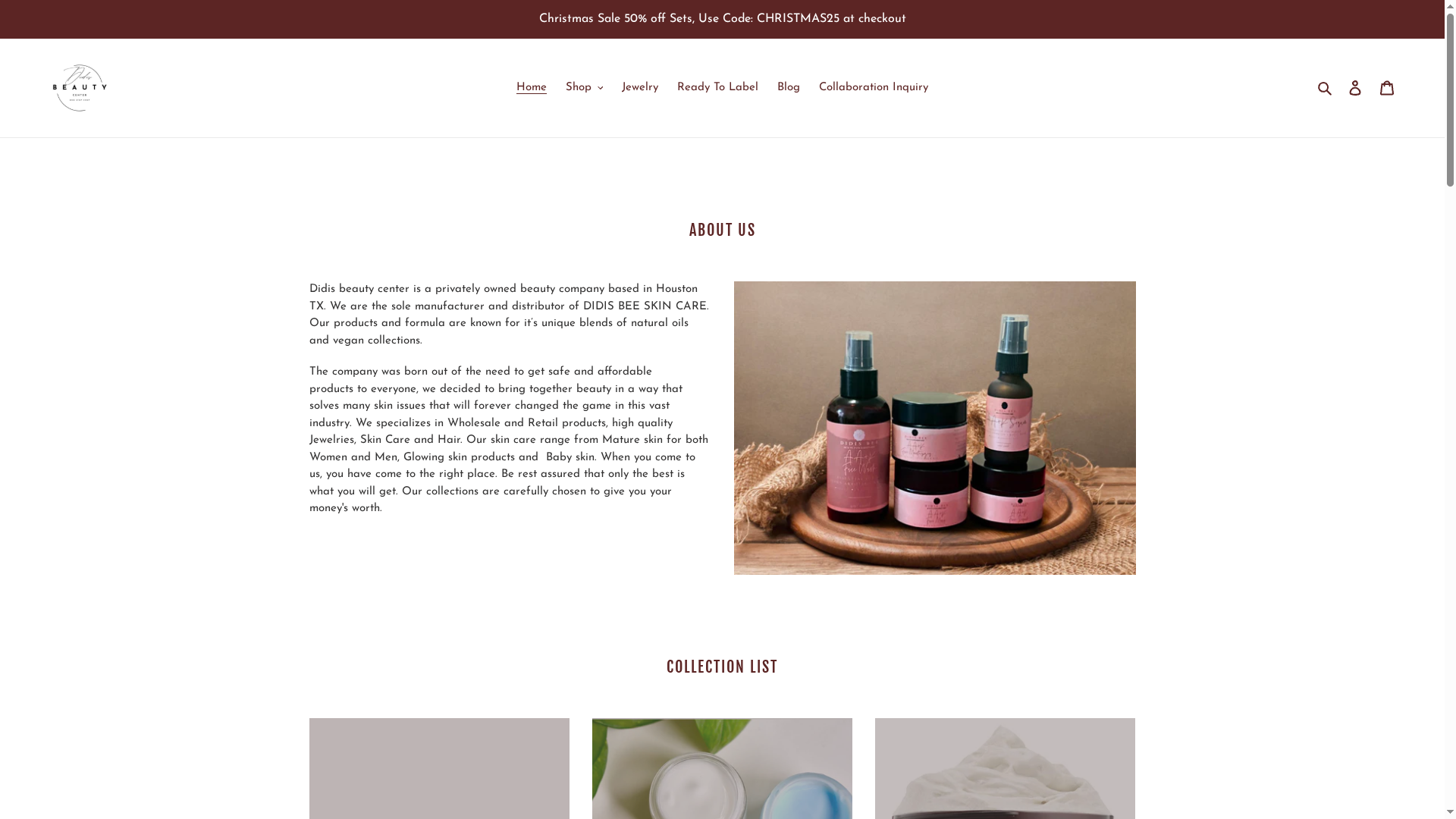
Whether you’re building a personal vegan beauty routine or launching your own ethical cosmetics line, custom private label options provide flexibility in ingredient selection, packaging choices, and sustainability practices. The platform’s commitment to transparency ensures you understand exactly what goes into every product, from raw material sourcing through final formulation. Visit Didis Beauty Center to explore their range of vegan solutions and discover how ethical beauty choices support both your skin health and broader values.
Frequently asked questions
What is the difference between vegan and cruelty-free beauty products?
Vegan products contain no animal-derived ingredients or byproducts, while cruelty-free means no animal testing occurred during development or manufacturing. A product can be vegan but tested on animals in certain markets, or cruelty-free yet contain ingredients like beeswax or lanolin. Check for both certifications if you want products meeting both standards.
Are vegan beauty products less effective than traditional cosmetics?
Scientific research demonstrates that plant-derived materials deliver comparable or superior results to animal-derived ingredients in wound healing, skin barrier support, and collagen stimulation. Modern formulation technologies and clinically tested plant actives ensure vegan products perform effectively without animal sourcing. Efficacy depends on ingredient quality and formulation expertise rather than vegan status alone.
How can I verify if a product is truly vegan?
Look for third-party certifications from The Vegan Society or Certified Vegan, which require documented supply chain verification and regular audits. Cross-reference the ingredient list for hidden animal derivatives like carmine, lanolin, beeswax, or collagen. Contact brands directly about ingredient sourcing when certifications are absent, requesting supplier documentation for transparency.
Do vegan certifications guarantee cruelty-free status?
No, vegan certifications verify ingredient origins but don’t necessarily confirm no animal testing occurred. Leaping Bunny or PETA’s Beauty Without Bunnies certifications specifically address cruelty-free status through supplier monitoring and audit systems. Products need both types of certification to guarantee they contain no animal ingredients and involved no animal testing throughout development and manufacturing.
Can vegan beauty products cause allergic reactions?
Yes, plant-based ingredients can trigger allergies or sensitivities just like synthetic or animal-derived components. Common allergens include essential oils, botanical extracts, and nut-derived ingredients. Always patch test new products on your inner forearm for 24 hours before facial application, and introduce one product at a time to identify any problematic ingredients if reactions develop.
Discourse (0)