


Switching to a vegan skincare routine can feel overwhelming when you’re unsure which products work or how to layer them correctly. Many eco-conscious consumers struggle to find clear guidance that combines safety, effectiveness, and sustainability. This guide delivers a proven, step-by-step process using natural, cruelty-free products to help you achieve visibly healthier skin within weeks while supporting your ethical values.
Table of Contents
- Prerequisites And What You Need Before Starting
- Step 1: Cleansing With Gentle Vegan Cleanser
- Step 2: Toning And Exfoliation
- Step 3: Moisturizing With Plant-Based Oils
- Step 4: Daily Vegan Sunscreen Application
- Common Mistakes And Troubleshooting
- Expected Outcomes And Measurable Results
- Discover Our Curated Vegan Skincare Solutions
- Frequently Asked Questions
Key takeaways
| Point | Details |
|---|---|
| Essential routine steps | Cleansing, toning, moisturizing, and sun protection form the foundation of effective vegan skincare. |
| Product selection matters | Use certified cruelty-free and vegan products with gentle natural ingredients to ensure safety and ethics. |
| Timeline for results | Visible improvements in brightness, hydration, and texture typically appear after 4 to 6 weeks of consistent use. |
| Avoid common pitfalls | Over-exfoliation and abrupt product switching can damage your skin barrier and delay progress. |
| Values alignment | Vegan skincare supports both your skin health and commitment to sustainable, cruelty-free beauty. |
Prerequisites and what you need before starting
Before you begin your vegan skincare journey, gather the right products and knowledge to set yourself up for success. This preparation phase prevents costly mistakes and ensures you select items that work harmoniously with your skin.
Start by choosing certified cruelty-free and vegan-labeled products. Look for logos from organizations like Leaping Bunny or PETA to verify that no animal testing occurred and no animal-derived ingredients are present. These certifications provide peace of mind that your purchases align with your ethical standards.
Invest in sustainable tools that reduce environmental impact. Using a microfiber cloth reduces waste by up to 50% compared to disposable cotton pads, supporting eco-conscious packaging goals. Reusable silicone applicators and bamboo brushes also minimize waste while delivering effective results.
Know your skin type before selecting products. Oily skin benefits from lightweight gel cleansers and oil-free moisturizers, while dry skin thrives with cream-based formulas containing richer plant oils. Combination skin needs balanced products that hydrate dry areas without clogging oily zones. Sensitive skin requires fragrance-free, minimal-ingredient formulas to avoid irritation.
Gradually transition your existing routine to vegan products rather than switching everything overnight. Replace one product every two weeks to allow your skin time to adjust. This measured approach prevents overwhelming your skin barrier and reduces the risk of breakouts or irritation. Learn more about making this transition through eco-friendly beauty tips natural skincare guidance.
Pro Tip: Keep a skincare journal to track which products you introduce and any skin reactions. Note changes in texture, hydration, and breakouts to identify what works best for your unique skin needs.
| Essential Item | Purpose | Key Features |
|---|---|---|
| Vegan cleanser | Removes dirt and makeup | Sulfate-free, aloe vera or jojoba oil base |
| Natural toner | Balances pH and preps skin | Fruit acids, alcohol-free |
| Plant-based moisturizer | Hydrates and repairs barrier | Argan or rosehip oil formulation |
| Vegan sunscreen | Protects from UV damage | SPF 30+, reef-safe, mineral-based |
| Microfiber cloth | Gentle cleansing tool | Reusable, reduces waste by 50% |
Step 1: cleansing with gentle vegan cleanser
Cleansing forms the foundation of any effective skincare routine. You need to wash your face twice daily to remove accumulated dirt, excess oil, and environmental pollutants that clog pores and dull your complexion.
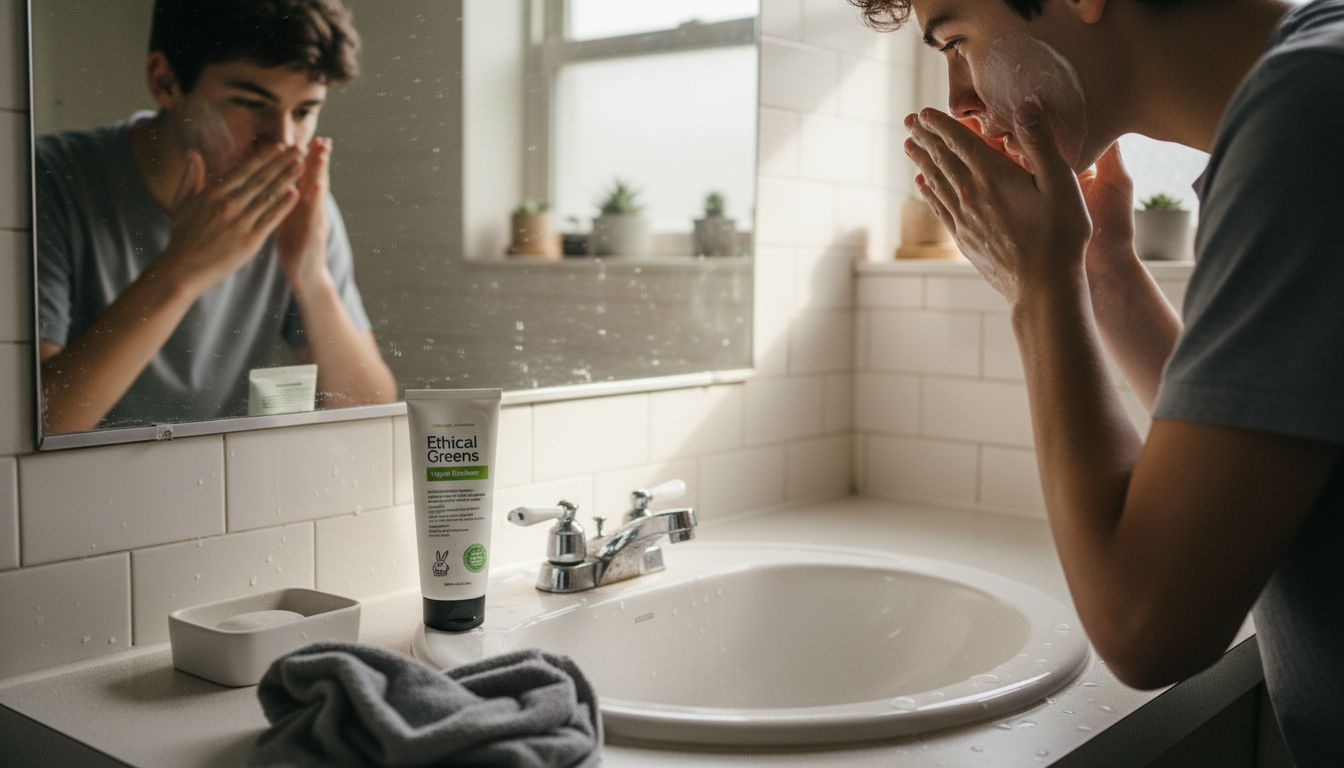
Choose a gentle, sulfate-free vegan cleanser containing natural ingredients like aloe vera or jojoba oil. These plant-based components clean thoroughly without stripping your skin’s natural moisture barrier. Harsh sulfates and synthetic detergents disrupt your skin’s pH balance and can trigger dryness, redness, or sensitivity.
Apply your cleanser to damp skin using gentle circular motions for 60 seconds. Focus on areas prone to congestion like your T-zone, but avoid aggressive scrubbing that can damage delicate facial tissue. Rinse thoroughly with lukewarm water, as hot water strips protective oils and leaves skin vulnerable.
Pat your face dry with a clean microfiber cloth rather than rubbing vigorously. This gentle approach preserves your skin barrier while removing excess water. Following this method consistently, you can expect visible improvements in hydration and texture after 4 to 6 weeks of use.
Morning cleansing removes overnight oil production and prepares skin for daytime products. Evening cleansing eliminates makeup, sunscreen, and daily grime that accumulate on your skin surface. Skipping either session allows buildup that leads to clogged pores and breakouts.
Discover effective product layering techniques through the 4 week vegan skincare layering guide to maximize your cleansing results.
Pro Tip: Double cleanse in the evening if you wear makeup or heavy sunscreen. Use an oil-based cleanser first to dissolve products, followed by your regular water-based cleanser to remove remaining residue.
- Choose cleansers with pH levels between 4.5 and 6.5 to match your skin’s natural acidity
- Look for ingredients like chamomile or green tea that provide anti-inflammatory benefits
- Avoid products with synthetic fragrances, which can irritate sensitive skin
- Store your cleanser away from direct sunlight to preserve active botanical ingredients
Step 2: toning and exfoliation
Toning and exfoliation work together to refine your skin texture and enhance product absorption. These steps remove dead skin cells and balance your skin’s pH after cleansing, creating an optimal canvas for serums and moisturizers.
Select a vegan toner formulated with natural fruit acids like glycolic or lactic acid derived from sugarcane or fermented plants. These gentle chemical exfoliants dissolve the bonds between dead skin cells without the abrasive action of physical scrubs. They reveal brighter, smoother skin while minimizing the appearance of pores.
Limit exfoliation to twice per week maximum to protect your skin barrier. Over-exfoliating strips away protective oils and can cause redness, flaking, or increased sensitivity. Your skin needs time between sessions to regenerate and maintain its natural defense system.
Always patch test new toners on a small area like your inner forearm before applying to your entire face. Wait 24 hours to check for adverse reactions. This simple precaution prevents widespread irritation and helps you identify ingredients your skin doesn’t tolerate. Explore the science behind these practices at why choose vegan skincare.
Pro Tip: Apply toner with clean hands or a reusable cotton pad, gently pressing it into your skin rather than wiping. This technique maximizes absorption and minimizes product waste.
How to incorporate toning safely:
- Start with once-weekly exfoliating toner applications for the first two weeks
- Gradually increase to twice weekly if your skin responds well without irritation
- Use a hydrating, alcohol-free toner on non-exfoliating days to maintain pH balance
- Apply toner immediately after cleansing while skin is still slightly damp
- Wait 30 seconds before applying your next product to allow proper absorption
- Choose toners with willow bark extract for natural salicylic acid benefits
- Avoid alcohol-based formulas that dry out and irritate your skin
- Look for added hyaluronic acid to boost hydration alongside exfoliation
- Stop using exfoliating toners if you experience persistent redness or stinging
Step 3: moisturizing with plant-based oils
Moisturizing locks in hydration and strengthens your skin barrier, making it essential for healthy, resilient skin. Plant-based oils deliver concentrated nourishment that synthetic alternatives cannot match.
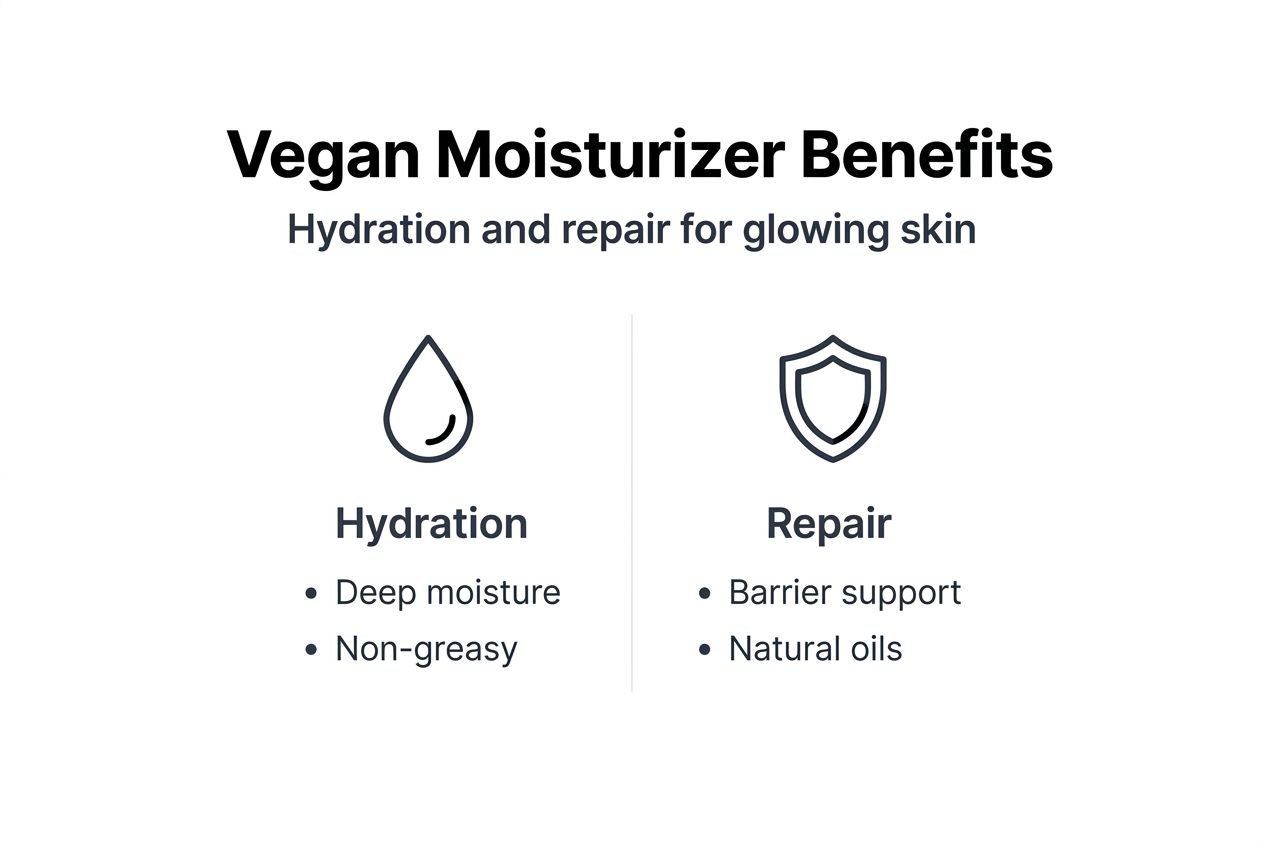
Choose moisturizers featuring argan or rosehip oils, which provide up to 25% more skin barrier repair compared to synthetic ingredients over eight weeks. These botanical oils contain essential fatty acids, vitamins, and antioxidants that penetrate deeply to restore your skin’s protective layer and combat environmental damage.
Apply your moisturizer on damp skin immediately after toning. This timing traps water molecules beneath the oil layer, maximizing hydration and creating a supple, plump appearance. Dry skin cannot absorb moisturizer as effectively, reducing the benefits you receive from quality ingredients.
Use gentle upward strokes when applying moisturizer to promote circulation and avoid pulling delicate facial skin downward. Pay extra attention to dry areas like your cheeks and around your eyes, where skin tends to lose moisture fastest. Consistent application supports long-term skin health while honoring your commitment to ethical beauty through vegan skincare eco conscious beauty practices.
Plant oils particularly benefit dry or mature skin types that need intensive repair. They provide deep nourishment without clogging pores when properly formulated. Even oily skin can benefit from lightweight plant oils like jojoba, which closely mimics your skin’s natural sebum.
Pro Tip: Mix one drop of facial oil with your regular moisturizer during winter months or in dry climates for an extra hydration boost without changing your entire routine.
| Plant Oil | Primary Benefits | Best For |
|---|---|---|
| Argan oil | Vitamin E-rich, repairs barrier damage | Dry, mature skin |
| Rosehip oil | High in fatty acids, reduces scarring | All skin types, especially aging |
| Jojoba oil | Mimics natural sebum, balances oil | Combination, oily skin |
| Squalane | Lightweight, intense hydration | Sensitive, dehydrated skin |
- Look for cold-pressed oils that retain maximum nutrient content
- Check that moisturizers are packaged in dark glass bottles to protect oil stability
- Apply more product to dry areas and less to naturally oily zones
- Allow moisturizer to absorb for two minutes before applying sunscreen
Step 4: daily vegan sunscreen application
Sun protection completes your vegan skincare routine and serves as your most powerful anti-aging tool. UV radiation causes up to 80% of visible facial aging, making daily sunscreen application non-negotiable for healthy skin.
Apply vegan sunscreen with SPF 30 or higher every single morning as your final skincare step. Mineral-based formulas using zinc oxide or titanium dioxide provide broad-spectrum protection while remaining reef-safe and environmentally friendly. These physical blockers sit on your skin surface and reflect harmful UV rays away from your face.
Sunscreen blocks over 90% of harmful UV radiation when applied correctly. Use approximately one-quarter teaspoon for your face and neck, which equals roughly the size of a nickel. Most people apply far too little product, dramatically reducing their actual protection level below the labeled SPF.
Reapply every two hours when spending extended time outdoors, and immediately after swimming or sweating. Indoor workers still need daily application, as UV rays penetrate windows and cause cumulative damage over time. Consistent use prevents premature wrinkles, dark spots, and skin texture irregularities.
Choose vegan-certified, reef-safe sunscreens to protect both your skin and ocean ecosystems. Chemical filters like oxybenzone harm coral reefs and marine life, making mineral alternatives the ethical choice. Review ingredient standards at why choose vegan skincare to make informed decisions.
- Select tinted mineral sunscreens to avoid the white cast some formulas leave
- Look for added antioxidants like vitamin C that boost UV protection
- Keep a travel-size sunscreen in your bag for midday reapplication
- Apply sunscreen before getting dressed to ensure complete neck and chest coverage
- Wait five minutes after sunscreen application before applying makeup
Common mistakes and troubleshooting
Even with the best intentions, you can sabotage your vegan skincare results by making preventable mistakes. Understanding these pitfalls helps you avoid setbacks and achieve your skin goals faster.
Avoid switching all your products at once when transitioning to vegan skincare. Abrupt changes can increase skin flare-ups by up to 40% as your skin struggles to adjust to multiple new ingredients simultaneously. Replace one product every two weeks to identify what works and what causes reactions.
Limit exfoliation to twice weekly maximum, regardless of how quickly you want results. Aggressive or frequent exfoliation damages your protective skin barrier, leading to increased sensitivity, redness, and moisture loss. Your skin needs recovery time between exfoliating sessions to regenerate properly.
Steer clear of synthetic fragrances and parabens, even in products labeled vegan. These additives can trigger irritation, especially in sensitive skin types. Many vegan products still contain these problematic ingredients, so always read labels carefully before purchasing.
Always perform patch tests before fully incorporating new products into your routine. Apply a small amount to your inner forearm or behind your ear and wait 24 hours. This precaution prevents full-face reactions and helps identify ingredient sensitivities early. Master proper product introduction through the 4 week vegan skincare layering guide.
- Don’t expect overnight results from natural ingredients; give products at least 4 weeks
- Avoid mixing too many active ingredients like acids and retinol alternatives in one routine
- Stop using a product immediately if you experience burning, severe redness, or hives
- Don’t skip moisturizer thinking it will reduce oiliness; dehydration triggers more oil production
- Never use body or hair products on your face; facial skin requires gentler formulations
Expected outcomes and measurable results
Understanding realistic timelines and outcomes helps you stay motivated throughout your vegan skincare journey. Natural ingredients work effectively but require patience and consistency.
Visible brightness and hydration improvements typically appear within 4 to 6 weeks of following your new routine. You’ll notice your skin feels softer, looks more radiant, and maintains moisture better throughout the day. Fine lines may appear less prominent as hydration levels improve.
Routine affordability ranges between $30 and $50 per month for quality vegan products. This investment covers a basic four-step routine with products lasting approximately three months each. Private label options and bulk purchasing can reduce costs further while maintaining ingredient quality.
Long-term benefits include enhanced skin barrier function, improved texture, and reduced sensitivity. Your skin becomes more resilient against environmental stressors and shows fewer signs of premature aging. Many users report decreased breakouts and more balanced oil production after three months.
Following certified vegan and cruelty-free routines delivers ethical satisfaction alongside physical results. You can feel confident that your beauty choices align with your values while achieving healthy, glowing skin. Track your progress through the 4 week vegan skincare layering guide framework.
| Timeline | Expected Results | Visible Changes |
|---|---|---|
| Week 1-2 | Adjustment period | Skin may purge as it adapts to new products |
| Week 4-6 | Initial improvements | Increased hydration, brightness, smoother texture |
| Week 8-12 | Significant changes | Reduced fine lines, balanced oil, fewer breakouts |
| Month 6+ | Long-term benefits | Strengthened barrier, improved resilience, sustained glow |
Discover our curated vegan skincare solutions
Ready to transform your skincare routine with products designed specifically for eco-conscious beauty enthusiasts? Didis Beauty Center offers carefully formulated vegan collections that simplify your journey to healthier skin.
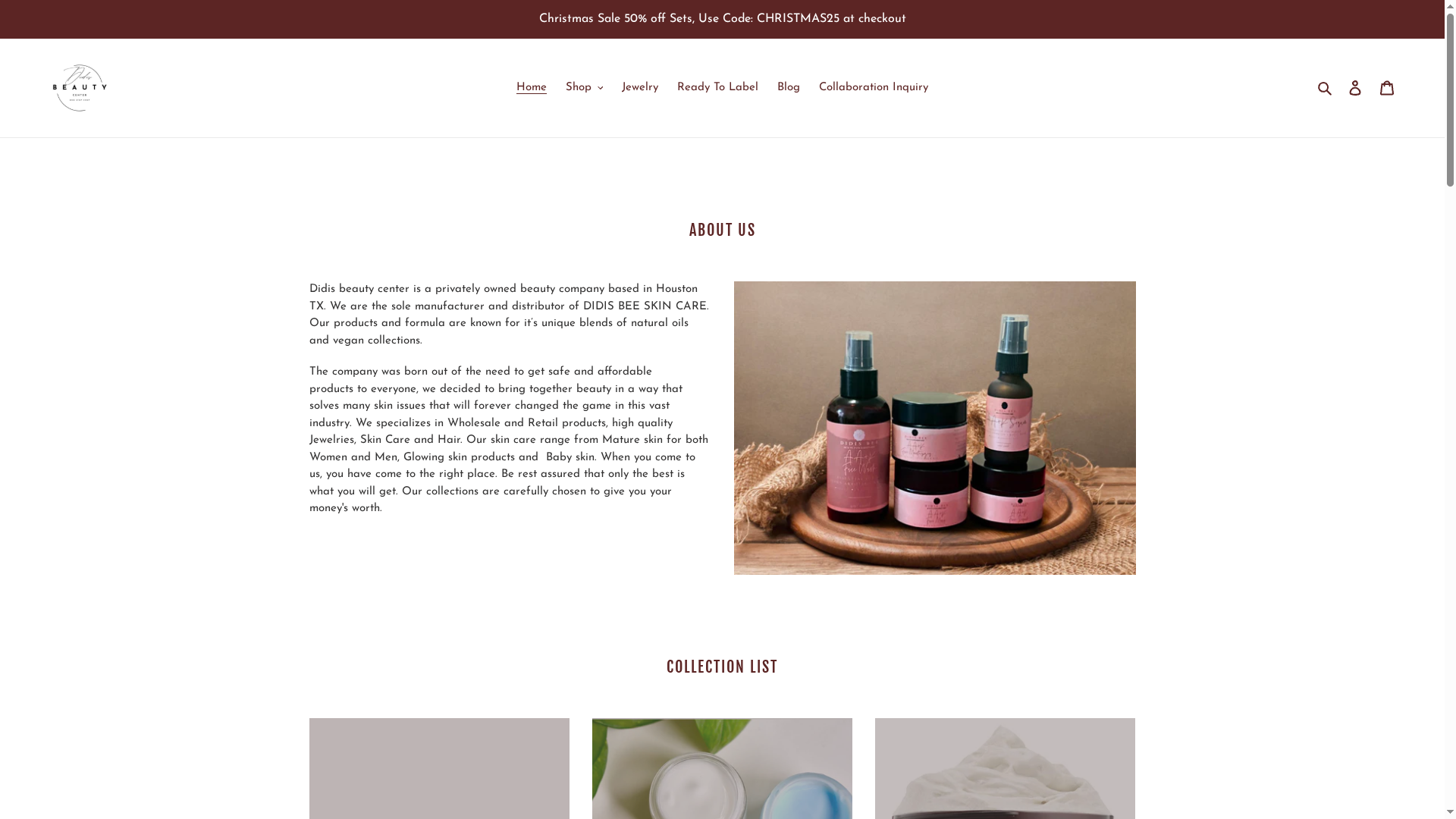
Our daily essential bundle combines a gentle cleanser, balancing toner, and hydrating moisturizer in one convenient package. Each product features certified cruelty-free, plant-based ingredients that work synergistically to deliver visible results within weeks.
The daily routine bundle takes your regimen further with added treatment products for targeted concerns. Pair these essentials with our detox nightwear face cream for intensive overnight repair using pure botanical oils.
Every product meets rigorous vegan and sustainability standards, allowing you to care for your skin while supporting ethical beauty practices. Start your routine today with formulations trusted by eco-conscious consumers nationwide.
Frequently asked questions
What qualifies a skincare product as vegan and cruelty-free?
Vegan products contain zero animal-derived ingredients like beeswax, lanolin, collagen, or carmine. Cruelty-free means no animal testing occurred during development or production. Look for certifications from Leaping Bunny, PETA, or similar organizations to verify both claims, as terms can be misused in marketing.
How long should I wait to see results from a vegan skincare routine?
Most people notice initial improvements in hydration and brightness within 4 to 6 weeks of consistent use. Significant changes in texture, fine lines, and skin barrier strength typically appear after 8 to 12 weeks. Natural ingredients work gradually but deliver lasting results when used properly.
Can I transition my existing routine to vegan products without skin issues?
Yes, but introduce products gradually rather than switching everything at once. Replace one item every two weeks to minimize adjustment reactions. This measured approach prevents overwhelming your skin and helps you identify any ingredients that cause sensitivity. Learn more at why choose vegan skincare.
Are natural vegan ingredients always safe for sensitive skin?
Not necessarily. Natural doesn’t automatically mean gentle or non-irritating. Essential oils, certain fruit acids, and botanical extracts can trigger reactions in sensitive skin types. Always patch test new products and choose fragrance-free formulas with minimal ingredients to reduce irritation risk.
What should I look for in a vegan daily sunscreen?
Choose mineral-based formulas with zinc oxide or titanium dioxide offering SPF 30 or higher for broad-spectrum protection. Ensure the product is labeled vegan-certified and reef-safe to protect marine ecosystems. Look for water-resistant options if you swim or sweat heavily, and select tinted versions to avoid white cast on darker skin tones.
Discourse (0)