


TL;DR:
- Effective vegan skincare requires certified cruelty-free, research-backed active ingredients, and eco-conscious packaging.
- A simple, consistent routine with targeted plant-based actives shows results in 4 to 6 weeks.
- Prioritize minimalism, patience, and curiosity over trendy complexity for long-term skin health.
Building a truly effective vegan skincare routine at home feels straightforward until you’re standing in an aisle full of products screaming “natural” and “clean” with no certification to back it up. Greenwashing is real, ingredient lists are confusing, and the gap between marketing claims and actual results is wide. The good news: consistent vegan routines show results in as little as 4 to 6 weeks when you know what to look for. This guide cuts through the noise with evidence-backed criteria, a step-by-step routine, and ingredient knowledge that helps you make smarter, cruelty-free choices every single day.
Table of Contents
- Key criteria for effective home skincare routines
- Step-by-step vegan home skincare routine
- Top natural, vegan skincare ingredients and their benefits
- Personalizing your routine for skin type, concerns, and sustainability
- Why simplicity, consistency, and curiosity beat hype
- Discover your next step with Didis Beauty Center
- Frequently asked questions
Key Takeaways
| Point | Details |
|---|---|
| Prioritize routine essentials | Cleanser, antioxidant serum, moisturizer, and SPF form the foundation of an effective home skincare routine. |
| Choose science-backed vegan ingredients | Bakuchiol, plant-based hyaluronic acid, and squalane hydrate and renew without animal-derived ingredients. |
| Personalize for your skin | Adapt routines for your type and introduce new products gradually for best results. |
| Stay consistent | Stick with your routine for at least 4-6 weeks to see visible improvements. |
| Support ethical and eco values | Look for certified cruelty-free brands and eco-friendly packaging to align skincare with your values. |
Key criteria for effective home skincare routines
Now that you know the unique challenges, let’s clarify what to look for in every product or routine. Not all “vegan” labels mean the same thing, and not all natural ingredients are gentle or effective. Knowing what actually matters saves you money, reduces waste, and protects your skin.
Here are the core criteria to evaluate before adding anything to your routine:
- Certified vegan and cruelty-free status: Look for recognized logos like Leaping Bunny or PETA’s Beauty Without Bunnies. Learning how to identify cruelty-free brands is one of the most important skills you can develop as a conscious consumer.
- Clean, active ingredients: Prioritize plant-based actives with published research behind them. Avoid unnecessary fillers, synthetic fragrances, and sulfates that strip the skin barrier.
- Minimal and eco-conscious packaging: Glass, recycled plastic, and refillable formats reduce your environmental footprint without compromising product quality.
- Non-toxic preservatives: Phenoxyethanol and sodium benzoate are generally accepted as safe alternatives to parabens. Avoid formaldehyde-releasing preservatives entirely.
- Real, measurable efficacy: A product should do what it claims. Check for clinical data or peer-reviewed ingredient research, not just brand testimonials.
One thing worth understanding is that eco-friendly labeling is not just a feel-good choice. Sustainable formulations often use fewer harsh chemicals, which means less irritation for your skin and less chemical runoff in water systems. Following eco-friendly skincare tips helps you align your routine with both your values and your skin’s health.
“Barrier preservation via pH-balanced vegan surfactants provides true benefits beyond marketing.”
This matters because your skin barrier is your first line of defense. Disrupt it with harsh cleansers and you create a cycle of sensitivity, breakouts, and over-moisturizing.
Pro Tip: Use multi-purpose serums or balms that address more than one concern at once. Consistency over complexity brings the best results, and multi-use products cut waste significantly. The essential product guide from Cleveland Clinic confirms that most people need far fewer products than they think.
Step-by-step vegan home skincare routine
With key criteria in mind, here’s how to build a results-driven, vegan skincare routine at home. A standard vegan routine uses plant-based cleansers, hydrating toners, antioxidant serums, and mineral SPF as its foundation. You can adapt this framework for your skin type without overcomplicating it.
Morning routine:
- Gentle vegan cleanser: Start with a low-pH, sulfate-free cleanser. It removes overnight buildup without stripping natural oils.
- Alcohol-free toner: Hydrating toners with rose water, aloe vera, or green tea prep your skin to absorb what comes next.
- Antioxidant serum: Vitamin C (from amla or kakadu plum) or niacinamide protects against free radical damage and brightens over time.
- Moisturizer: A lightweight formula with squalane or plant-based hyaluronic acid locks in hydration without clogging pores.
- Mineral SPF: This is non-negotiable. Zinc oxide-based sunscreens are vegan-friendly and reef-safe.
Evening routine:
- Double cleanse (if needed): An oil-based cleanser removes makeup and SPF, followed by your regular cleanser.
- Treatment serum: Bakuchiol (a plant-based retinol alternative), peptide serums, or niacinamide work overnight when skin repair peaks.
- Moisturizer or overnight mask: Richer formulas with shea butter or ceramide alternatives seal in active ingredients.
- Weekly exfoliant: A gentle AHA or enzyme-based exfoliant (once or twice a week) removes dead cells without micro-tears.
For a detailed breakdown of each step, the vegan home routine steps guide walks you through variations for sensitive, dry, and oily skin. You can also explore natural routine essentials for product-specific recommendations.
Pro Tip: Patch test every new product on your inner arm for 24 to 48 hours before applying it to your face. Add one new product at a time and wait two weeks before introducing another. This is the single most reliable way to identify what your skin loves and what it doesn’t. The vegan skincare guide from Merak Vibes reinforces this as a best practice for all skin types.
Top natural, vegan skincare ingredients and their benefits
Knowing your routine steps, let’s decode which natural vegan actives actually deliver results. The plant-based world has genuinely impressive options that rival traditional synthetics in clinical performance.

| Plant active | Benefit | Traditional equivalent |
|---|---|---|
| Bakuchiol | Anti-aging, wrinkle reduction | Retinol |
| Amla vitamin C | Brightening, antioxidant | Synthetic ascorbic acid |
| Squalane (plant-based) | Deep hydration, barrier support | Mineral oil |
| Shea/sal butter | Moisture sealing, softening | Petrolatum |
| Plant-based hyaluronic acid | Plumping, water retention | Synthetic HA |
Here are the standout ingredients worth seeking out:
- Bakuchiol: Equals retinol for wrinkle reduction without the irritation risk, according to the British Journal of Dermatology. It’s safe for sensitive skin and pregnancy.
- Opuntia (prickly pear) extract: Research in Scientific Reports shows it reduces sebum by 21% and shrinks pore size by nearly 10%. That’s a meaningful result for oily and acne-prone skin.
- Squalane: Derived from olives or sugarcane, it mimics your skin’s natural lipids without clogging pores.
- Amla vitamin C: More stable than synthetic ascorbic acid and gentler on reactive skin.
- Houttuynia cordata oil: Emerging research on this plant oil shows strong anti-inflammatory and antimicrobial properties, making it a promising active for acne-prone and sensitive skin.
Watch out for hidden non-vegan ingredients like lanolin (from wool), carmine (from insects), and collagen (typically animal-derived). Also avoid emulsifiers like polysorbates in high concentrations, which can disrupt the skin’s microbiome. Your sustainable ingredient guide can help you cross-reference labels confidently.
Delivery systems matter too. An ingredient is only as effective as the formula that carries it. Look for encapsulated actives, liposomal serums, or microbiome-friendly pH levels (between 4.5 and 5.5) to maximize absorption and minimize irritation.
Personalizing your routine for skin type, concerns, and sustainability
Not all routines fit everyone. Here’s how to customize your approach for best results and minimal impact.
| Skin type | Recommended actives | Avoid |
|---|---|---|
| Sensitive | Bakuchiol, aloe, oat extract | Fragrance, high-strength AHAs |
| Oily/acne-prone | Opuntia extract, niacinamide, salicylic acid (willow bark) | Heavy butters, pore-clogging oils |
| Dry/mature | Squalane, shea butter, peptides, NAD+ precursors | Alcohol-based toners, over-exfoliation |
| Eco-conscious | Refillable formats, solid bars, concentrated formulas | Single-use packaging, synthetic microbeads |
A personalized approach based on Delphi consensus recommendations suggests patch testing for sensitive skin, swapping actives for oily or acne-prone types, and incorporating NAD+ precursors for mature skin concerns. These aren’t trends. They’re evidence-backed adjustments.
Some practical tips to keep your routine sustainable and effective:
- Avoid over-exfoliating. Once or twice a week is enough for most skin types. More frequent use damages the barrier and causes more problems than it solves.
- Don’t layer too many actives at once. Vitamin C and niacinamide, for example, work better in separate routines (morning and evening) for many people.
- Make affordable eco swaps gradually. Switching to a solid cleanser bar or a refillable moisturizer doesn’t have to happen all at once.
- Give your routine time. Four to six weeks of consistency is the minimum needed to evaluate whether a product is actually working.
If you’re eco-conscious, prioritize concentrated formulas that last longer, brands that use post-consumer recycled packaging, and products with biodegradable ingredients. Every swap adds up.
Why simplicity, consistency, and curiosity beat hype
Before you take these tips further, here’s a hard-won lesson that may surprise you: the skincare industry profits from complexity. New ingredients, new steps, new “must-have” launches every season. But your skin doesn’t care about novelty. It responds to repetition, gentleness, and the right actives applied consistently over time.
Most people who struggle with their skin are not using the wrong products. They’re using too many, switching too fast, or chasing trends instead of results. We’ve seen this pattern repeatedly. A five-step routine practiced daily for six weeks beats a ten-step routine abandoned after two.
The uncomfortable truth is that most skincare marketing is built around the idea that your current routine is not enough. That’s rarely true. What’s usually missing is patience and a willingness to track what’s actually changing.
Pro Tip: Keep a simple skin journal. Note what you applied, when, and how your skin looked and felt. After four weeks, patterns emerge that no ingredient list can tell you. Let your skin guide adjustments, not the latest launch.
Curiosity is your best tool here. Question labels, look up certifications, and read ingredient lists. The realistic routine steps that work long-term are always the ones rooted in what your skin actually needs, not what a trend cycle insists you try next.
Discover your next step with Didis Beauty Center
You now have the framework to build a vegan, eco-friendly skincare routine that actually works. The next step is finding products that match your values and your skin’s needs without the guesswork.
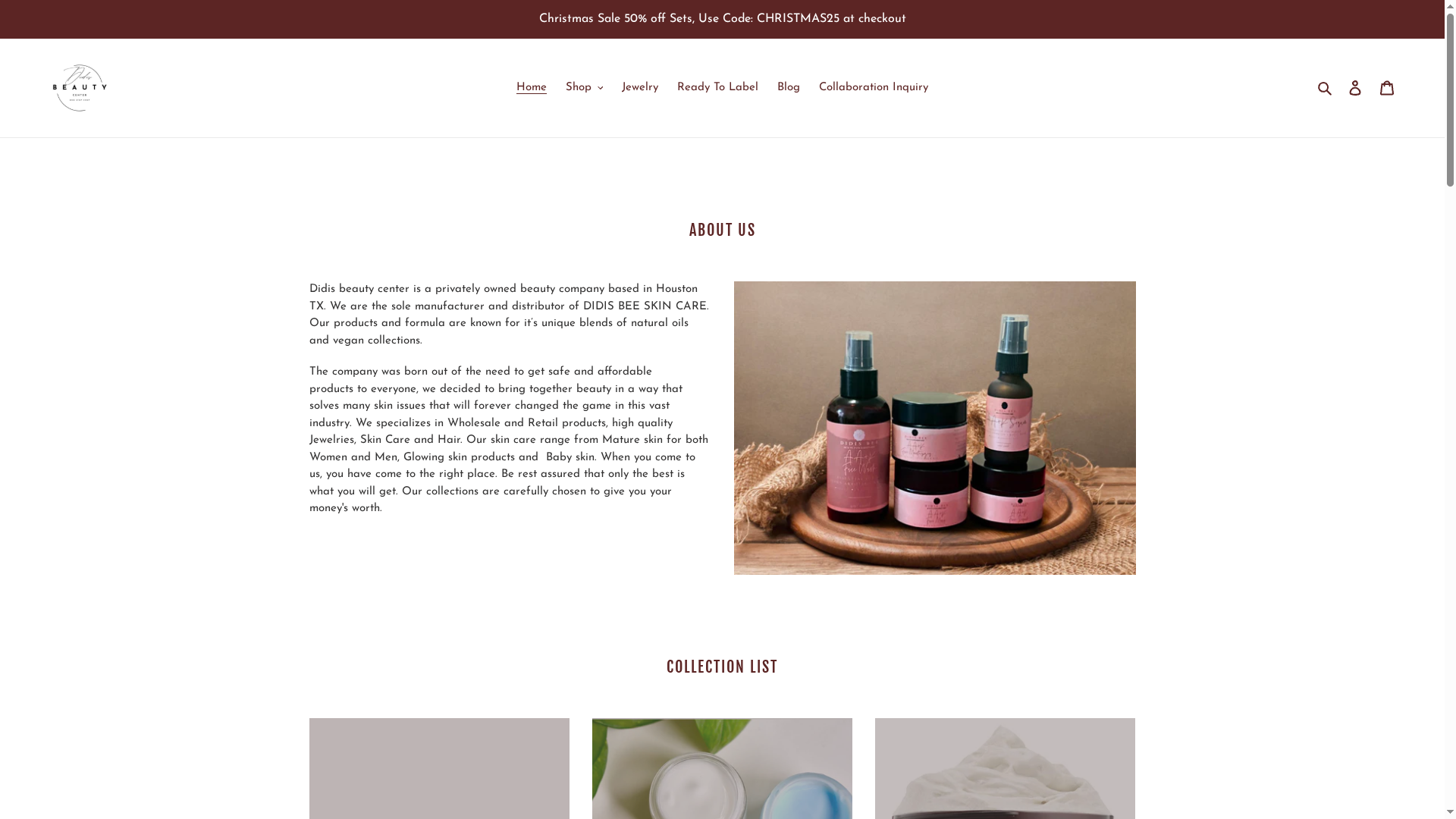
At Didis Beauty Center, we curate natural, vegan formulations designed for real results at home. Whether you’re refining your personal routine or exploring our private label collection for your own brand, every product is built around clean actives and cruelty-free standards. Want to shop with confidence? Start by learning how to learn about cruelty-free brands so every purchase aligns with what you believe in. Your skin deserves better than guesswork.
Frequently asked questions
How long does it take for a vegan skincare routine to show results?
Most users see noticeable improvements within 4 to 6 weeks of a consistent vegan skincare routine. Sticking with the same products daily is what drives visible change.
Is bakuchiol as effective as retinol for anti-aging?
Bakuchiol matches retinol for wrinkle reduction according to the British Journal of Dermatology, but causes significantly less irritation. It’s a strong choice for sensitive or reactive skin.
How can I tell if my skincare products are truly cruelty-free or vegan?
Look for Leaping Bunny certification and scan ingredient lists for animal-derived ingredients like lanolin, carmine, or collagen. Unverified “natural” claims without certification are a red flag.
What should I do if I have sensitive or acne-prone skin?
Introduce one product at a time, always patch test first, and consider bakuchiol or willow bark extract instead of conventional retinol or synthetic salicylic acid. Gentle, consistent routines outperform aggressive ones.
Are DIY vegan skincare recipes safe?
DIY can work when you patch test carefully and use well-researched formulas, but certified products undergo stability and safety testing that home recipes simply cannot replicate. For daily use, certified products offer more reliable results.
Discourse (0)