


You’ve invested in beautiful natural vegan skincare products, but your skin isn’t glowing the way you hoped. The problem often isn’t the products themselves but the order you apply them. Layering incorrectly blocks absorption, wastes active ingredients, and can even irritate your skin. This guide walks you through the exact step by step skincare layering sequence to unlock your products’ full potential and see visible improvements in just four weeks.
Table of Contents
- Prerequisites And Preparation
- Step By Step Skincare Layering Guide
- Common Mistakes And Troubleshooting
- Expected Results And Outcomes
- Alternative Approaches And Tradeoffs
- Explore Eco-Friendly Beauty Tips At Didis Beauty Center
- Frequently Asked Questions About Natural Vegan Skincare Layering
Key takeaways
| Point | Details |
|---|---|
| Layer from thin to thick | Start with watery products and finish with creams to maximize absorption. |
| Know your skin type first | Identifying skin type improves routine success rates by 35%, helping you choose compatible products. |
| Wait between layers | Allow 30 to 60 seconds for each product to absorb before applying the next. |
| Patch test new products | Test on your inner arm for 72 hours to avoid unexpected reactions. |
| Expect results around week four | Consistent layering shows visible hydration and brightness gains within four weeks. |
Prerequisites and preparation
Before you start layering, you need to understand your skin and select the right products. Skipping this step is like building a house without a blueprint. You’ll waste time and money on products that don’t work together.
First, identify your skin type. Are you oily, dry, combination, or sensitive? Understanding this guides every product choice you make. Research shows that identifying skin type improves routine success rates by 35%, so it’s worth spending a few minutes on this assessment. Look at your T-zone (forehead, nose, chin) in the mirror two hours after cleansing. If it’s shiny, you’re likely oily. If it feels tight, you’re probably dry.
Next, choose gentle, botanical-based vegan cleansers for twice daily use. Morning and evening cleansing removes impurities, oil, and product buildup, creating a clean canvas for layering. Look for ingredients like chamomile, aloe vera, or green tea that cleanse without stripping natural oils. The benefits of choosing vegan skincare extend beyond ethics to gentler formulations that respect your skin barrier.
Gather your prep tools:
- Clean, soft towels for patting (not rubbing) your face dry
- A small notebook to track product reactions and results
- Patch test supplies (cotton swabs, bandages)
- A mirror with good lighting
- Timer or phone to track wait times between layers
Select products that complement your specific skin condition. If you have sensitive skin, avoid high concentrations of actives like acids or retinol initially. Dry skin needs rich, hydrating ingredients like hyaluronic acid and plant oils. Oily skin benefits from lightweight, water-based formulas with niacinamide or salicylic acid.
Understand ingredient interactions before you layer. Some combinations boost effectiveness, while others cause irritation. For example, vitamin C and niacinamide can work together despite old myths, but retinol and alpha hydroxy acids (AHAs) together may be too harsh for beginners. Always patch test new products on your inner forearm for 72 hours before applying to your face.
Pro Tip: Create a simple spreadsheet listing each product’s key active ingredients. This makes it easy to spot potential conflicts when adding new items to your routine.
Step by step skincare layering guide
Now that you’ve prepped, let’s walk through the exact layering sequence. The golden rule is simple: applying products from thinnest to thickest consistency maximizes absorption and efficacy. Think of it like layering clothes. You wouldn’t put a raincoat on before your shirt.
Follow this precise order:
-
Cleanse thoroughly with your gentle vegan cleanser. Use lukewarm water, massage for 30 to 60 seconds, and rinse completely. Pat your face dry with a clean towel, leaving skin slightly damp.
-
Apply toner immediately while skin is still damp. Pour a small amount onto your palms or a reusable cotton pad and press gently into skin. Toner balances your skin’s pH after cleansing and preps it to absorb the products that follow. Wait 30 seconds for full absorption.
-
Use targeted serums next for specific concerns. These concentrated formulas contain active ingredients like vitamin C for brightness, hyaluronic acid for hydration, or niacinamide for pore refinement. Apply three to five drops, warm between your palms, and press into skin. Allow 60 seconds for absorption.
-
Moisturize to lock everything in. Choose a cream or lotion appropriate for your skin type. Apply a nickel-sized amount in gentle upward motions. Moisturizer seals in the serums and reinforces your skin barrier. Wait another 60 seconds.
-
Apply face oils last at night if your skin needs extra nourishment. Use two to three drops, warm between palms, and press gently over your moisturizer. Oils create a protective layer that prevents moisture loss overnight.
-
Finish with sunscreen every morning as your final step. Use at least a quarter teaspoon for your face and neck. Sunscreen must go last because it forms a UV-protective film that shouldn’t be disturbed. Reapply every two hours if you’re outdoors.
Your morning and evening routines will differ slightly:
| Step | Morning Routine | Evening Routine |
|---|---|---|
| 1 | Gentle cleanser | Gentle or oil-based cleanser (if wearing makeup) |
| 2 | Hydrating toner | Hydrating or exfoliating toner (2-3x weekly) |
| 3 | Vitamin C serum | Retinol or treatment serum |
| 4 | Hyaluronic acid serum | Hydrating serum |
| 5 | Lightweight moisturizer | Richer night cream |
| 6 | Broad spectrum SPF 30+ | Face oil (optional) |
Timing between steps matters more than you think. Rushing causes products to pill or mix on your skin’s surface rather than absorbing properly. Each layer needs 30 to 60 seconds to penetrate before you add the next. Set a timer on your phone if it helps you stick to this rhythm.
Pro Tip: If you’re short on time in the morning, consider mixing one drop of face oil into your moisturizer instead of layering them separately. This saves a step while still delivering hydration.
For visual learners, check out natural skincare routine examples that demonstrate proper layering with real product combinations. The effective natural layering guide offers additional techniques for advanced users.
Common mistakes and troubleshooting
Even with the best intentions, layering errors happen. Recognizing and fixing them quickly prevents skin damage and product waste.
Avoid these frequent pitfalls:
-
Applying heavy creams before lightweight serums. This blocks absorption completely. Research confirms that improper layering such as heavier creams before serums reduces absorption and can cause irritation. Always follow thin-to-thick order.
-
Over-exfoliating with natural acids. Just because AHAs and BHAs are plant-derived doesn’t mean you can use them daily. Limit exfoliating toners to two or three times weekly unless your product specifically states otherwise.
-
Mixing retinol with vitamin C in the same routine. While some advanced users do this successfully, beginners should separate them (vitamin C in morning, retinol at night) to avoid irritation.
-
Skipping sunscreen on cloudy days. UV rays penetrate clouds and cause cumulative skin damage. Never skip this step, even if you’re working from home.
-
Layering too many actives at once. More isn’t better. Start with one or two targeted serums and add more only after your skin adjusts over several weeks.
-
Ignoring patch tests for natural products. Natural doesn’t always mean safe for your individual skin. Essential oils, botanical extracts, and plant actives can trigger allergic reactions. Always patch test for at least 72 hours on your inner arm before facial application.
-
Rushing between layers. Impatience is the enemy of good layering. Each product needs time to absorb, typically 30 to 60 seconds.
If you experience unexpected reactions, troubleshoot systematically. Remove the most recently added product from your routine and wait 48 hours to see if symptoms improve. Keep a skincare journal noting which products you used and any reactions. This creates a clear pattern over time.
“The biggest mistake I see is people introducing multiple new products simultaneously. When irritation occurs, they can’t identify the culprit. Add one new product every two weeks for best results.” — Skincare formulation expert
Pro Tip: If your skin feels sticky or products are pilling (bunching up on your skin), you’re using too much product or not waiting long enough between layers. Reduce the amount by half and extend your wait time to 90 seconds.
Understanding common natural skincare mistakes helps you avoid setbacks. The article on natural skincare benefits and pitfalls explains why even high-quality vegan products can cause issues when used incorrectly.
Expected results and outcomes
Patience pays off with natural vegan skincare. Unlike harsh treatments that show dramatic (but often temporary) results, botanical formulations work gradually to support your skin’s natural processes.

Research indicates that visible improvements in skin hydration and brightness generally appear within 4 weeks of consistent natural vegan skincare layering. This timeline assumes you’re layering correctly twice daily without skipping steps. Your skin needs this consistency to adjust and respond.
Here’s what you can realistically expect:
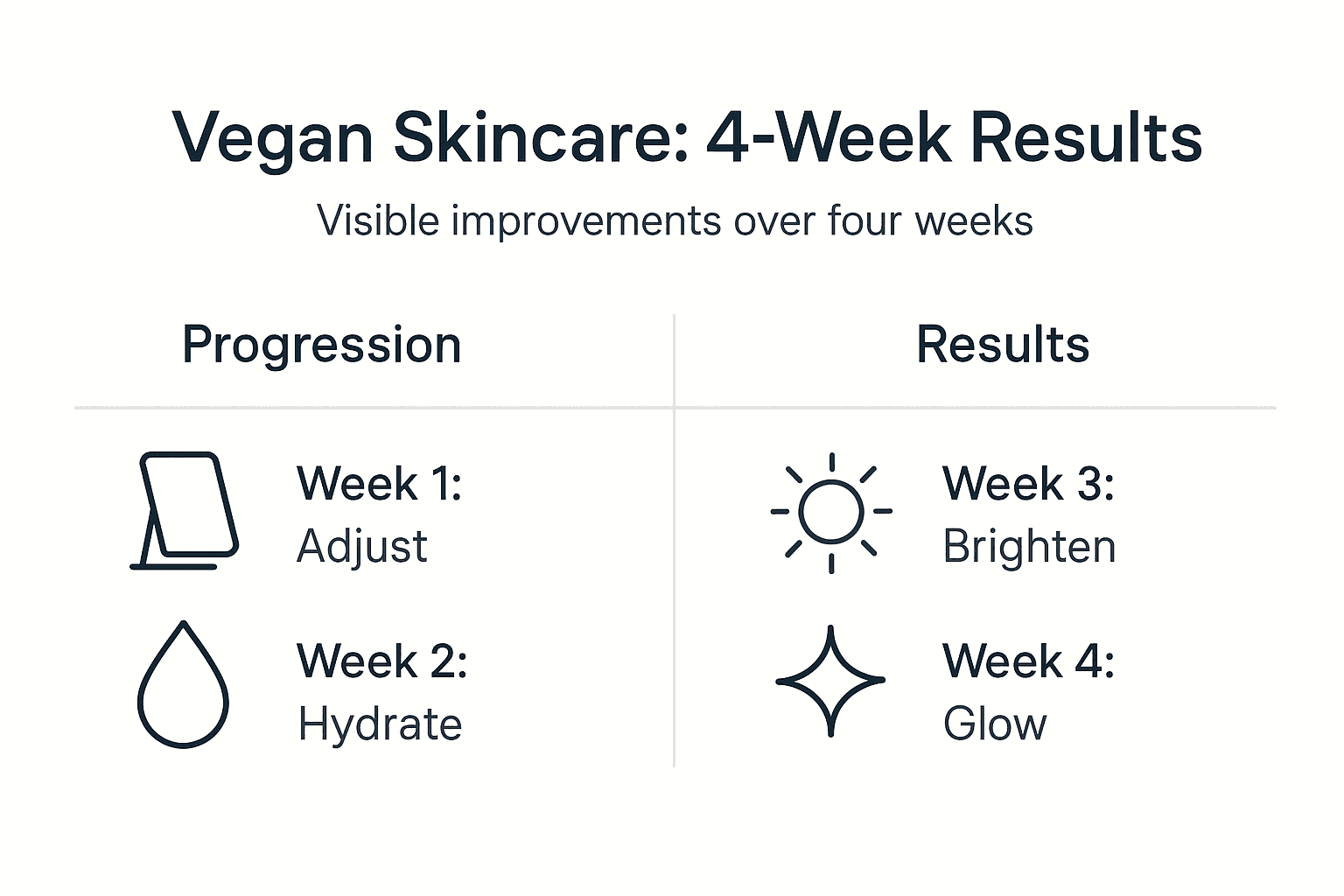
Week 1: Your skin adjusts to the new routine. You might not see dramatic changes yet, but proper hydration begins improving your skin barrier function. Some people notice their skin feels softer or looks less dull.
Week 2: Hydration levels increase measurably. If you were experiencing dryness or tightness, this typically improves. Texture may start smoothing as dead skin cell turnover normalizes.
Week 3: Brightness and evenness become more apparent. Dark spots or hyperpigmentation begin fading if you’re using vitamin C or other brightening ingredients. Fine lines may look less pronounced due to better hydration.
Week 4: The cumulative effects become obvious. Friends might ask if you’ve changed something about your appearance. Skin tone looks more uniform, texture feels smoother, and your natural glow returns.
Consistency and product quality greatly influence these outcomes. Skipping your routine three times a week or using expired products will delay results. High-quality vegan formulations with stable active ingredients deliver better outcomes than budget products with fillers.
Skin texture and breakout frequency can improve significantly over time with proper layering. Many people find their pores look smaller and breakouts occur less often after eight to twelve weeks of consistent use. This happens because balanced, well-hydrated skin produces less excess oil and sheds dead cells more efficiently.
72% of consistent users report noticeable skin improvements by week 4
Maintain your layering routine even after seeing results. Your skin needs ongoing support to stay healthy. Think of it like exercise: you wouldn’t work out for a month, see results, then stop and expect those results to last.
For guidance on building a natural skincare routine that grows with your skin’s needs, explore evidence-based approaches. The natural skincare routine results study provides additional data on expected timelines for various skin concerns.
Alternative approaches and tradeoffs
No single layering method works for everyone. Your skin type, climate, lifestyle, and product preferences all influence which approach suits you best. Understanding the tradeoffs helps you customize your routine intelligently.
Oil-based versus water-based layering presents distinct advantages and challenges. Water-based products (toners, lightweight serums, gel moisturizers) absorb quickly and work well for oily or combination skin. They feel refreshing and don’t leave residue. However, very dry skin may need the richer emollience of oil-based products. Face oils, oil cleansers, and balm moisturizers provide deeper nourishment but can feel heavy and take longer to absorb. Some people combine both approaches, using water-based products in summer and adding more oils in winter.
Mixing different brands requires extra caution. While you don’t need to buy everything from one company, different brands use varying pH levels, preservative systems, and ingredient concentrations. These can clash when layered together. Patch testing becomes even more critical when combining brands. Start by keeping your core routine (cleanser, moisturizer, sunscreen) from one trusted brand, then carefully introduce serums or treatments from others.
| Approach | Pros | Cons | Best For |
|---|---|---|---|
| Minimalist (3-4 products) | Simple, quick, less room for error, budget-friendly | May not address multiple skin concerns simultaneously | Beginners, sensitive skin, busy schedules |
| Comprehensive (6-8 products) | Targets multiple concerns, customizable, potentially faster results | Time-consuming, higher cost, more chance of incompatibility | Experienced users, specific skin issues, dedicated routine time |
| Seasonal rotation | Adapts to climate changes, prevents product boredom, addresses changing needs | Requires product variety, more complex to track, potential waste | All skin types in variable climates |
| Single-brand system | Products designed to work together, consistent pH and formulation | Limited ingredient variety, brand loyalty required, can be expensive | Those prioritizing simplicity and compatibility |
Patch testing reduces risks dramatically when introducing new combinations. Apply a small amount of each new product to your inner forearm, wait 72 hours, and watch for redness, itching, or bumps. If you’re testing multiple products, do them separately with a few days between each test.
Consider your individual skin type and sensitivities when choosing an approach. Sensitive skin does better with minimalist routines using fewer, gentler products. Oily skin can handle more lightweight layers. Mature skin often benefits from comprehensive routines with multiple targeted treatments.
Your lifestyle matters too. If you travel frequently, a simplified routine with multipurpose products makes more sense than an eight-step routine requiring perfect conditions. If you have 15 minutes morning and night to dedicate to skincare, a comprehensive approach might bring you joy and better results.
Explore vegan skincare tradeoffs to understand how ingredient sourcing, packaging, and formulation complexity affect both your skin and environmental impact. The article on vegan skincare considerations discusses how to balance effectiveness with ethical choices.
Explore eco-friendly beauty tips at Didis Beauty Center
You’ve learned the science and technique behind effective vegan skincare layering. Now it’s time to put that knowledge into action with products and guidance you can trust.
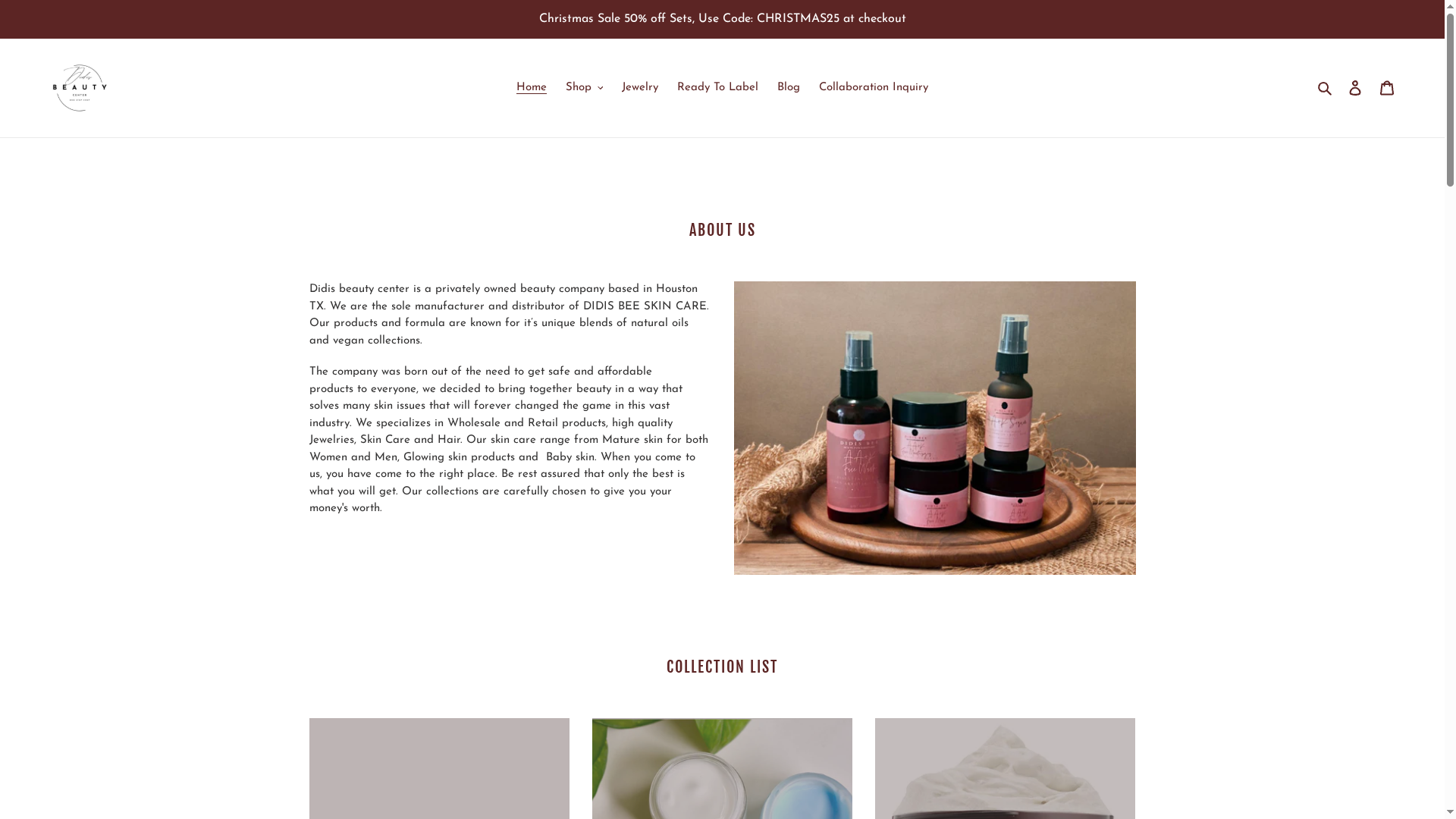
Didis Beauty Center specializes in natural, vegan formulations designed to work beautifully together. Our curated product lines take the guesswork out of compatibility, so you can focus on your skincare ritual instead of worrying about ingredient conflicts. Every product is selected for quality, safety, and effectiveness.
Discover practical eco-friendly beauty tips that extend beyond your skincare routine into sustainable lifestyle choices. Learn why choose natural skincare through our expert blog articles that explain ingredient benefits, debunk myths, and guide you toward healthier skin. Join a community dedicated to sustainable beauty where your questions are answered and your skin goals are supported.
Frequently asked questions about natural vegan skincare layering
How do I identify my skin type for natural skincare?
Cleanse your face with a gentle product, pat dry, and wait two hours without applying anything. Check your T-zone in a mirror. Shiny areas indicate oily skin, tight feeling suggests dry skin, and a mix of both means combination skin. Redness or frequent reactions point to sensitive skin.
Can I use oils in my daytime routine?
Yes, but choose lightweight oils like squalane or jojoba that absorb quickly and won’t interfere with sunscreen. Apply just one or two drops under your moisturizer, never over sunscreen. Heavy oils like coconut or castor are better reserved for nighttime use.
What should I do if my skin reacts negatively?
Stop using the most recently added product immediately and simplify your routine to just cleanser and moisturizer. Wait 48 hours to see if the reaction improves. If symptoms persist or worsen, consult a dermatologist. Once your skin calms, reintroduce products one at a time every two weeks to identify the culprit.
How often should I patch test new products?
Patch test every single new product before using it on your face, regardless of how natural or gentle it claims to be. Apply a small amount to your inner forearm, cover with a bandage if possible, and wait 72 hours. Check for redness, itching, bumps, or any discomfort before proceeding to facial application.
Why is sunscreen essential even with natural products?
Natural and vegan products don’t provide UV protection unless they specifically contain mineral sunscreen ingredients like zinc oxide or titanium dioxide. UV exposure causes premature aging, hyperpigmentation, and skin cancer regardless of how healthy your routine is. Sunscreen is the single most important anti-aging product you can use daily.
Discourse (0)