


Finding the right skincare routine can feel overwhelming when so many products contain harsh chemicals and wasteful packaging. Eco-conscious choices matter now more than ever, with the beauty industry producing over 120 billion packaging units each year worldwide, contributing to environmental challenges in American and European markets. This guide reveals practical steps for assessing, upgrading, and transforming your skincare routine using natural, vegan ingredients and truly sustainable practices—empowering both personal well-being and earth-friendly entrepreneurship.
Table of Contents
- Step 1: Assess Your Current Skincare Routine
- Step 2: Identify Eco-Friendly Ingredients And Products
- Step 3: Switch To Sustainable Packaging Solutions
- Step 4: Implement Organic Skincare Techniques
- Step 5: Evaluate Results And Adjust For Lasting Impact
Quick Summary
| Key Takeaway | Explanation |
|---|---|
| 1. Assess Your Current Routine | Evaluate your existing skincare products for effectiveness and sustainability. Look for harsh chemicals and environmental impact. |
| 2. Identify Eco-Friendly Products | Choose natural, plant-based ingredients that minimize environmental harm while addressing skin health. |
| 3. Switch to Sustainable Packaging | Opt for brands that use recyclable or refillable packaging to reduce waste. |
| 4. Implement Organic Techniques | Look for authentic organic certifications and source ingredients that support ecological balance in skincare. |
| 5. Track and Adjust Routine | Regularly document your skin’s response to products and make informed changes based on effectiveness and sustainability metrics. |
Step 1: Assess Your Current Skincare Routine
Building an eco-friendly skincare routine starts with a strategic assessment of your current practices. Understanding your skin type and existing products helps create a more sustainable path toward healthier skin.
Begin by examining your current skincare products and routine through a critical lens. Dermatologists recommend identifying your specific skin type and evaluating whether your current products truly serve your skin’s needs. Check the ingredients list for harsh chemicals, unnecessary additives, and potential environmental impact. Look for signs like product buildup, skin irritation, or inconsistent results which might indicate your current routine needs an overhaul.
A comprehensive skincare assessment involves analyzing your cleansing, treating, hydrating, and protecting steps. A proper daily routine supports skin health by targeting specific concerns like aging or acne while maintaining environmental responsibility. Consider factors like product packaging, ingredient sourcing, and overall brand sustainability alongside performance.
Pro Tip: Keep a one-week skincare journal documenting product usage, skin reactions, and environmental considerations to gain deeper insights into your current routine.
Step 2: Identify Eco-Friendly Ingredients and Products
Navigating the world of sustainable skincare requires a keen eye for ingredients that support both your skin and the environment. In this step, you will learn how to identify truly eco-friendly products that align with your health and planetary wellness goals.
The cosmetics industry is shifting towards sustainable and natural ingredients as consumer awareness grows. Look for plant-based components like green tea extract, aloe vera, and other botanicals that offer powerful antioxidant and moisturizing properties. Focus on ingredients sourced through responsible methods that minimize environmental impact. This means avoiding petrochemicals, non-biodegradable materials, and components linked to harmful production practices.

When evaluating product sustainability, go beyond ingredient lists. Sustainable skincare requires considering the entire environmental footprint of your products, including packaging, water usage, and potential ecosystem disruption. Watch for certifications like organic, cruelty-free, and vegan labels. Research brands committed to transparent sourcing, minimal waste, and regenerative practices. Pay special attention to ingredients that support both personal skin health and broader environmental conservation.
Here is a comparison of common skincare ingredients and their environmental impact:
| Ingredient Type | Environmental Impact | Skin Benefits |
|---|---|---|
| Plant-based oils | Biodegradable, low impact | Moisturizing, soothing |
| Petrochemicals | Non-renewable resource use | Occlusive, softening |
| Natural extracts | Minimal processing required | Antioxidant properties |
| Synthetic fragrances | Pollution risk, persistence | Fragrance only |
Pro Tip: Use smartphone apps that scan product barcodes and provide detailed sustainability ratings to quickly assess the ecological impact of your skincare choices.
Step 3: Switch to Sustainable Packaging Solutions
Reducing packaging waste is a critical step in creating an eco-friendly skincare routine. This section will guide you through transforming your product selections to minimize environmental impact while maintaining product quality and effectiveness.
The beauty industry produces billions of packages annually, with most ending up in landfills or oceans. Start by scrutinizing product packaging more carefully. Look for brands that use minimal, recyclable materials like glass, aluminum, or cardboard. Prioritize containers made from high recycled content and those designed for easy disassembly. Avoid products with complex multi material packaging that cannot be easily recycled.
Sustainable packaging integrates principles of resource conservation and environmental management, focusing on lightweight materials and enhanced recyclability. Consider brands offering refillable containers, concentrating on companies with take back programs or circular design principles. Research local recycling guidelines to understand how to properly dispose of different packaging types. Some brands now offer innovative solutions like compostable packaging or concentrated formulas that reduce overall material consumption.
Below is a summary of sustainable skincare packaging options and their advantages:
| Packaging Material | Sustainability Advantage | Common Drawback |
|---|---|---|
| Glass | Fully recyclable | Heavy and breakable |
| Aluminum | Infinitely recyclable | Prone to denting |
| Cardboard | Biodegradable and light | Not suitable for liquids |
| Refillable Systems | Reduces single-use waste | Requires consumer effort |
Pro Tip: Keep a small designated container in your bathroom to collect clean, dry packaging materials for recycling to ensure they actually make it through the recycling process.
Step 4: Implement Organic Skincare Techniques
Transitioning to organic skincare requires a thoughtful approach that goes beyond simply purchasing products labeled organic. This step will help you develop a comprehensive strategy for incorporating truly organic techniques into your daily skincare routine.
The FDA regulates cosmetics for safety while the USDA oversees organic certification, which means understanding authentic organic standards is crucial. Start by carefully examining product labels and looking for legitimate organic certifications. Seek out ingredients sourced through agricultural practices that support ecological balance and minimize synthetic inputs. Focus on products that demonstrate transparency about their ingredient origins and processing methods.
International organic certification standards like COSMOS provide rigorous guidelines for natural and organic cosmetics, ensuring ingredient quality and environmental responsibility. Implement techniques that prioritize natural preservative systems and sustainable sourcing. This means choosing skincare products that not only avoid harmful synthetic chemicals but actively support natural farming methods. Consider exploring brands that provide detailed information about their ingredient sourcing, manufacturing processes, and commitment to environmental principles.
Pro Tip: Create a simple tracking system to monitor how different organic skincare products affect your skin, helping you refine your routine and identify the most effective natural ingredients.
Step 5: Evaluate Results and Adjust for Lasting Impact
Sustainable skincare is an ongoing journey of continuous improvement and mindful observation. This final step focuses on systematically tracking your progress and making informed adjustments to your eco-friendly skincare approach.
Scientific advances now allow for comprehensive tracking of ingredient sourcing and product lifecycle sustainability, enabling more precise evaluation of your skincare routine. Begin by documenting your skin’s response to organic products over several weeks. Note changes in texture, hydration, overall appearance, and how different natural ingredients impact your specific skin concerns. Pay attention to not just aesthetic results but also the broader environmental implications of your chosen products.
Life Cycle Sustainability Assessment provides a robust framework for evaluating environmental and personal health impacts, helping you make more holistic decisions. Consider factors beyond immediate skin results such as product packaging waste, ingredient sourcing ethics, and the overall carbon footprint of your skincare routine. Be prepared to experiment and adapt your approach as you learn more about sustainable skincare practices and discover new eco-friendly innovations.
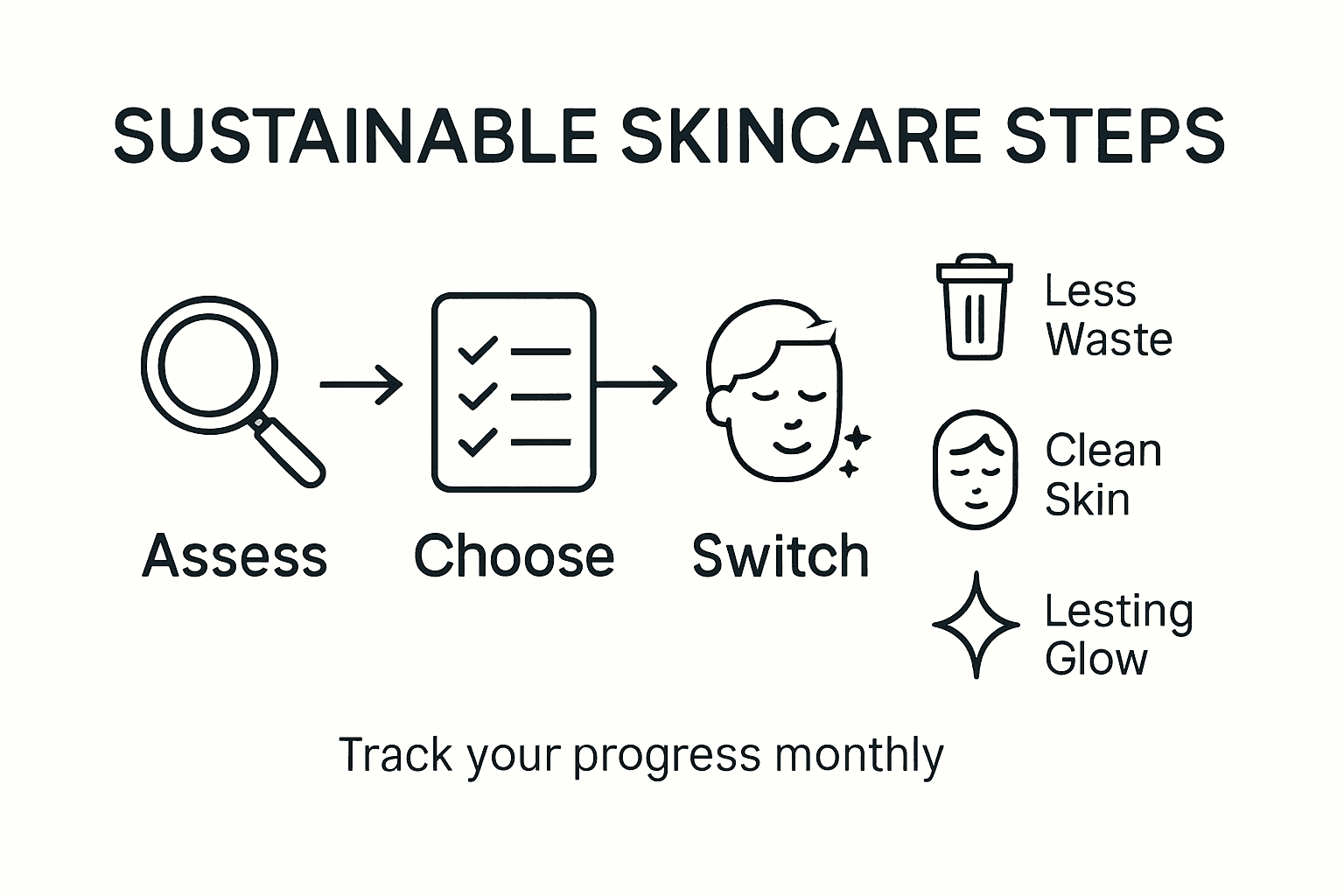
Pro Tip: Create a digital or physical journal with monthly entries tracking your skin’s progress, product performance, and sustainability metrics to help you make data driven skincare decisions.
Discover Your Sustainable Glow with Didis Beauty Center
Transforming your skincare routine to be eco-friendly takes more than just changing products. It requires a mindful selection of natural ingredients, eco-conscious packaging, and authentic organic formulations that truly support both your skin and the planet. If you are ready to embrace cruelty-free and sustainable beauty practices highlighted in the Eco-Friendly Skincare Guide you can find a curated collection of face creams and gentle soaps crafted with natural, vegan ingredients that align with your goals to reduce environmental impact while enhancing your skin health.
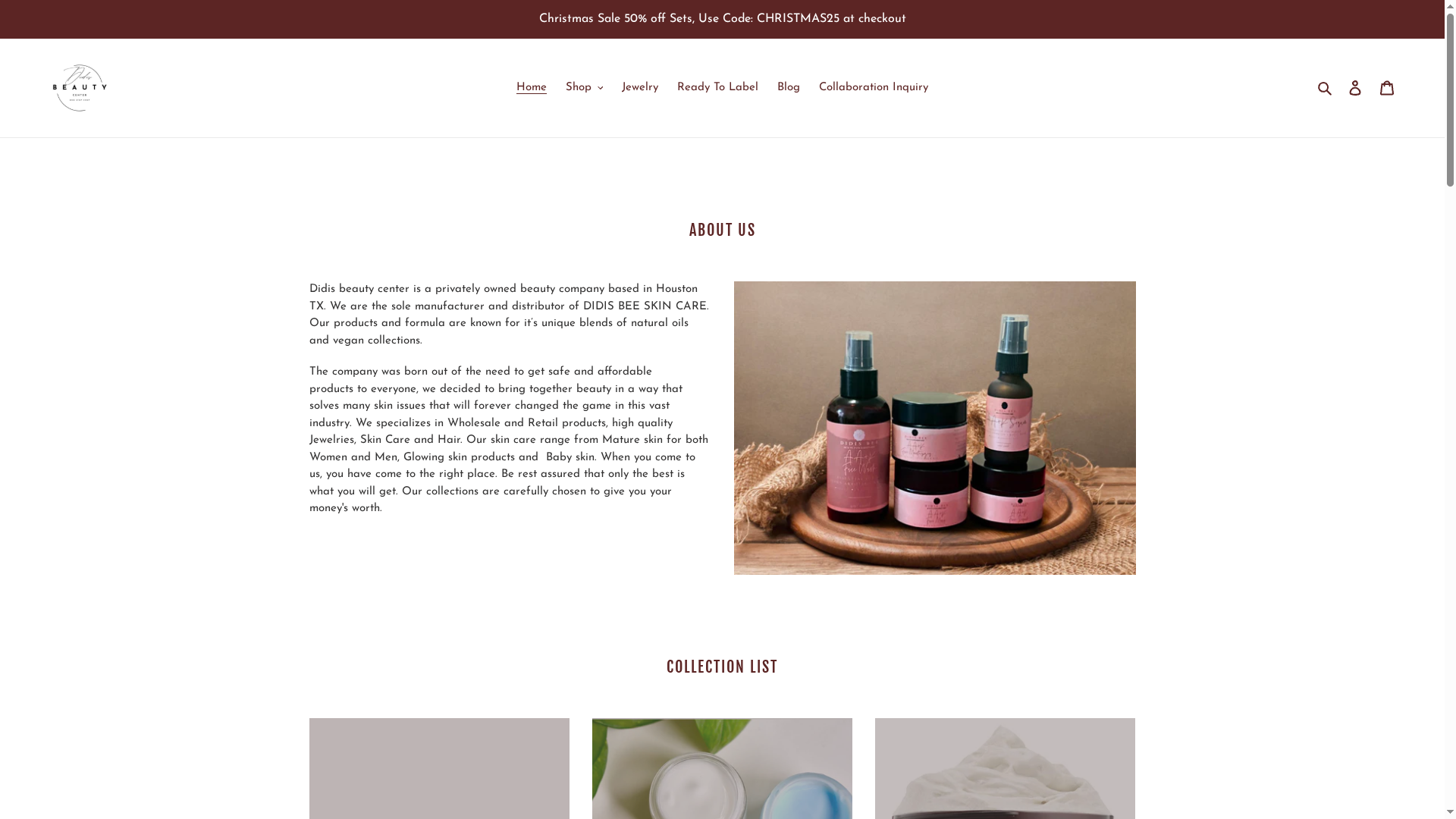
Experience the confidence of glowing skin combined with the satisfaction of making greener choices. Start now by exploring Didis Beauty Center for products designed with transparency, sustainability, and affordability in mind. Whether you are a consumer passionate about natural beauty or an entrepreneur looking to launch your own eco-friendly line with our ready to label options, visit https://didisbeautycenter.com today. Take the first step to lasting impact on your skin and the environment.
Frequently Asked Questions
How can I assess my current skincare routine for eco-friendliness?
Begin by examining the products you currently use and identifying your skin type. Document any harsh chemicals, product buildup, or skin irritation over a week, and consider how your products impact the environment to determine where improvements can be made.
What ingredients should I look for in eco-friendly skincare products?
Seek out plant-based ingredients like green tea extract and aloe vera, which provide skin benefits without harming the environment. Prioritize products that source ingredients responsibly and avoid petrochemicals to align with sustainable practices.
How can I incorporate sustainable packaging into my skincare routine?
Focus on selecting skincare products with minimal and recyclable packaging, such as those made from glass or aluminum. Research brands offering refillable options or take back programs to significantly reduce packaging waste over time.
What techniques can I use to transition to organic skincare?
Start by choosing products with legitimate organic certifications that reflect transparent sourcing and minimal synthetic inputs. Track and adjust your routine based on your skin’s response to organic products, aiming for sustainably sourced ingredients.
How do I evaluate the results of my eco-friendly skincare changes?
Document your skin’s reactions and improvements, focusing on hydration and texture changes over several weeks. Adjust your routine based on these evaluations, while also considering the environmental impact of your products, to ensure lasting, positive effects.
Why is it important to focus on sustainability in skincare?
Adopting eco-friendly skincare practices helps reduce environmental harm and promotes healthier skin. Make a conscious choice to select products that benefit both your skin and the planet, creating a more sustainable lifestyle.
Discourse (0)