


Nearly half of American millennials say they will pay more for beauty products that are certified cruelty-free. For eco-conscious beauty lovers worldwide, understanding what cruelty-free actually means can be confusing. From misleading labels to complex regulations across regions like the European Union and California, navigating ethical skincare choices takes more than checking a logo. This guide dives into essential distinctions, certifications, and real-world tips to help you make smarter, truly ethical decisions for your skin and your sustainable beauty brand.
Table of Contents
- Defining Cruelty-Free Beauty And Misconceptions
- Types Of Cruelty-Free Claims And Certifications
- How Cruelty-Free Beauty Works: Testing Alternatives
- Regulations And Global Standards For Cruelty-Free
- Realities Of Labeling And Parent Companies
- Comparing Cruelty-Free, Vegan, And Conventional Products
Key Takeaways
| Point | Details |
|---|---|
| Understanding Cruelty-Free | Cruelty-free products are developed without any animal testing at any stage, but many consumers confuse ‘not tested on animals’ with comprehensive ethical practices. |
| Certification Variability | Different cruelty-free certifications exist, including company-level and third-party verified, highlighting the importance of validating claims through trusted organizations. |
| Testing Alternatives | The beauty industry is shifting towards ethical testing alternatives like in vitro methods and computer modeling, which eliminate animal suffering while ensuring product safety. |
| Product Category Insights | Distinctions between cruelty-free, vegan, and conventional products are critical; not all vegan products are cruelty-free, emphasizing the need for careful ingredient scrutiny. |
Defining Cruelty-Free Beauty and Misconceptions
The beauty industry has been revolutionizing its approach to ethical production, with cruelty-free beauty emerging as a critical standard for conscientious consumers. Yet, misconceptions continue to cloud understanding about what truly constitutes cruelty-free products. Research reveals significant consumer confusion surrounding these claims, particularly regarding animal testing practices and ethical manufacturing standards.
At its core, cruelty-free beauty means products developed without conducting any animal testing during any stage of product development. This encompasses everything from initial ingredient testing to final product formulation. However, global market research demonstrates persistent misunderstandings about the nuanced definition of cruelty-free standards. Many consumers mistakenly believe that “not tested on animals” automatically implies comprehensive ethical production, which is not always accurate.
Key distinctions in cruelty-free certification include:
- No animal testing by the brand itself
- No animal testing conducted by third-party laboratories
- No animal testing required by regulatory agencies in specific markets
- Ingredients sourced from suppliers who also adhere to cruelty-free principles
Pro Tip for Ethical Shoppers: Research certification logos and verify brands’ comprehensive cruelty-free commitments by checking recognized organizations like PETA or Leaping Bunny, which provide rigorous verification beyond marketing claims.
Types of Cruelty-Free Claims and Certifications
Understanding the landscape of cruelty-free certifications requires navigating a complex network of claims, standards, and third-party validations. Global market research reveals significant variations in certification processes, highlighting the importance of recognizing different levels of ethical commitment within the beauty industry.
Three primary types of cruelty-free claims dominate the market:
- Company-Level Certifications: Brands that independently commit to no animal testing
- Third-Party Verified Certifications: External organizations like Leaping Bunny and PETA that conduct rigorous audits
- International Compliance Certifications: Labels that meet specific regional regulatory standards
Brands seeking comprehensive cruelty-free compliance must navigate intricate global requirements, which often involve verifying not just their own practices but also those of ingredient suppliers and manufacturing partners. This multilayered approach ensures that ethical standards are maintained throughout the entire production process.
Pro Tip for Smart Shoppers: Always cross-reference certification logos with official registry websites, as some brands may use misleading or self-created certification marks that lack independent verification.
How Cruelty-Free Beauty Works: Testing Alternatives
The beauty industry is undergoing a transformative shift towards ethical testing methodologies, moving beyond traditional animal testing practices. Global scientific collaboration has accelerated the development of innovative non-animal testing alternatives, representing a significant breakthrough in product safety assessment and ethical research protocols.
Modern cruelty-free testing alternatives include several sophisticated approaches:
- In Vitro Cell Cultures: Using human cell lines to simulate biological responses
- Computer Modeling: Advanced algorithms that predict potential chemical interactions
- Synthetic Skin Equivalents: Engineered tissue models for dermatological testing
- Organ-on-Chip Technologies: Microengineered systems mimicking human organ functions
These cutting-edge techniques not only eliminate animal suffering but often provide more precise and nuanced data compared to traditional animal testing methods. Researchers can now simulate complex biological interactions with unprecedented accuracy, allowing cosmetic companies to develop safer products while maintaining rigorous scientific standards. The technological sophistication of these alternatives demonstrates that ethical research and scientific excellence can coexist harmoniously.

Pro Tip for Conscious Consumers: Research brands that explicitly detail their non-animal testing methods, looking for specific mentions of advanced technological alternatives rather than generic cruelty-free claims.
Regulations and Global Standards for Cruelty-Free
The landscape of cruelty-free regulations represents a complex international tapestry of legal frameworks and ethical commitments. Global regulatory efforts have dramatically transformed animal testing standards, with different regions adopting unique yet interconnected approaches to eliminating animal testing in cosmetic research and production.
Key regional regulatory approaches include:
- European Union: Complete ban on animal testing for cosmetic products and ingredients
- California: Prohibits sale of cosmetics tested on animals after specific dates
- India: Nationwide prohibition of animal testing for cosmetic products
- China: Recently modified regulations allowing certain imported cosmetics to bypass mandatory animal testing
These regulatory frameworks demonstrate a global momentum towards ethical product development, with international advocacy groups and scientific organizations driving systemic change. The evolving standards reflect not just legislative action, but a profound shift in consumer consciousness and corporate responsibility. Emerging markets are increasingly aligning their regulatory frameworks with progressive animal welfare standards, signaling a transformative period in global beauty industry practices.
Here’s a quick comparison of how key global regions approach cruelty-free beauty regulation:
| Region | Regulatory Approach | Impact on Brands |
|---|---|---|
| European Union | Full ban on animal testing | All cosmetics must comply |
| California | Prohibits sales of tested cosmetics | Local brands must adapt |
| India | Nationwide testing ban | Strict local requirements |
| China | Eases rules for some imports | Mixed impact; ongoing changes |
Pro Tip for Informed Consumers: Always verify a brand’s cruelty-free claims against official certification standards, as regulatory compliance can vary significantly across different international markets.
Realities of Labeling and Parent Companies
Consumers navigating the cruelty-free beauty landscape face complex challenges arising from inconsistent labeling practices and intricate corporate structures. Regulatory gaps and marketing ambiguity create significant confusion around cruelty-free claims, with many brands exploiting legal loopholes to present misleading ethical credentials.
Critical considerations for understanding cruelty-free labeling include:
- Parent Company Practices: Independently cruelty-free brands owned by larger corporations that conduct animal testing
- Global Market Variations: Different certification standards across international markets
- Supply Chain Complexity: Potential animal testing occurring at ingredient sourcing stages
- Certification Reliability: Lack of universal, legally enforceable cruelty-free standards
Consumer research demonstrates significant skepticism toward ethical marketing claims, highlighting the need for transparent and verifiable certification processes. The reality is that many supposedly cruelty-free brands operate within complex corporate ecosystems that may indirectly support animal testing, creating a nuanced ethical landscape that requires careful investigation by conscientious consumers.
Pro Tip for Savvy Shoppers: Always cross-reference multiple certification sources and research a brand’s complete ownership structure before accepting cruelty-free claims at face value.
Comparing Cruelty-Free, Vegan, and Conventional Products
Understanding the nuanced differences between cruelty-free, vegan, and conventional beauty products requires careful examination of their distinct characteristics and ethical implications. Global market research reveals significant variations in consumer perceptions and product standards, highlighting the complexity of ethical beauty choices.
Key distinctions between product categories include:
-
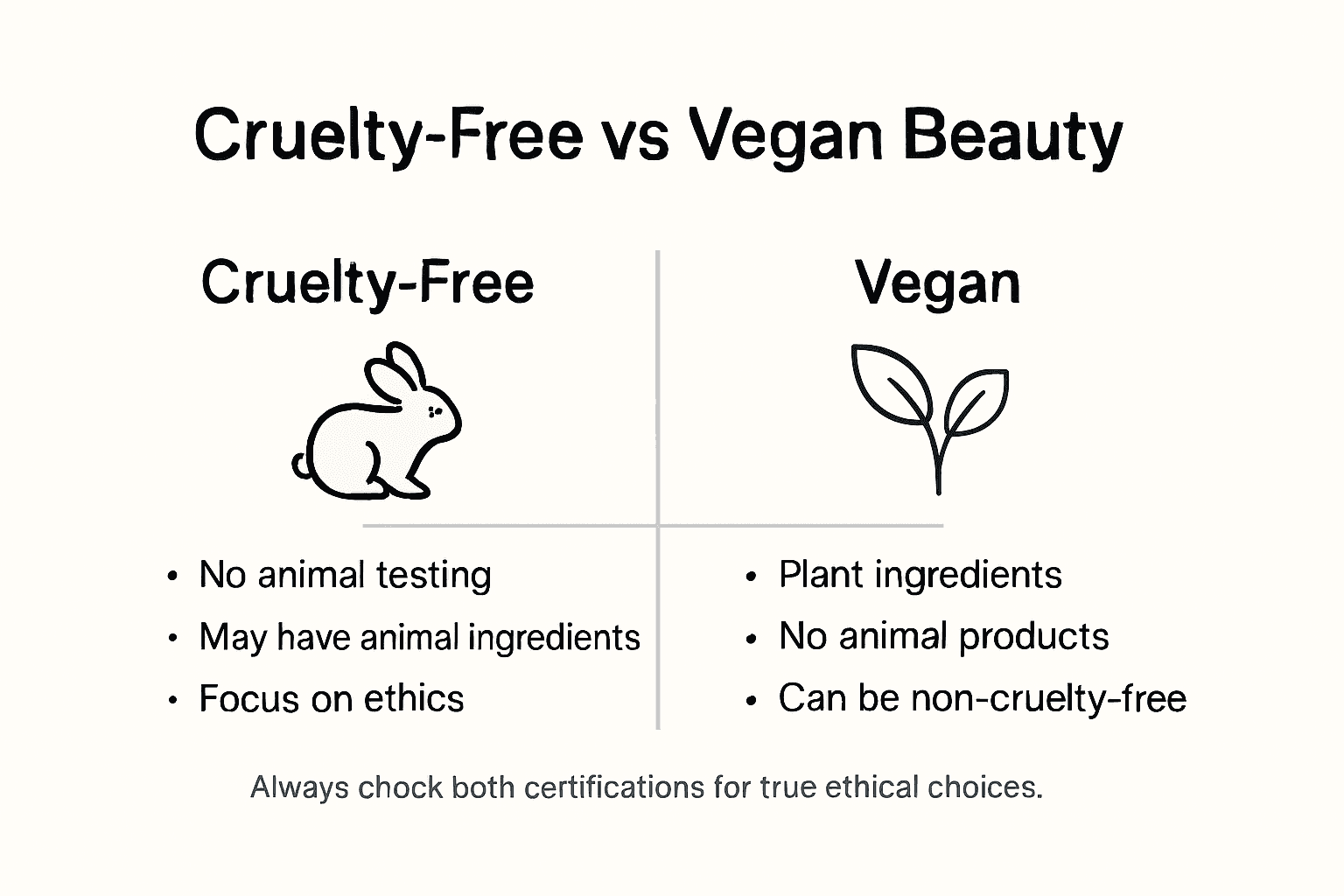
Cruelty-Free Products:
- No animal testing at any production stage
- May still contain animal-derived ingredients
- Focused on testing methodology
-
Vegan Products:
- Contain zero animal-derived ingredients
- Not automatically cruelty-free
- Plant-based and synthetic ingredient focus
-
Conventional Products:
- Traditional manufacturing processes
- May include animal testing
- Ingredients sourced without ethical restrictions
Consumer research demonstrates that ethical claims significantly influence product perception and purchasing decisions, with growing market segments prioritizing transparency and animal welfare. The evolving beauty landscape reflects increasing consumer consciousness about ingredient origins, production methodologies, and broader environmental impacts.
Below is a succinct comparison of cruelty-free, vegan, and conventional beauty products:
| Product Type | Animal Testing | Animal Ingredients | Ethical Purchasing Tip |
|---|---|---|---|
| Cruelty-Free | Never used | Sometimes present | Check for trusted certification |
| Vegan | Varies | None | Review ingredient sources |
| Conventional | Often used | Frequently present | Investigate brand practices |
Pro Tip for Ethical Shoppers: Always read ingredient lists carefully and verify certification logos, understanding that ‘vegan’ and ‘cruelty-free’ are not interchangeable terms.
Embrace True Cruelty-Free Beauty with Confidence
Navigating the complex world of cruelty-free products can feel overwhelming due to unclear labeling and hidden testing practices highlighted in the article. If you value transparency and ethical skincare choices that honor animal welfare while delivering natural effectiveness explore our collection of thoughtfully crafted Serums and nourishing Cream solutions. Each product on Didis Beauty Center aligns with the highest standards of cruelty-free and vegan formulations ensuring you never compromise on your values.
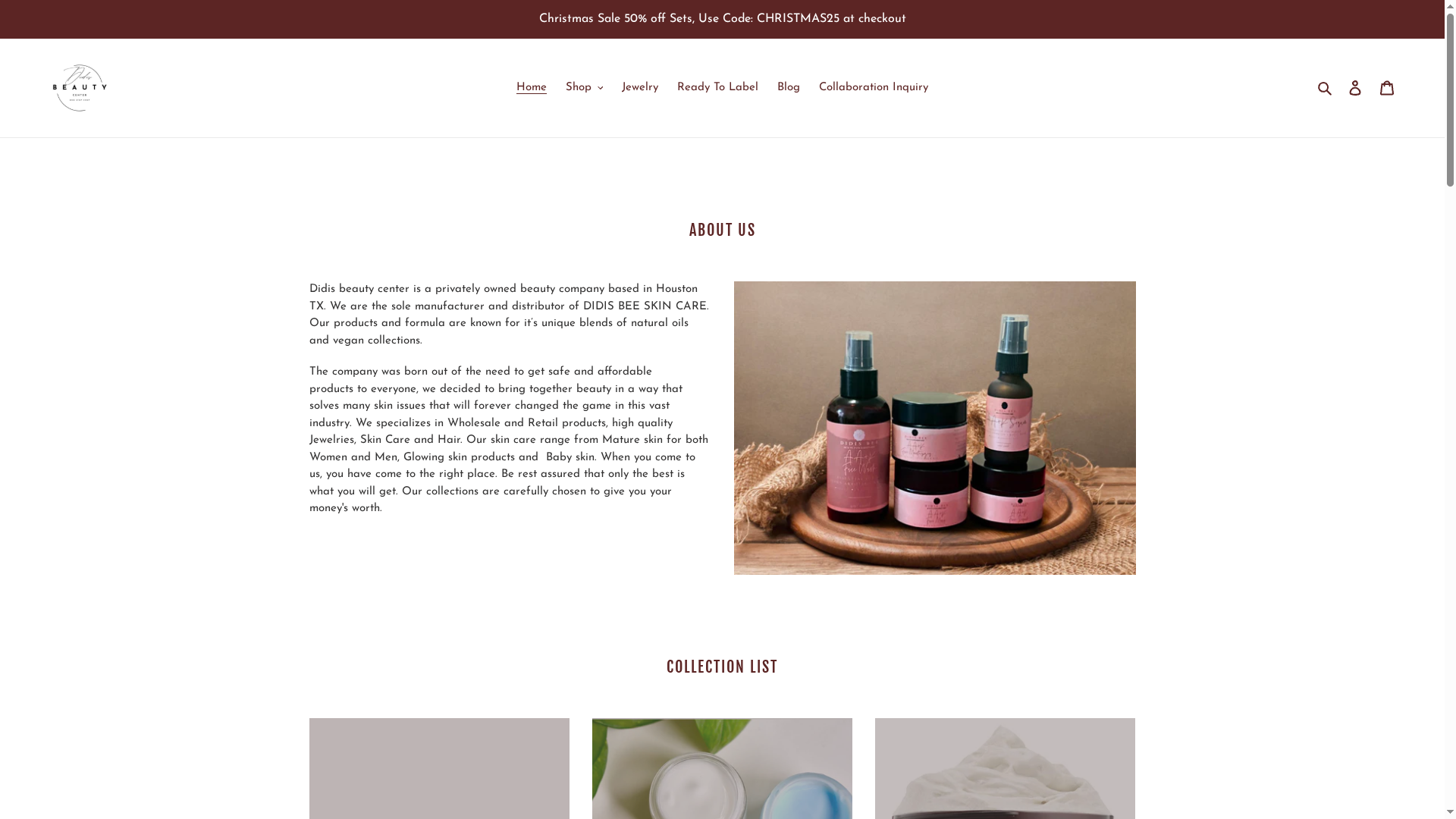
Discover beauty that truly respects your commitment to animal-free testing and sustainable ingredients. Start your journey toward better ethical skincare today at Didis Beauty Center and enjoy products that are safe affordable and powerful. Shop now and make a conscious impact with every application.
Frequently Asked Questions
What does cruelty-free mean in beauty products?
Cruelty-free means that the products and their ingredients have not been tested on animals at any stage of development.
How can I verify if a beauty brand is truly cruelty-free?
You can verify a brand’s cruelty-free status by checking for certification logos from recognized organizations like PETA or Leaping Bunny and cross-referencing their claims on official registries.
Are cruelty-free products the same as vegan products?
No, cruelty-free products may still contain animal-derived ingredients, while vegan products do not contain any animal ingredients at all, but some vegan products may still undergo animal testing.
What are some alternative testing methods used in cruelty-free beauty?
Alternative testing methods include in vitro cell cultures, computer modeling, synthetic skin equivalents, and organ-on-chip technologies, all of which aim to assess product safety without using animals.
Discourse (0)