


Over 60 percent of American consumers now demand that beauty brands are both cruelty-free and environmentally responsible. For entrepreneurial women in North America, building a natural, vegan beauty brand is about more than good intentions. It means crafting an authentic identity that resonates with ethical buyers while embracing sustainable packaging and honest storytelling. This guide uncovers the beliefs that set successful American beauty brands apart and helps you avoid the most common mistakes.
Table of Contents
- Defining Beauty Branding and Common Misconceptions
- Distinct Types and Approaches in Beauty Branding
- Core Features of Successful Beauty Branding
- Sustainable and Cruelty-Free Branding Practices
- Risks, Costs, and Mistakes to Avoid
Key Takeaways
| Point | Details |
|---|---|
| Beauty Branding Is Multifaceted | It combines cultural perception, personal identity, and strategic communication to connect deeply with consumers. |
| Emphasize Authentic Storytelling | Successful brands create genuine narratives that reflect diverse experiences and empower individuals rather than relying on visual appeal alone. |
| Sustainability Is Essential | Modern consumers expect ethical sourcing and transparent practices; brands must fully commit to these ideals to build trust. |
| Market Research Is Critical | Conduct comprehensive studies to understand target audience needs and adapt strategies accordingly, ensuring brand relevance and authenticity. |
Defining Beauty Branding and Common Misconceptions
Beauty branding transcends mere product packaging or superficial aesthetics. At its core, beauty branding represents a complex intersection of cultural perception, personal identity, and strategic communication. Modern beauty perception research demonstrates that successful beauty brands do more than sell products – they construct narratives that resonate deeply with consumers’ sense of self and societal values.
Contrary to popular belief, beauty branding is not simply about creating attractive visual designs or promoting unrealistic standards. Instead, it involves crafting authentic stories that reflect diverse experiences and empower individuals. Effective beauty brands recognize that consumers seek representation, emotional connection, and products that align with their personal values. This means moving beyond traditional beauty standards and embracing inclusivity, sustainability, and genuine self-expression.
Common misconceptions about beauty branding often stem from outdated perspectives that reduce the field to surface-level marketing tactics. In reality, contemporary beauty brands function as sophisticated platforms for social dialogue. They communicate complex messages about personal wellness, cultural identity, and individual empowerment. Successful brands understand that modern consumers want transparency, ethical practices, and products that genuinely improve their lives rather than simply promising cosmetic transformation.
Pro tip: When developing a beauty brand, focus on telling a genuine story that connects emotionally with your target audience, rather than relying solely on visual aesthetics or traditional marketing approaches.
Distinct Types and Approaches in Beauty Branding
Beauty branding encompasses diverse strategic approaches that reflect unique market positioning and consumer values. Cross-cultural marketing research reveals that successful beauty brands develop nuanced strategies tailored to specific audience segments, recognizing that one-size-fits-all marketing no longer resonates with sophisticated consumers.
The primary types of beauty branding strategies include inclusive brands, luxury brands, masstige (mass-prestige), natural beauty, and culture-adaptive brands. Each approach targets different consumer needs and expectations. Inclusive brands focus on representing diverse body types, skin tones, and gender expressions. Luxury brands emphasize premium experiences and high-end product quality. Masstige brands bridge the gap between mass market and prestige, offering aspirational products at accessible price points.
Natural and clean beauty brands have gained significant traction by prioritizing transparency, sustainable ingredients, and ethical production processes. These brands appeal to environmentally conscious consumers who demand products that align with their personal values. Culture-adaptive brands take localization to the next level, designing products and marketing strategies that authentically reflect regional beauty standards, religious considerations, and cultural preferences.

Here’s a quick comparison of the main beauty branding strategies and their core focus:
| Branding Type | Primary Focus | Target Audience |
|---|---|---|
| Inclusive | Diversity and representation | Broad, diverse consumers |
| Luxury | Prestige and exclusivity | Affluent shoppers |
| Masstige | Affordable aspiration | Value-driven buyers |
| Natural/Clean | Ethical and transparent | Eco-conscious consumers |
| Culture-Adaptive | Localized relevance | Regional market segments |
Pro tip: When developing your beauty brand, conduct comprehensive market research to understand your target audience’s specific needs, values, and cultural context, allowing you to create a more resonant and authentic brand positioning.
Core Features of Successful Beauty Branding
Industry research on successful cosmetic brands reveals that modern beauty branding requires a multifaceted approach that goes beyond traditional marketing strategies. Successful brands understand that consumers seek more than just products – they desire authentic experiences that reflect their personal values, identity, and aspirations. This means creating a holistic brand narrative that connects emotionally and intellectually with target audiences.
The core features of impactful beauty branding include authentic storytelling, emotional connection, and consistent visual identity. Authentic storytelling involves developing a genuine brand narrative that resonates with consumers’ lived experiences. This goes beyond surface-level marketing, instead creating meaningful dialogues about personal empowerment, self-expression, and individual wellness. Emotional connection becomes paramount, with brands needing to demonstrate real understanding of their consumers’ challenges, hopes, and dreams.
Additionally, successful beauty brands prioritize inclusivity, innovation, and consumer engagement. This means designing products and marketing strategies that represent diverse body types, skin tones, and gender expressions. Brands must continuously adapt to emerging trends, technological innovations, and shifting consumer expectations. Consumer engagement requires transparent communication, responsive customer service, and creating community-driven platforms that make customers feel heard and valued.
Pro tip: Develop a comprehensive brand strategy that balances emotional storytelling with tangible product benefits, ensuring your brand communicates both authenticity and practical value to your target audience.
Sustainable and Cruelty-Free Branding Practices
Recent academic research on ethical beauty branding demonstrates that sustainable and cruelty-free practices have transformed from niche market considerations to critical consumer expectations. Modern beauty entrepreneurs must recognize that ethical sourcing, transparent supply chains, and animal welfare are no longer optional – they are fundamental requirements for building trust and credibility in the competitive beauty industry.
The core components of sustainable and cruelty-free branding include comprehensive ethical policies, transparent sourcing, and demonstrable commitment to animal welfare. This means developing rigorous standards that go beyond superficial marketing claims. Brands must implement verifiable processes that ensure no animal testing occurs at any stage of product development, from ingredient sourcing to final manufacturing. Additionally, sustainable practices require holistic approaches that address environmental impact, including responsible packaging, reduced carbon footprints, and support for regenerative agricultural practices.
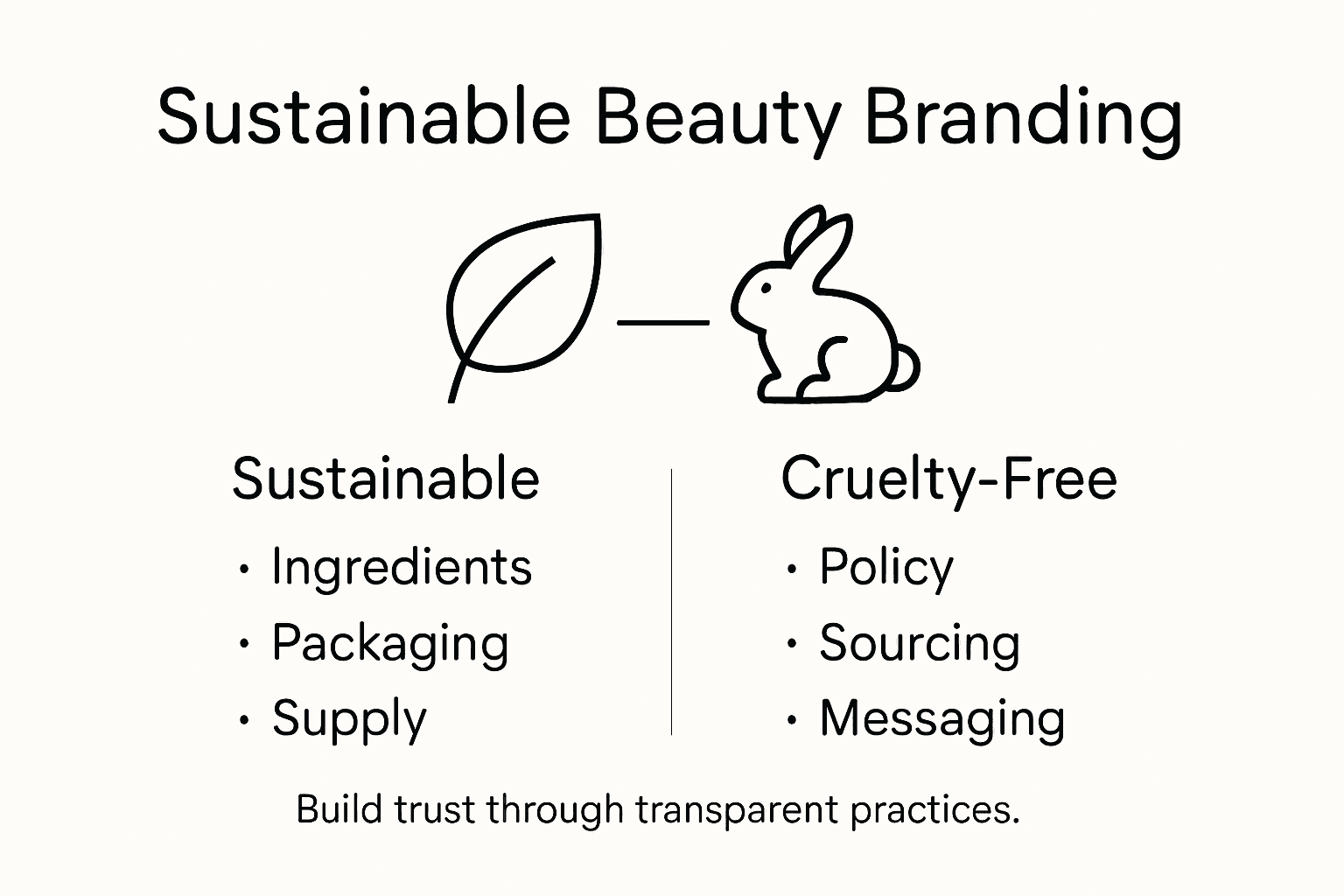
Consumer engagement becomes critical in communicating these ethical commitments. Successful brands leverage social media, detailed product labeling, and corporate social responsibility (CSR) reporting to showcase their genuine dedication to sustainability. This involves not just making claims, but providing transparent documentation, third-party certifications, and ongoing educational content that helps consumers understand the real-world impact of their purchasing decisions. By creating authentic narratives around their ethical practices, beauty brands can build deeper connections with increasingly conscious consumers who view their purchases as extensions of their personal values.
Pro tip: Develop a comprehensive sustainability report that details your brand’s specific ethical practices, making your commitment to cruelty-free and sustainable production transparent and verifiable.
Risks, Costs, and Mistakes to Avoid
Industry analysis of beauty branding challenges reveals that launching a beauty brand involves navigating complex market dynamics and potential financial pitfalls. Entrepreneurs must understand that the beauty industry is highly competitive, with significant risks stemming from market saturation, inconsistent brand positioning, and rapidly changing consumer expectations. Understanding these challenges is crucial for developing a resilient and adaptable brand strategy.
The most critical risks for emerging beauty brands include market overcrowding, brand authenticity challenges, and financial overextension. Many new brands fail by attempting to compete on generic features rather than establishing a unique market position. This means investing heavily in product development and marketing without a clear differentiation strategy. Financial risks are particularly significant, with substantial upfront costs for formulation, packaging, certifications, and initial marketing campaigns requiring careful financial planning and potential investor support.
Common mistakes that can derail beauty brand success involve poor communication, neglecting target audience research, and making unsupported sustainability claims. Brands must develop transparent, genuine narratives that resonate with consumers’ values and expectations. This requires ongoing market research, adaptable marketing strategies, and a commitment to authentic brand storytelling. Successful brands recognize that consumer trust is built through consistent messaging, demonstrable ethical practices, and a genuine understanding of their audience’s evolving needs and preferences.
The table below summarizes major risks facing beauty brand startups and suggested mitigation strategies:
| Risk Factor | Description | How to Mitigate |
|---|---|---|
| Market Overcrowding | Many brands competing for attention | Find a unique positioning |
| Brand Authenticity | Perceptions of being inauthentic | Develop genuine storytelling |
| Financial Overextension | Excessive early-phase spending | Build realistic financial models |
| Rapid Consumer Shifts | Changing preferences and trends | Stay agile and monitor feedback |
| Unsupported Claims | Sustainability/ethics claims doubted | Provide transparent documentation |
Pro tip: Conduct comprehensive market research and develop a detailed financial model that accounts for multiple scenarios, ensuring you have sufficient capital reserves to navigate unexpected challenges and pivot your strategy when necessary.
Elevate Your Natural Beauty Brand with Purpose and Authenticity
Building a successful natural beauty brand means overcoming challenges like creating authentic storytelling and embracing sustainable, cruelty-free practices. The article highlights the importance of connecting emotionally with your audience while meeting their demand for transparency and ethical production. If you want to stand out by offering high-quality, vegan skincare products that embody these values, explore our curated selection of nourishing Oils and effective Cream collections designed to support inclusive and eco-conscious branding.
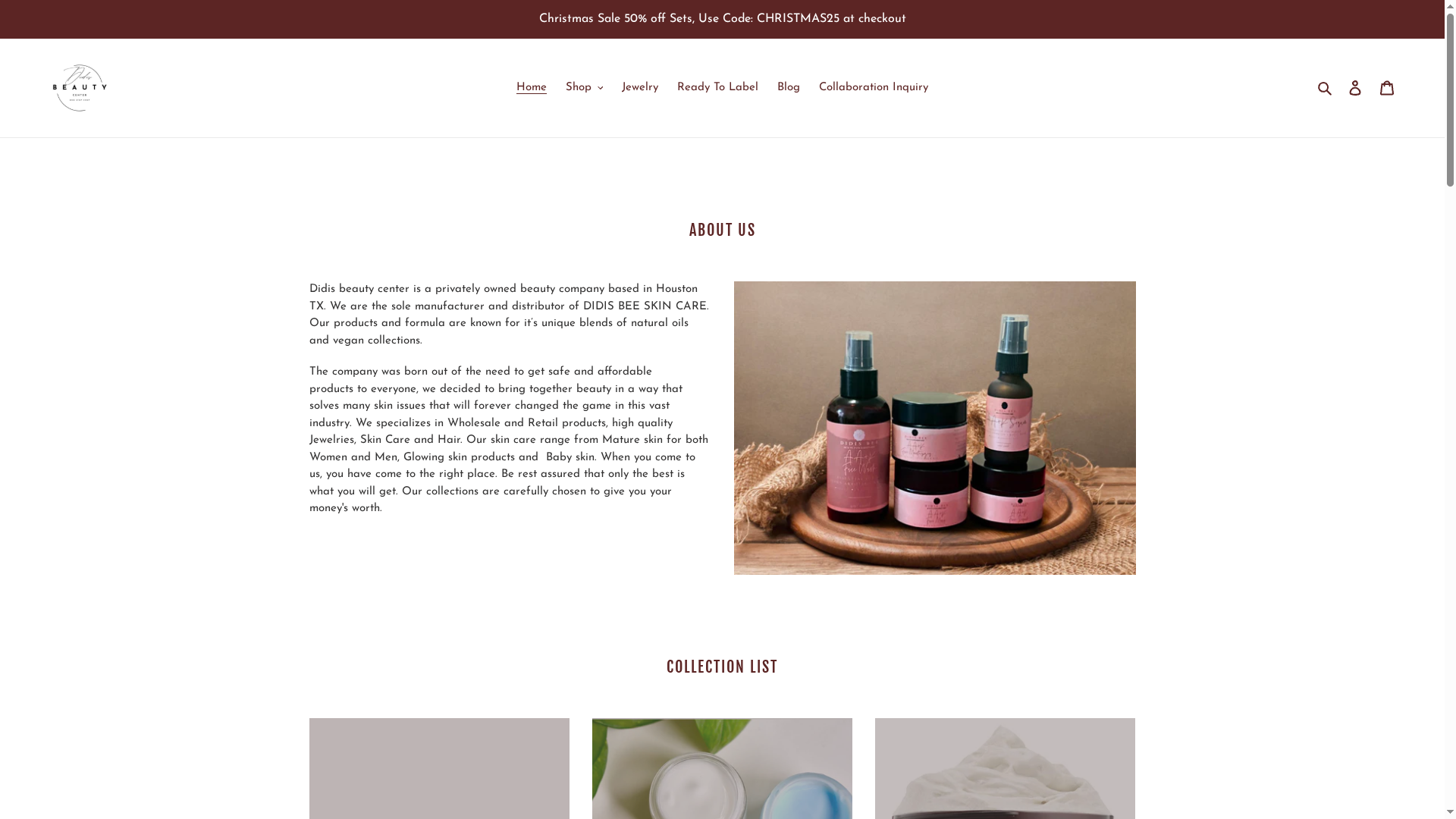
Take the next step to build a beauty brand that resonates deeply with consumers who value authenticity and sustainability. Discover how Didis Beauty Center can empower you with natural formulations, private labeling options, and expert insights for a thriving brand at didisbeautycenter.com. Start creating a meaningful impact today.
Frequently Asked Questions
What is beauty branding?
Beauty branding involves creating a complex narrative that connects products with cultural perceptions, personal identity, and strategic communication, focusing on representation and ethical values, rather than just visual appeal.
How can a brand ensure inclusivity in its beauty products?
Brands can ensure inclusivity by representing diverse body types, skin tones, and gender expressions in their product lines and marketing strategies, actively engaging with a wide range of consumer experiences.
What are the core features of successful beauty branding?
Successful beauty branding includes authentic storytelling, emotional connection with consumers, consistent visual identity, and prioritizing innovation and inclusivity, creating a holistic experience that resonates with target audiences.
Why are sustainable and cruelty-free practices important in beauty branding?
Sustainable and cruelty-free practices have become essential consumer expectations. They help build trust and credibility, demonstrate ethical commitment, and attract environmentally conscious consumers who align their purchases with personal values.
Discourse (0)