


Finding reliable natural skincare that actually delivers results can feel like searching for clarity in a sea of confusing labels and overblown promises. For health-conscious millennials who value transparency, cruelty-free practices, and vegan options, the difference between marketing hype and genuine benefits often remains unclear. Understanding the science behind bioactive compounds working together in plant-based, rigorously tested formulations is the first step in making informed choices for your skin and your values.
Table of Contents
- Defining Natural Skincare And Common Myths
- Types Of Natural And Vegan Formulations
- Benefits For Skin Health And Wellness
- Ethical Impact: Cruelty-Free And Eco-Friendly
- Risks, Costs, And How To Avoid Pitfalls
Key Takeaways
| Point | Details |
|---|---|
| Natural Does Not Equal Safer | Just because an ingredient is natural doesn’t mean it’s automatically safer; thorough testing is crucial for all skincare components. |
| Synergistic Effects of Ingredients | Natural skincare products often combine multiple active compounds, which can enhance their overall effectiveness compared to single-ingredient solutions. |
| Be Vigilant About Claims | Read ingredient labels and verify certifications instead of relying solely on marketing claims to ensure product integrity. |
| Mind Your Budget | Quality natural products are typically more expensive due to higher sourcing and testing costs; be prepared for this when shopping. |
Defining Natural Skincare and Common Myths
Let’s cut through the noise. Natural skincare refers to products formulated with ingredients derived from plants, minerals, and other naturally occurring sources, rather than synthetic chemicals created in laboratories. But here’s where most people get confused: natural doesn’t mean unprocessed. Your natural skincare moisturizer still goes through extraction, concentration, and refinement processes to become shelf-stable and effective. The key difference is the source material and how it’s processed, not that it skips scientific manufacturing entirely.
The reality of natural ingredients is far more sophisticated than marketing claims suggest. When you apply a natural extract to your skin, you’re actually getting dozens of bioactive compounds working together. A single plant extract might contain flavonoids for antioxidant protection, polysaccharides for hydration, and phenolic acids for anti-inflammatory benefits all at once. This synergistic effect is what makes natural ingredients so compelling—they don’t work as single solutions but as complex cocktails of active components. Research into natural ingredient efficacy in skincare confirms that these products undergo rigorous safety and efficacy testing comparable to their synthetic counterparts, despite common misconceptions about their reliability.
Now for the myths that need busting. The biggest one? That natural always means safer or better. This simply isn’t true. Poison ivy is natural. So is arsenic. What actually matters is whether an ingredient has been properly tested, formulated at effective concentrations, and proven to deliver the promised results. Many people also assume natural products can’t be as potent as chemical alternatives, but scientific evidence-based outcomes show that natural ingredients genuinely improve skin hydration, elasticity, and reduce inflammation when properly formulated. The second myth worth addressing: that natural skincare works instantly. Your skin cells regenerate roughly every 28 days, so meaningful changes take time. You won’t see dramatic results in a week, but you will see them in two to three months of consistent use.
One more critical distinction: natural doesn’t automatically mean cruelty-free or vegan. A product could contain naturally derived animal-based ingredients like beeswax or lanolin. If you care about those values—and many in your generation do—look for explicit cruelty-free or vegan certification beyond just the “natural” label. When shopping, read ingredient lists carefully rather than relying solely on marketing language. Understanding eco-friendly beauty practices helps you make informed decisions that align with both your skin needs and your values.
Pro tip: Start with one natural skincare product at a time and give it at least 6 weeks before assessing results, allowing your skin to fully respond to the bioactive compounds rather than jumping between products too quickly.
Types of Natural and Vegan Formulations
Natural skincare isn’t one-size-fits-all. The formulations you’ll encounter break down into several distinct categories, each with its own strengths and best use cases. Plant extract formulations pull active compounds directly from botanicals like green tea, rosehip, or chamomile. These extracts contain multiple beneficial molecules simultaneously, which is why a single plant ingredient can tackle several skin concerns at once. Then there are probiotic formulations, which introduce beneficial bacteria that balance your skin’s microbiome and reduce inflammation from within. You’ll also find antioxidant-focused products featuring vitamins C and E, along with compounds like resveratrol from grapes, all designed to protect against environmental damage. Finally, peptide formulations use small protein chains that signal your skin to produce more collagen and elastin, addressing aging concerns at the cellular level. The sophistication of plant extracts, probiotics, and peptides in natural skincare demonstrates how modern formulation science has elevated natural products far beyond simple botanical oils.
Vegan formulations deserve special attention because they eliminate all animal-derived ingredients, which changes how products are formulated. Traditional skincare often relies on beeswax for texture, lanolin for moisture, or carmine for color. Vegan alternatives use plant waxes like candelilla or carnauba, plant-based emollients like jojoba or squalane from olives, and mineral or plant pigments instead. This requires more sophisticated chemistry to achieve the same sensory experience and efficacy. Brands focusing on vegan formulations often pair this with cruelty-free certifications, meaning no animal testing occurred anywhere in the supply chain. The beauty of this approach is that vegan doesn’t mean less effective. Plant-based alternatives often outperform their animal-derived counterparts because they’re optimized for modern skin concerns and backed by recent research. Many young entrepreneurs starting their own brands choose vegan formulations specifically because they align with consumer values while maintaining product integrity.
Here’s what makes these formulations work together. A typical natural vegan moisturizer might combine plant extracts for targeted benefits, a plant-based emulsifier to keep oil and water mixed, antioxidants to prevent degradation, and peptides to boost skin resilience. Each component plays a specific role, and removing one often means the entire formula needs reformulation. This is why quality natural products cost more than synthetic alternatives. The development process requires more testing, higher quality raw materials, and careful attention to shelf stability without synthetic preservatives. When you’re evaluating natural vegan products, look beyond ingredient lists for third-party certifications like Vegan Action or Leaping Bunny, which verify claims. Understanding how essential skincare routines complement formulations helps you select products that actually work within your specific skincare approach rather than standing alone.
Pro tip: When starting a natural or vegan skincare routine, introduce products with different formulation types sequentially (plant extracts first, then antioxidants a week later, then peptides) to identify which ingredient categories your skin responds to best.
Here’s a quick comparison of key natural skincare formulation types and their benefits:
| Formulation Type | Main Ingredients | Primary Benefit | Best Use Case |
|---|---|---|---|
| Plant Extracts | Green tea, chamomile | Antioxidant, hydration | All skin types |
| Probiotic Formulas | Beneficial bacteria | Microbiome balance | Sensitive skin |
| Antioxidant Focused | Vitamin C, resveratrol | Protects against pollutants | Urban environments |
| Peptide-Based | Plant peptides | Collagen production boost | Aging skin concerns |
Benefits for Skin Health and Wellness
Your skin is your body’s largest organ, and what you apply to it matters more than you might think. Natural skincare delivers tangible, measurable benefits that go far beyond surface-level aesthetics. The primary advantage centers on antioxidant and anti-inflammatory protection. When you use products containing plant-based antioxidants like green tea extract, vitamin E, or resveratrol, you’re actively neutralizing free radicals that damage skin cells. These molecules prevent oxidative stress, which is the primary culprit behind premature aging, uneven texture, and loss of elasticity. Unlike synthetic antioxidants that work through a single pathway, natural antioxidants contain multiple compounds that attack damage from different angles simultaneously. This multifaceted approach means your skin gets comprehensive protection rather than a one-dimensional solution. Research confirms that natural ingredients promote skin health through antioxidant and anti-inflammatory activities, substantiating what users experience in their daily routines.

Beyond antioxidants, natural skincare strengthens your skin’s fundamental architecture. Collagen synthesis represents one of the most significant long-term benefits, and peptides derived from natural sources trigger your skin cells to produce more of this crucial protein. As you age, collagen production naturally declines by roughly 1% per year starting in your mid-20s. Natural peptide formulations essentially tell your skin to keep making collagen, which directly translates to firmer, smoother skin over time. Your skin barrier also benefits tremendously. The lipid layer protecting your skin requires specific compounds like plant-based squalane, ceramides from plant sources, and fatty acids. When these components are present, your skin retains moisture more effectively, experiences less irritation, and becomes more resilient to environmental stressors. Additionally, plant-based ingredients enhance hydration and skin barrier support while maintaining microbiome balance, offering multifunctional benefits comparable to synthetic alternatives with fewer potential side effects.
There’s also a wellness dimension that extends beyond your skin’s appearance. Using products you trust shifts your entire skincare experience into a ritual rather than a chore. This psychological component matters more than people realize. When you know your moisturizer contains recognizable plant ingredients without synthetic preservatives you can’t pronounce, you feel better about what you’re putting on your body. For entrepreneurs developing their own brands using natural formulations, this trust translates directly into customer loyalty and repeat purchases. Your skin’s microbiome also responds positively to natural ingredients, particularly probiotics and prebiotics that feed beneficial bacteria on your skin. These microorganisms protect against harmful bacteria, reduce inflammation from within, and support your skin’s natural defense mechanisms. The cumulative effect of consistent natural skincare use appears within 8 to 12 weeks, manifesting as improved texture, reduced sensitivity, clearer complexion, and a genuine glow that comes from healthier skin.
Pro tip: Track your skin changes using photos taken in consistent lighting every two weeks rather than daily checks, which helps you recognize the subtle improvements that compound over time and reinforces the habit of consistent product use.
Ethical Impact: Cruelty-Free and Eco-Friendly
Choosing natural skincare isn’t just about what happens to your skin. It’s about taking a stand for what you believe in. The ethical dimension of your skincare choices extends far beyond the bathroom mirror, affecting animals, ecosystems, and global regulations. Cruelty-free certification means no animals were harmed during product development or ingredient testing at any stage of production. This matters because conventional skincare often relies on animal testing to verify safety claims, particularly for new synthetic ingredients. Rabbits, guinea pigs, and other animals endure skin irritation tests, eye irritation tests, and toxicity studies that cause suffering and frequently result in death. When you choose cruelty-free products, you’re voting with your wallet against these practices. Brands pursuing cruelty-free testing and ethical sourcing eliminate animal testing entirely, relying instead on human volunteer studies, computer modeling, and in vitro testing using human cell cultures. Recognized certifications from organizations like Leaping Bunny, PETA, or Choose Cruelty-Free provide third-party verification that brands actually follow through on their claims.
The environmental impact matters equally. Natural skincare sourced responsibly reduces the ecological footprint of cosmetics production significantly. Conventional skincare often relies on unsustainable palm oil, which drives deforestation and threatens species like orangutans and pygmy elephants. It also requires intensive agricultural practices that deplete soil, contaminate water supplies, and contribute to biodiversity loss. When brands commit to sustainable ingredient sourcing, they invest in farmers who use regenerative practices, protect existing forests, and maintain biodiversity. The packaging dimension deserves attention too. Many natural skincare brands use recyclable or compostable packaging rather than plastic that ends up in landfills for centuries. Glass, aluminum, and paper-based containers reduce the demand for virgin plastics and decrease the overall environmental burden. Understanding how consumer awareness drives demand for eco-friendly innovations reveals that your individual purchasing decisions contribute to industry-wide shifts toward sustainability.
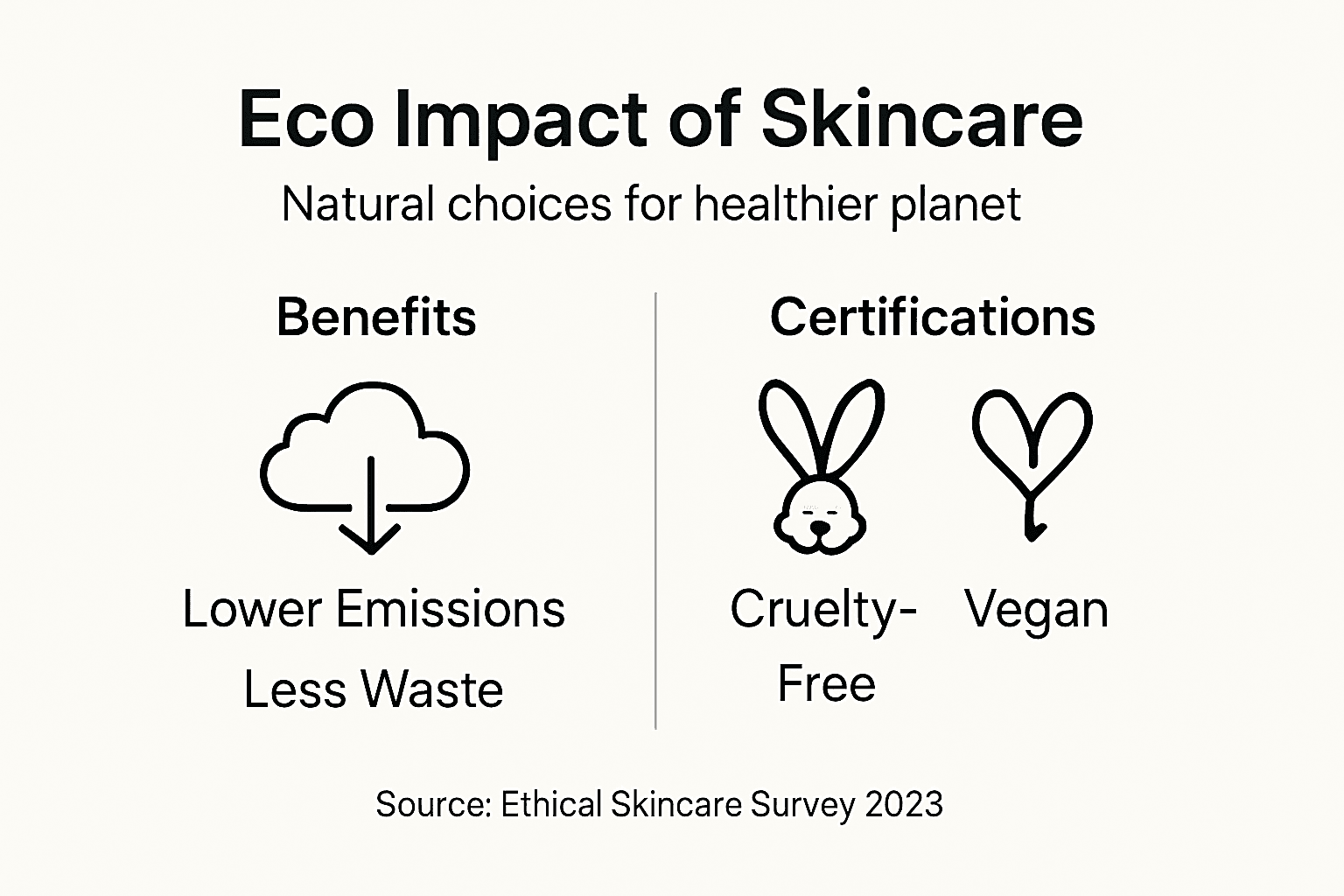
For entrepreneurs building their own natural skincare brands, embracing cruelty-free and eco-friendly practices creates a competitive advantage. Younger consumers, particularly those your age, actively choose brands aligned with their values. You’re willing to pay slightly more for products that don’t harm animals or degrade the environment. This preference translates into customer loyalty, positive word-of-mouth marketing, and authentic brand stories that resonate far more than traditional advertising. Brands that source ingredients ethically can tell compelling stories about the farmers and suppliers they work with, creating connections between customers and the origins of their skincare. When you’re transparent about your supply chain, certifications, and environmental commitments, you build trust that synthetic brands struggle to achieve. The regulatory landscape also favors this direction. European Union regulations increasingly restrict animal testing and require sustainable practices, and these standards are spreading globally. Getting ahead of these requirements positions natural skincare brands for long-term success.
Pro tip: Before purchasing, verify cruelty-free claims by checking product websites for specific certification logos rather than relying on marketing language alone, as some brands misuse terms like “not tested on animals” without official certification.
For easy reference, here’s a summary of major ethical certifications in natural skincare:
| Certification | What It Stands For | Common Logo Color | How To Verify |
|---|---|---|---|
| Leaping Bunny | Cruelty-free, no animal testing | Blue/white | Check certification site |
| Vegan Action | Animal-free ingredients | Green/black | Look for official seal |
| Choose Cruelty-Free | No animal testing & sources | Yellow/black | Review brand website |
| PETA Approved | No animal test, vegan possible | Pink/black | Official PETA listing |
Risks, Costs, and How to Avoid Pitfalls
Natural skincare sounds perfect on paper, but the reality involves legitimate challenges that deserve honest discussion. The first major risk involves contamination and safety concerns. Natural ingredients are derived from living organisms, which means they can harbor bacteria, fungi, and other microorganisms if not properly handled during harvesting, extraction, and storage. Unlike synthetic preservatives that eliminate virtually all microbial life, natural preservation systems like essential oils and plant extracts work more selectively, leaving room for contamination if formulation isn’t meticulous. Additionally, natural ingredients can contain allergens that synthetic alternatives don’t include. Someone with a pollen allergy might experience reactions to botanical extracts they wouldn’t get from lab-synthesized compounds. Safety assessments and rigorous toxicity testing protocols become critical, particularly for complex natural ingredients where interactions between multiple compounds aren’t fully understood. This is why you should never assume natural automatically means safer. A product might be natural but still cause irritation, sensitivity, or allergic reactions depending on your individual skin chemistry.
Cost represents another significant challenge. Quality natural skincare costs more than synthetic alternatives, period. This happens for concrete reasons: natural ingredients require careful sourcing, extraction costs are higher, shelf stability demands more sophisticated formulation work, and third-party testing for safety and efficacy adds expense. A high-quality natural moisturizer might cost 40 to 60 percent more than a conventional equivalent offering similar hydration benefits. For entrepreneurs developing their own brands, this pricing barrier affects market accessibility. You might create an ethically sourced, cruelty-free, vegan product that genuinely works better than competitors, but if your target audience can’t afford the price point, market penetration suffers. Understanding environmental and economic challenges in natural skincare production reveals that sustainable sourcing and ethical practices increase production costs, which necessarily translate to consumer prices. The trade-off involves choosing between affordability and alignment with values.
Packaging waste creates another pitfall that many overlook. While natural skincare brands promote sustainability, many still use plastic containers because glass and aluminum cost significantly more. Some companies greenwash their messaging by claiming eco-friendliness while shipping products in unnecessary plastic inserts and non-recyclable packaging. To avoid this trap, research actual packaging materials before purchasing. Look for glass, aluminum, or genuinely compostable materials rather than marketing language about sustainability. Another common pitfall involves unverified claims. Brands frequently make sweeping statements about natural ingredients that lack scientific backing. A product might claim to provide “complete anti-aging” when research supports only modest collagen stimulation. Read ingredient lists carefully, verify certifications, and check for third-party testing results rather than trusting brand websites alone. If a claim sounds too good to be true, it probably is.
Pro tip: Start by patch testing any new natural skincare product on a small section of skin (inner arm or behind your ear) for three days before applying to your face, as natural ingredients can trigger unexpected reactions even if you’ve tolerated other products.
Discover Lasting Benefits with Natural and Vegan Skincare Today
If you are looking to truly transform your skin while embracing the power of natural, vegan ingredients that promote hydration, antioxidant protection, and collagen production, start your skincare journey with our thoughtfully curated Skin Care Collection - Face, Body, Oils – Didis Beauty Center. Natural formulations are not just gentle but scientifically crafted to deliver long-term wellness for your skin and confidence.
Experience the difference that carefully sourced plant extracts and cruelty-free, eco-friendly products can make. Whether you are beginning your ritual or an entrepreneur ready to build your own brand, the Ready To Label Collection - Brightening Skin Care – Didis Beauty Center offers premium solutions that align with your values. Shop now at Didis Beauty Center to bring radiant, healthy skin within reach and join a community committed to ethical beauty practices.
Frequently Asked Questions
What are the benefits of using natural skincare products?
Natural skincare products provide antioxidant and anti-inflammatory protection, support collagen synthesis, enhance hydration, and strengthen the skin barrier. They promote long-term skin health and wellness without the use of synthetic chemicals.
Are natural skincare products always safer than synthetic ones?
Not necessarily. While natural ingredients are derived from plants and minerals, they can still cause allergic reactions or irritation. It’s essential to assess each ingredient individually and conduct patch tests when trying new products.
How often should I use natural skincare products to see results?
For meaningful changes, it’s recommended to use natural skincare products consistently for at least two to three months, as skin cells regenerate roughly every 28 days.
What distinguishes vegan skincare products from natural ones?
Vegan skincare products do not contain any animal-derived ingredients, while natural products may include substances like beeswax or lanolin. Vegan formulations focus on plant-based alternatives and often align with cruelty-free practices.
Recommended
- 7 Essential Eco-Friendly Beauty Tips for Natural Skincare – Didis Beauty Center
- 7 Essential Eco-Friendly Beauty Tips for Natural Skincare – Didis Beauty Center
- 7 Essential Skincare Formulations Every Brand Needs – Didis Beauty Center
- 7 Essential Skincare Formulations Every Brand Needs – Didis Beauty Center
- 7 Essential Natural Hair Care Products for Healthier Hair | MyHair
- Why most skin creams are a waste of money - The Aesthetics Room
- Top 7 Advanced Anti-Wrinkle Treatments in 2023 – Lumilux
Discourse (0)