


TL;DR:
- Eco-friendly beauty is now a significant market force, with consumers demanding concrete benefits over vague claims. Brands that adopt sustainable sourcing, packaging, and transparent practices gain competitive advantages, while greenwashing risks legal challenges. Success in this sector depends on authentic initiatives that reduce costs, enhance product quality, and foster community trust.
Eco-friendly beauty is not a niche marketing angle anymore. The role of eco-friendly trends has shifted from feel-good branding into a measurable force reshaping how products are developed, sold, and bought. Many consumers assume that “green” labels on skincare are just packaging strategy. The data tells a different story. From formulation choices to supply chain decisions, sustainability is now a business imperative with real financial stakes. This article breaks down what the numbers actually show, why consumers behave the way they do, and what it all means for anyone who buys or sells beauty products.
Table of Contents
- Key Takeaways
- The role of eco-friendly trends in beauty and skincare
- How consumers are driving this shift
- Business implications of eco-friendly trends
- Practical steps for consumers and entrepreneurs
- My honest take on where this is all heading
- Build your eco-friendly beauty brand with Didisbeautycenter
- FAQ
Key Takeaways
| Point | Details |
|---|---|
| Eco-friendly market share is surging | Sustainably marketed products now hold over 25% of CPG dollar share, growing nearly five times faster than conventional products. |
| Consumers prefer concrete claims | Shoppers pay more for “no harmful chemicals” than for abstract claims like “carbon neutral,” so specific benefits drive purchasing. |
| Price gaps create real barriers | Consumers will accept a 9% premium on average, but sustainable beauty products often cost 27% more, slowing adoption. |
| Greenwashing carries legal risk | Brands face growing litigation over unverified environmental claims, making transparent reporting non-negotiable. |
| Regenerative beauty raises the bar | The industry is moving beyond reducing harm toward actively restoring ecosystems, opening new opportunities for entrepreneurs. |
The role of eco-friendly trends in beauty and skincare
The beauty industry is one of the most resource-intensive consumer sectors on the planet. Packaging waste, synthetic ingredients, and carbon-heavy supply chains have drawn scrutiny for years. What changed recently is the consumer response. People are no longer passively reading labels. They are researching ingredients, demanding certifications, and switching brands based on environmental values.
Eco-friendly trends in this space cover several overlapping areas:
- Sustainable sourcing: Ingredients derived without deforestation, over-harvesting, or exploitative labor
- Clean formulations: Products free from parabens, sulfates, and synthetic fragrances, with transparent ingredient lists
- Packaging innovation: Refillable containers, compostable wrapping, and reduced plastic across the supply chain
- Cruelty-free and vegan standards: Eliminating animal testing and animal-derived ingredients
- Carbon and water footprint reduction: Manufacturing practices that minimize environmental damage
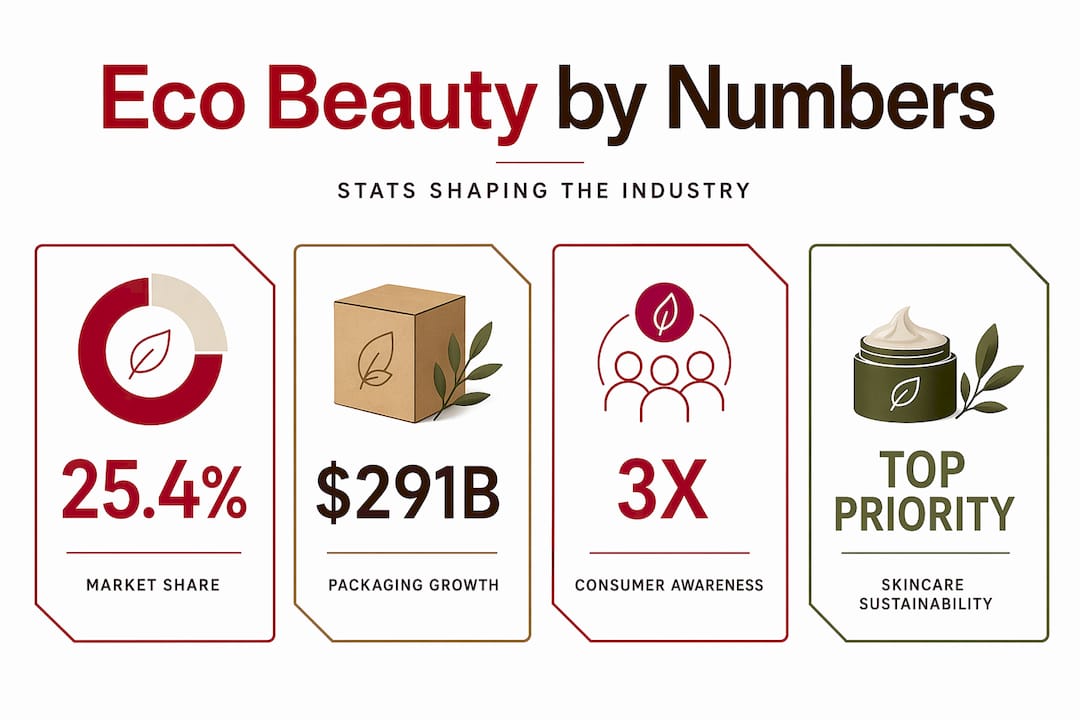
The market numbers behind these trends are striking. Sustainably marketed products captured 25.4% of CPG dollar share in 2025, growing from just 14.6% in 2013, at a compound growth rate of 10.9% compared to 2.2% for conventional products. That gap is widening, not narrowing.
Packaging alone reflects the scale of the shift. The global eco-friendly packaging market is projected to grow from $291.3 billion in 2025 to $586.6 billion by 2035, at a CAGR of 6.6%. For beauty brands, this is not a peripheral concern. Packaging is often the first and most visible signal of a brand’s environmental values. Brands like Didisbeautycenter have already built their identity around natural packaging choices that align formulation quality with exterior presentation.

The importance of eco-friendly practices has moved from optional to expected, especially in skincare where what goes on your skin is as personal as what you eat.
How consumers are driving this shift
Understanding why people buy green beauty products matters more than understanding what they buy. The motivations are layered, and they do not always match what brands assume.
The most powerful insight from recent research is that consumers respond to personal, tangible benefits far more than abstract environmental claims. Shoppers pay 11.2% more for products labeled “no harmful chemicals” but only 6.8% more for “carbon neutral” claims. That gap reveals something important: consumers are making decisions based on what the product does for their body first, and for the planet second. This does not mean environmental values are absent. It means that marketing must connect those values to something the buyer can feel.
Generational differences play a role here too. Gen Y and Gen Z consumers are more likely to research brand ethics before purchasing and to factor those findings into loyalty decisions. Corporate communication directly shapes this behavior. Brands that share clear, credible information about their sourcing and ingredient decisions build green product knowledge among their customers, which then increases purchase intent and repeat buying.
However, there is a well-documented gap between what consumers say and what they do. The average willingness to pay a premium for sustainability features is 9%, while actual sustainable product premiums average 27%. That mismatch explains why some consumers express strong environmental values and then choose the cheaper conventional option at checkout.
Here is what the role of sustainability in consumer choices actually comes down to: accessibility, authenticity, and education. When brands lower the price barrier, back their claims with verifiable data, and communicate clearly, conversion rates improve significantly.
Pro Tip: If you are building a skincare brand, lead your marketing with ingredient-level benefits rather than broad eco-labels. “Free from sulfates and synthetic fragrance” will outperform “eco-friendly” as a conversion driver in nearly every test.
The importance of eco-friendly practices also varies by product category. Consumers rank sustainability as a top priority for produce at 86%, dropping to 74% for beverages and 71% for snacks. Beauty sits in a similar middle tier, where eco concerns matter but compete with efficacy, scent, texture, and price. Knowing this helps brands calibrate their messaging rather than over-invest in environmental positioning at the expense of product performance communication.
Business implications of eco-friendly trends
The impact of sustainable trends on beauty businesses runs deeper than marketing copy. Brands that have embedded sustainability into their operations are discovering competitive advantages that have nothing to do with consumer perception.
Supply chain resilience is one of the most underappreciated benefits of green initiatives. Market volatility driven by energy cost spikes and geopolitical disruptions has made diversified, ethically sourced supply chains more stable than conventional ones. Brands relying on synthetic petrochemical ingredients face unpredictable cost swings. Brands built on plant-based and naturally derived ingredients have more sourcing flexibility.
The regulatory environment is tightening too. Greenwashing scrutiny has reached litigation levels in several markets, with companies facing legal challenges over unverified environmental claims. This means that how eco-friendly trends influence business now includes legal risk management, not just brand reputation.
Here is how brands can operationalize sustainability without losing profitability:
- Audit ingredient sourcing first. Know where every raw material comes from before making public sustainability claims. Traceability is your legal and reputational defense.
- Invest in certified packaging. Third-party certifications for biodegradable or recycled packaging carry far more credibility than self-made claims.
- Build circular economy thinking into product design. Refillable formats, concentrated formulas, and minimal secondary packaging cut long-term costs while reducing waste.
- Use verified reporting standards. Align environmental disclosures with recognized frameworks to reduce greenwashing risk and build investor confidence.
- Segment your sustainability messaging. Luxury buyers respond to regenerative and restoration narratives. Mass-market buyers need accessible price points paired with clear health benefits.
Sustainability as competitive edge is no longer theoretical. Major beauty and fashion players are treating it as a core risk mitigation strategy, recognizing that brands without credible eco credentials face a shrinking addressable market as younger consumers age into their peak spending years.
Pro Tip: Do not wait for your entire supply chain to be perfect before communicating progress. Transparent, honest updates about your sustainability journey build more trust than silence followed by a polished certification announcement.
Practical steps for consumers and entrepreneurs
Whether you are shopping for your own skincare routine or building a brand, the eco-friendly lifestyle trends of 2026 offer clear guidance if you know how to read them.
For consumers looking to buy smarter:
- Look for certifications from recognized bodies like COSMOS, EWG Verified, or Leaping Bunny rather than relying on brand-created labels
- Prioritize ingredient transparency. Brands that publish full ingredient sourcing information are more likely to back their claims
- Check packaging claims against third-party recycling guides. “Recyclable” varies significantly by local infrastructure
- Support brands with refill programs. This is one of the most direct ways your purchasing decision reduces plastic waste
For entrepreneurs, the eco-conscious brand building opportunity has never been more defined. Consumers are actively seeking alternatives to legacy brands, and smaller, values-driven companies have an authenticity advantage that large corporations struggle to replicate.
The emerging trend you need to know about is regenerative beauty. Where sustainability aims to do less harm, regenerative beauty actively restores ecosystems, supports farming communities, and rebuilds biodiversity through ingredient sourcing. The beauty industry’s shift toward a regenerative mindset moves the bar from “doing less harm” to “actively restoring.” Brands that position themselves here early will define the next decade of premium skincare.
Staying current on trends promoting environmental awareness requires reading beyond trade press. Follow ingredient suppliers, watch packaging innovation from adjacent industries, and pay attention to regulatory proposals in the EU and California, which tend to set global standards.
Pro Tip: When evaluating a new eco-friendly product line, read the “About” and sourcing pages before the product descriptions. Brands with clear supplier relationships and sourcing stories are far less likely to be greenwashing than those with vague “clean beauty” positioning and no substance behind it.
My honest take on where this is all heading
I have watched this industry long enough to see eco-friendly beauty go from fringe to mainstream, and I will be honest: not all of it has been genuine. The greenwashing wave was real, and it created legitimate consumer skepticism that brands are still paying for today.
What I find genuinely encouraging now is that the intention-behavior gap is starting to close. Not because consumers have become more idealistic, but because eco-friendly products have gotten better. The performance gap between natural and synthetic formulations has narrowed dramatically. When a vegan face serum works as well as a conventional one and costs comparably, the choice becomes easy.
I am also struck by how the green beauty market has shifted the power dynamic between brands and buyers. Consumers today have more tools to verify claims than they did five years ago. That accountability is healthy. It forces brands to build actual substance behind their positioning rather than coasting on aesthetic branding.
My perspective is that the brands which will win the next decade are not the ones with the most eco certifications. They are the ones whose sustainability practices genuinely reduce cost, improve product quality, and build community. That combination is rare. But when it exists, it creates loyalty that no advertising budget can manufacture.
— Gloria
Build your eco-friendly beauty brand with Didisbeautycenter
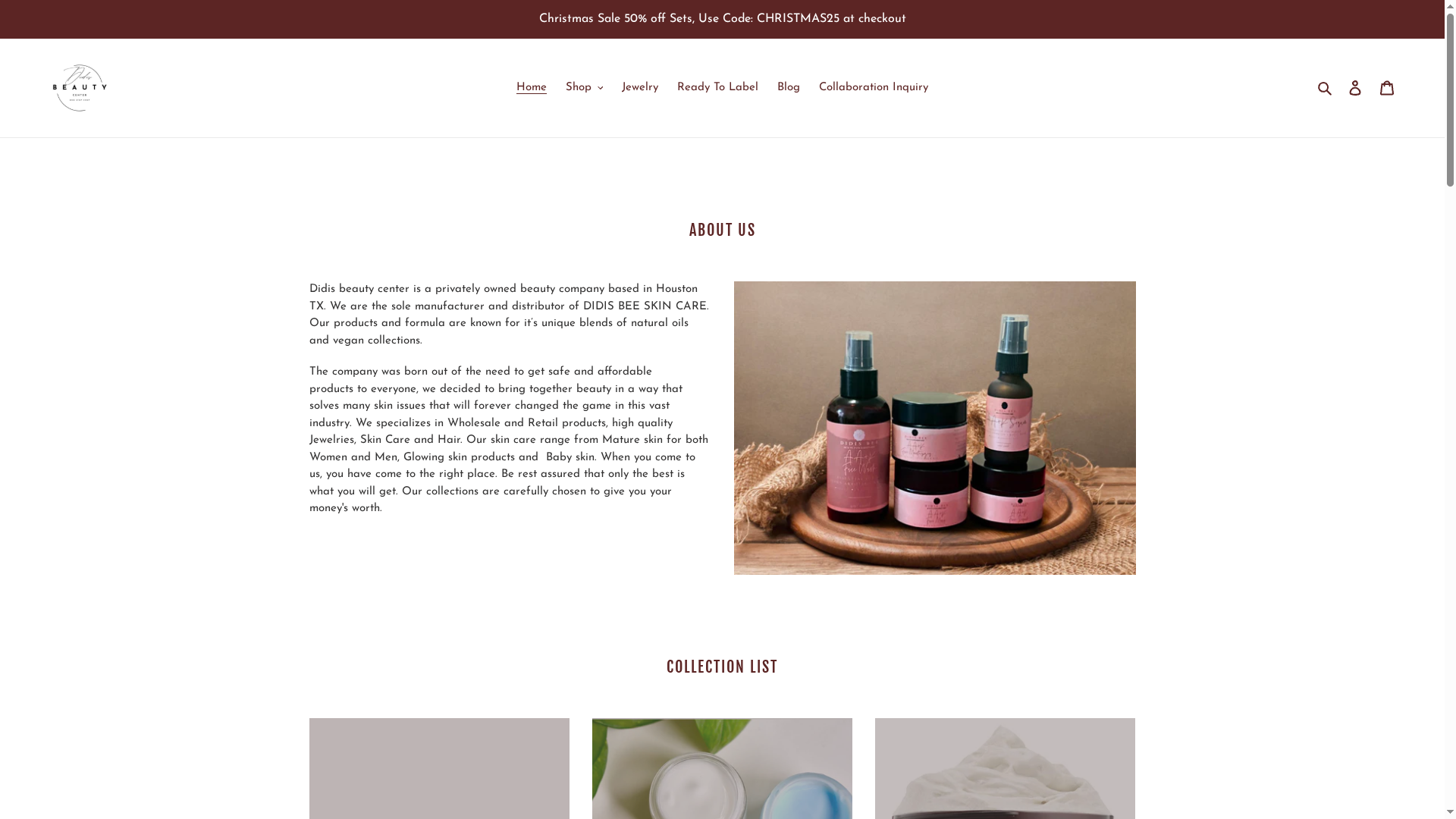
If you are an entrepreneur looking to enter the sustainable beauty market, starting with the right formulation and packaging partner changes everything. Didisbeautycenter offers private label services designed for entrepreneurs who want to launch natural, vegan skincare products without compromise. Their ready-to-label product lines use clean, transparent ingredient lists with eco-conscious packaging options that meet the expectations of today’s informed buyers. You get the formulation quality of an established brand with the flexibility to build your own identity. For anyone serious about building in the sustainable beauty space, this is a practical place to start.
FAQ
What is the role of eco-friendly trends in beauty?
Eco-friendly trends in beauty drive formulation changes, packaging innovation, and ingredient sourcing decisions across the industry. They are shaping how brands compete and how consumers choose products.
Why do consumers pay more for some eco claims than others?
Consumers pay more for concrete claims like “no harmful chemicals” than for abstract ones like “carbon neutral” because personal health benefits feel more immediate and verifiable than environmental metrics.
How can I spot greenwashing in skincare products?
Look for third-party certifications, publicly available ingredient sourcing information, and specific environmental commitments rather than vague terms like “natural” or “eco-friendly” with no supporting evidence.
Are eco-friendly beauty products actually better for your skin?
Many are, particularly those free from synthetic fragrances, parabens, and sulfates that are linked to skin sensitivity. However, efficacy depends on formulation quality, not the eco label alone.
How do eco-friendly trends influence business in the beauty industry?
They drive supply chain restructuring, create regulatory compliance requirements, and open market segmentation opportunities, particularly for brands that can combine sustainable credentials with competitive pricing and genuine product performance.
Discourse (0)