


Choosing skincare that aligns with your values can be challenging when more than sixty percent of American beauty consumers now seek cruelty-free products. Clear knowledge of trusted certification labels and ethical practices matters whether you are a global shopper aiming for safer routines or an entrepreneur sourcing sustainable ingredients. This guide highlights practical steps for finding authentic cruelty-free skincare while supporting transparent and responsible brands.
Table of Contents
- Step 1: Identify Trusted Cruelty-Free Certification Labels
- Step 2: Check Product Ingredients for Animal-Derived Components
- Step 3: Research Brand Commitments to Cruelty-Free Practices
- Step 4: Verify Claims Through Independent Resources
- Step 5: Select and Test Cruelty-Free Products for Results
Quick Summary
| Key Insight | Explanation |
|---|---|
| 1. Identify Reliable Certifications | Recognize trusted cruelty-free labels like Leaping Bunny and PETA to ensure ethical product selections. |
| 2. Check Ingredients for Animal Products | Scrutinize ingredient lists for hidden animal-derived components to maintain a truly cruelty-free routine. |
| 3. Research Brand Commitments | Thoroughly evaluate a brand’s practices through independent sources to validate their cruelty-free claims. |
| 4. Utilize Independent Verification Resources | Consult reputable databases and consumer guides to distinguish between genuine and misleading cruelty-free claims. |
| 5. Test Products for Performance | Conduct patch tests and track your skin’s responses to ensure chosen cruelty-free products meet your skincare needs. |
Step 1: Identify Trusted Cruelty-Free Certification Labels
Learning to recognize legitimate cruelty-free certification labels is key to making compassionate skincare choices. Consumers can confidently select products by understanding what makes a certification trustworthy and authentic.
When evaluating cruelty-free labels, look for globally recognized certifications like the NSF Cruelty-Free Certification, which provides a rigorous standard across multiple product categories. These certifications typically guarantee that no animal testing occurred during any stage of product development or manufacturing. Some top labels to watch for include Leaping Bunny, PETA Cruelty-Free, and the NSF certification, each with slightly different verification processes.
Carefully examine the certification details beyond just the logo. Authentic labels will specify whether their standards cover only the final product or extend to ingredient sourcing and international markets. Reputable certifications often require detailed documentation and may conduct periodic audits to maintain their seal of approval.
Here’s a quick comparison of major cruelty-free certification labels and what sets them apart:
| Certification Label | Scope of Verification | Typical Requirements |
|---|---|---|
| Leaping Bunny | Global brands & ingredients | Supplier monitoring, audits |
| PETA Cruelty-Free | Product and claims | Company statement, screening |
| NSF Cruelty-Free | All stages & regions | Ingredient tracing, audits |
Pro tip: Keep a digital screenshot or bookmark of recognized cruelty-free certification logos to quickly verify product claims while shopping online or in stores.
Step 2: Check Product Ingredients for Animal-Derived Components
Identifying animal-derived ingredients is crucial for maintaining a truly cruelty-free skincare routine. Understanding what to look for can help you make ethical and compassionate product choices.
Navigating ingredient lists requires careful attention to hidden animal-derived substances. Common animal-origin ingredients you should watch for include beeswax, lanolin, carmine, collagen, gelatin, and silk proteins. These components frequently appear in cosmetics without clear labeling, making ingredient scrutiny essential. Pay close attention to scientific names like cochineal extract (carmine), which comes from crushed insects, or cholesterol derived from animal sources.
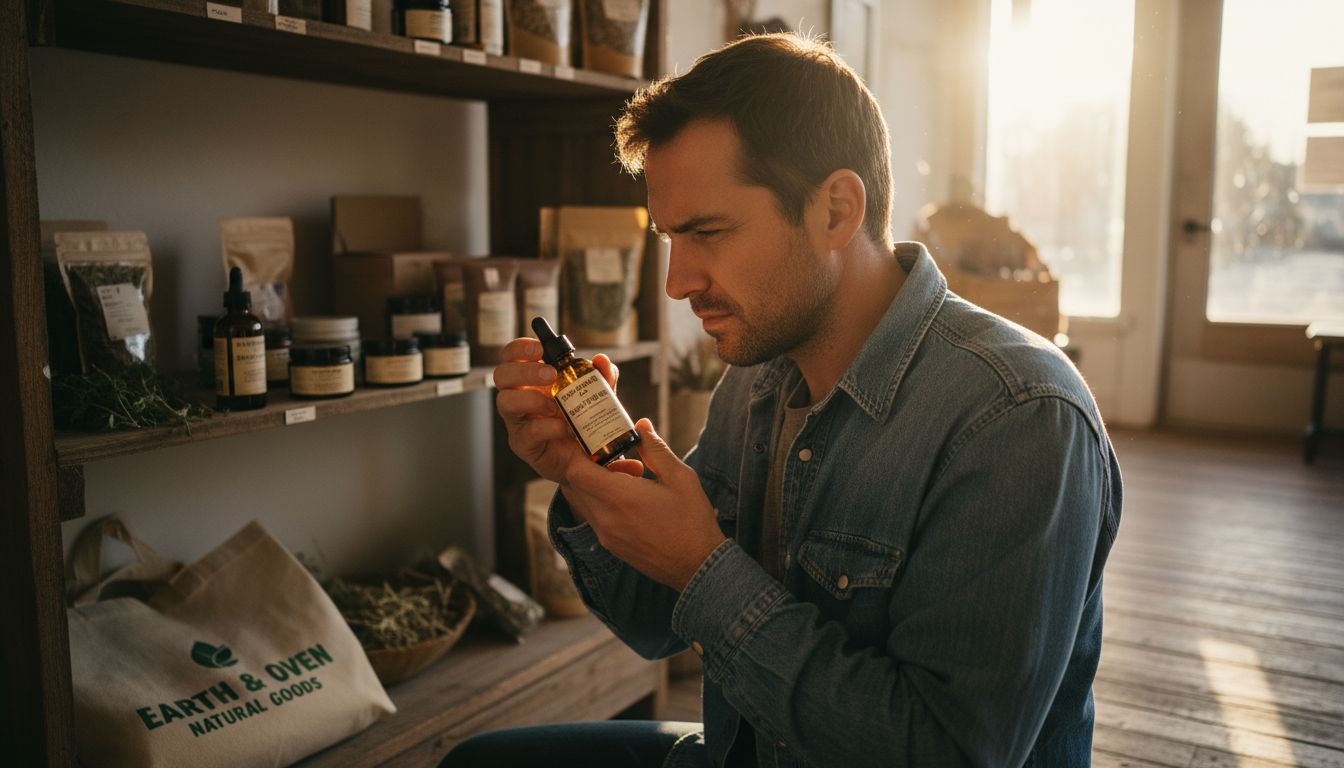
Beyond visual inspection, consider using smartphone apps or online databases that help decode complex ingredient lists. Look for terms like tallow, keratin, shellac, and albumen that indicate animal-derived origins. When in doubt, contact the manufacturer directly to confirm the source of specific ingredients. Some brands now offer transparent ingredient breakdowns that explicitly state whether components are plant or animal based.
This reference table helps you identify common animal-derived ingredients and their typical sources:
| Ingredient | Source Animal/Product | Common Product Uses |
|---|---|---|
| Beeswax | Bees | Lip balms, lotions |
| Lanolin | Sheep wool | Moisturizers, creams |
| Carmine | Cochineal insects | Lipsticks, blushes |
| Gelatin | Animal bones/skin | Capsules, masks |
| Silk proteins | Silkworms | Serums, conditioners |
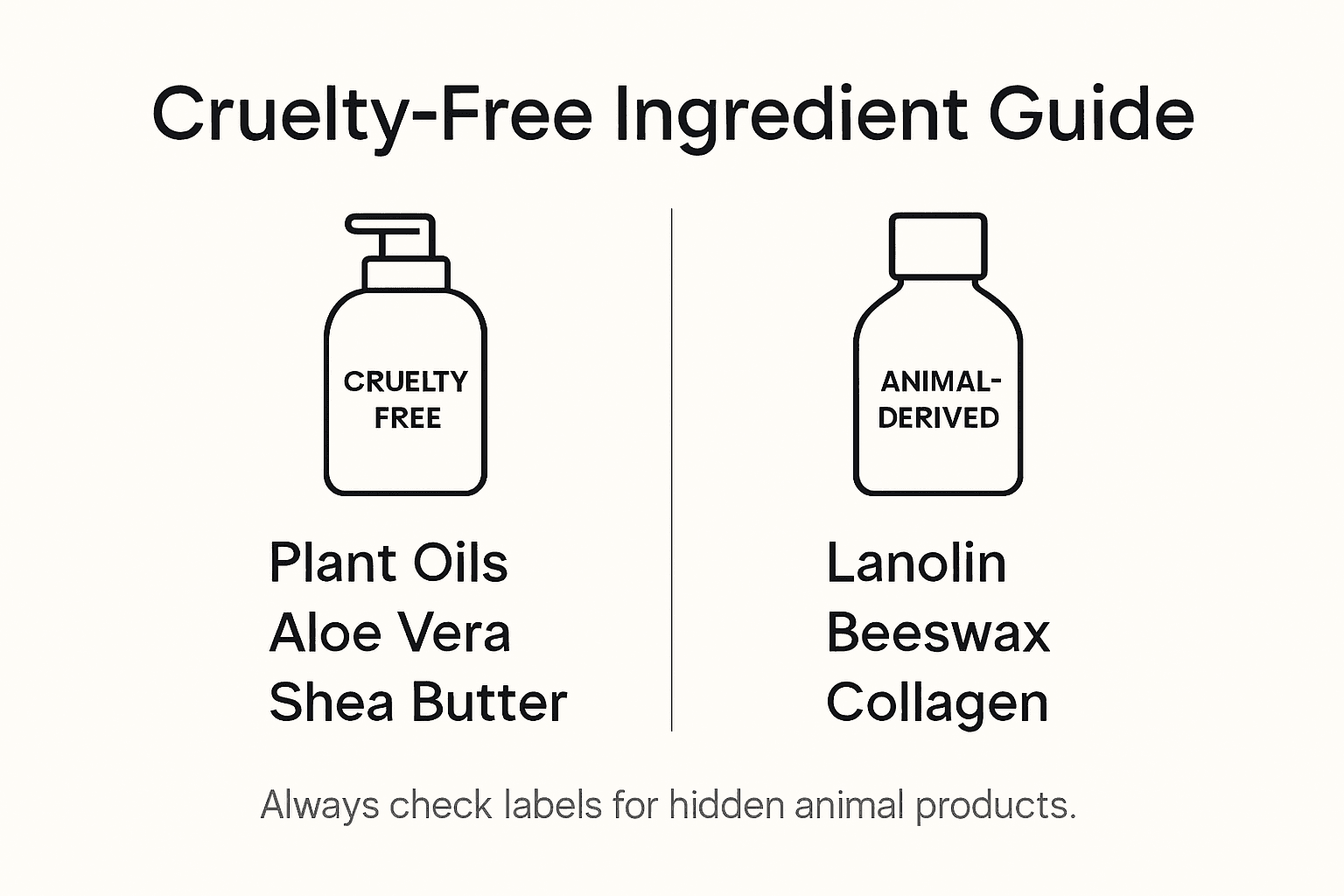
Pro tip: Create a personal reference list of animal-derived ingredient names to quickly cross-check while shopping, helping you make informed cruelty-free purchases.
Step 3: Research Brand Commitments to Cruelty-Free Practices
Determining a brand’s genuine commitment to cruelty-free practices requires more than just surface-level investigation. You will learn how to thoroughly evaluate a company’s ethical standards and animal welfare policies.
Start by examining brand commitments through recognized advocacy organizations that track and validate cruelty-free practices. These organizations provide comprehensive insights into which brands truly demonstrate ethical production standards. Look for companies that have been certified by reputable third-party organizations like Cruelty Free International, which rigorously verify that no animal testing occurs at any stage of product development. Pay special attention to brands that transparently communicate their supply chain practices, including ingredient sourcing and manufacturing processes.
Deep research involves checking multiple sources beyond marketing claims. Review the brand’s official website, look for detailed sustainability reports, investigate their international market practices particularly in regions with different animal testing regulations, and cross reference their claims with independent certification databases. Some brands might claim cruelty-free status in one market while conducting testing in another, so comprehensive verification is key.
Pro tip: Create a digital spreadsheet tracking brands with verified cruelty-free certifications to simplify your shopping research and make ethical purchasing decisions faster.
Step 4: Verify Claims Through Independent Resources
Navigating the world of cruelty-free claims requires strategic research and access to reliable verification sources. Your goal is to become a savvy consumer who can confidently distinguish between genuine ethical practices and marketing rhetoric.
Start by consulting comprehensive consumer guides that track authentic cruelty-free certifications, which provide independent verification of brand claims. These resources compile detailed lists of brands that have undergone rigorous scrutiny, helping you identify truly ethical companies. Pay special attention to databases maintained by reputable animal welfare organizations, which often provide the most up-to-date and comprehensive information. Cross-reference brand claims across multiple independent platforms, looking for consistent verification and transparency in their animal testing policies.
Expand your verification process by exploring multiple channels. Check international certification databases, review reports from animal rights organizations, examine third-party audit results, and investigate a brand’s practices in different global markets. Look for brands that provide detailed documentation about their supply chain and ingredient sourcing. Some organizations offer smartphone apps and online tools that can instantly verify a brand’s cruelty-free status, making research more accessible and convenient.
Pro tip: Bookmark a collection of trusted independent verification websites to streamline your research and quickly validate cruelty-free claims across different brands.
Step 5: Select and Test Cruelty-Free Products for Results
Confident cruelty-free shoppers understand that ethical choices do not mean compromising on skincare performance. Your goal is to find products that align with your values while delivering exceptional results for your unique skin needs.
Begin by carefully evaluating product performance alongside ethical considerations, understanding that certification alone does not guarantee optimal skincare outcomes. Approach product selection systematically by first identifying your specific skin concerns such as hydration, aging, acne control, or sensitivity. Select a small range of cruelty-free products that target your primary skincare objectives and conduct a personal patch test to assess compatibility and effectiveness.
Develop a structured testing approach for new products. Start with a two-week trial period, documenting your skin’s response through daily observations and photographs. Look for tangible improvements in skin texture, hydration, and overall appearance. Pay attention to how your skin reacts during the initial days of product use, noting any potential irritation or unexpected benefits. Remember that individual skin responses vary, so patience and careful observation are crucial in determining whether a cruelty-free product truly meets your skincare needs.
Pro tip: Create a simple skincare journal to track product performance, recording daily observations to help you make informed decisions about which cruelty-free products work best for your skin.
Choose Cruelty-Free Naturally with Confidence and Care
Navigating the world of cruelty-free skincare can feel overwhelming when you want products free from animal testing and animal-derived ingredients. This article highlights the importance of identifying trusted certification labels and understanding ingredient sources to empower your ethical skincare journey. If you are looking for effective, natural solutions that align with your compassionate values, focusing on proven cruelty-free products will ensure that your skin thrives without compromise.
Discover a carefully curated selection of gentle yet powerful Soaps – Didis Beauty Center crafted with natural, vegan ingredients that support your commitment to cruelty-free care.
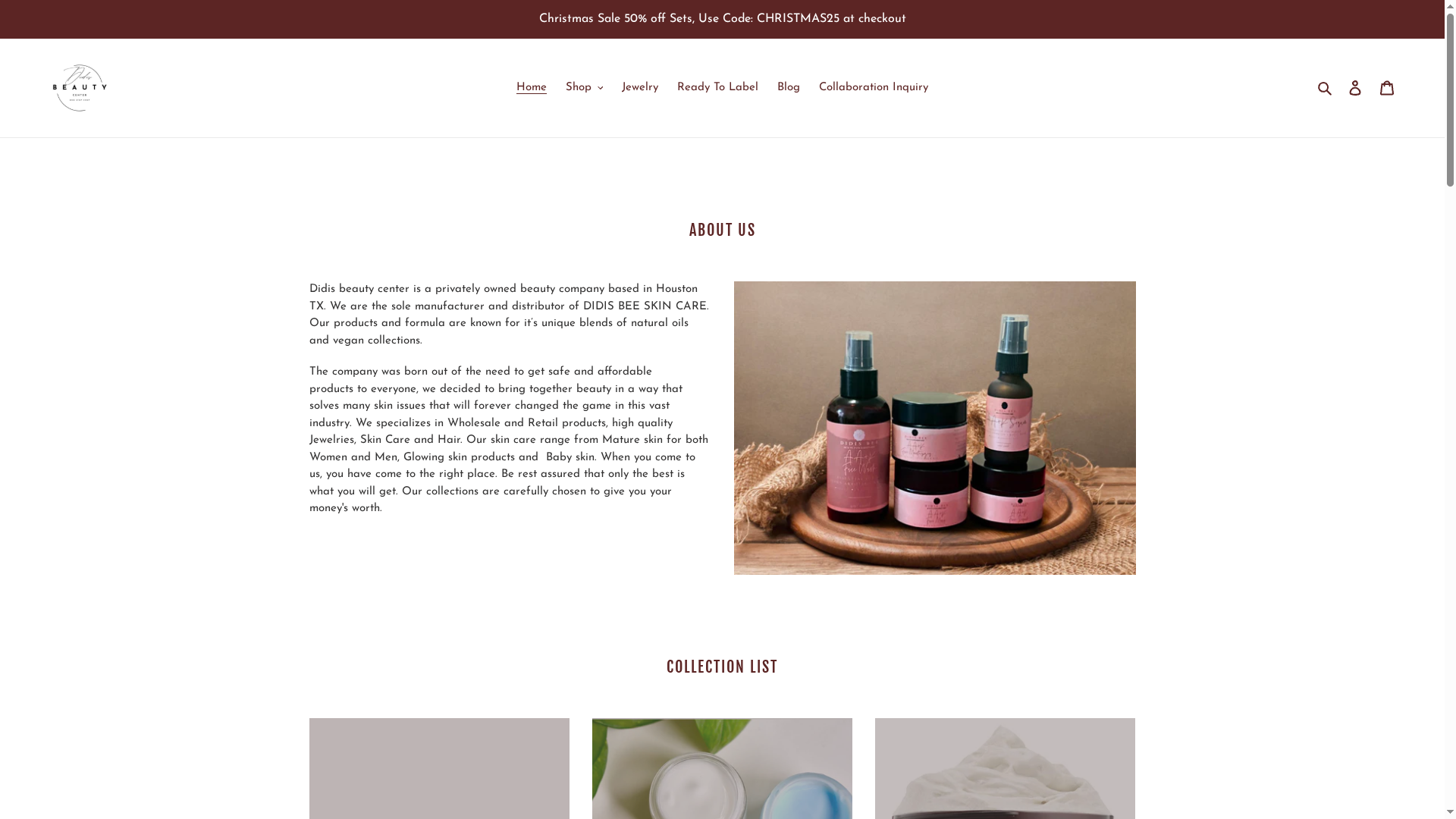
Start transforming your skincare routine today and experience the benefits of products made with transparency and integrity. Visit Didis Beauty Center to explore our full range of quality options including our Beauty example products – Didis Beauty Center designed to meet your skin’s needs while honoring ethical beauty standards. Make your next skincare purchase a confident step toward sustainability and kindness.
Frequently Asked Questions
How can I identify trusted cruelty-free certification labels?
To identify trusted cruelty-free certification labels, look for globally recognized seals such as Leaping Bunny, PETA Cruelty-Free, and NSF Cruelty-Free. Examine the certification details to ensure they cover all stages of product development, and keep a digital screenshot of these logos for easy reference while shopping.
What should I look for when checking product ingredients for animal-derived components?
When checking product ingredients, be aware of common animal-derived substances like beeswax, lanolin, and carmine. Create a personal reference list of these ingredients to help you quickly cross-check while browsing products, allowing you to make informed choices.
How can I research a brand’s commitment to cruelty-free practices?
To research a brand’s commitment to cruelty-free practices, examine their official website and look for certification through recognized animal welfare organizations. Maintain a digital spreadsheet of brands with verified cruelty-free statuses to streamline your future shopping efforts.
What steps can I take to verify cruelty-free claims?
To verify cruelty-free claims, consult independent consumer guides and databases that track authentic certifications. Cross-reference brand information across multiple resources to ensure accuracy, helping you distinguish between genuine ethical practices and marketing claims.
How do I select and test cruelty-free products for effective results?
When selecting cruelty-free products, first identify your specific skin concerns and choose a few targeted products for a trial period. Document your skin’s response throughout a two-week testing phase, noting any improvements or irritations to determine which products best suit your needs.
Can ethical skincare products deliver effective results?
Yes, ethical skincare products can deliver effective results. Approach your selection by evaluating performance alongside cruelty-free certifications, ensuring that you find products that work well for your skin while aligning with your values.
Recommended
- 7 Essential Eco-Friendly Beauty Tips for Natural Skincare – Didis Beauty Center
- 7 Essential Eco-Friendly Beauty Tips for Natural Skincare – Didis Beauty Center
- 7 Inspiring Cruelty-Free Skincare Examples for Beginners – Didis Beauty Center
- 7 Inspiring Cruelty-Free Skincare Examples for Beginners – Didis Beauty Center
Discourse (0)