


Choosing skincare that aligns with your values can feel daunting when so many labels promise more than they deliver. Ethical beauty means looking past trendy words to understand how products are truly made. This topic matters because ethical choices in skincare influence both the health of your skin and the world around you. Discover how ethical beauty supports fairness, protects nature, and opens opportunities for real change in the industry.
Table of Contents
- Defining Ethical Beauty In Modern Skincare
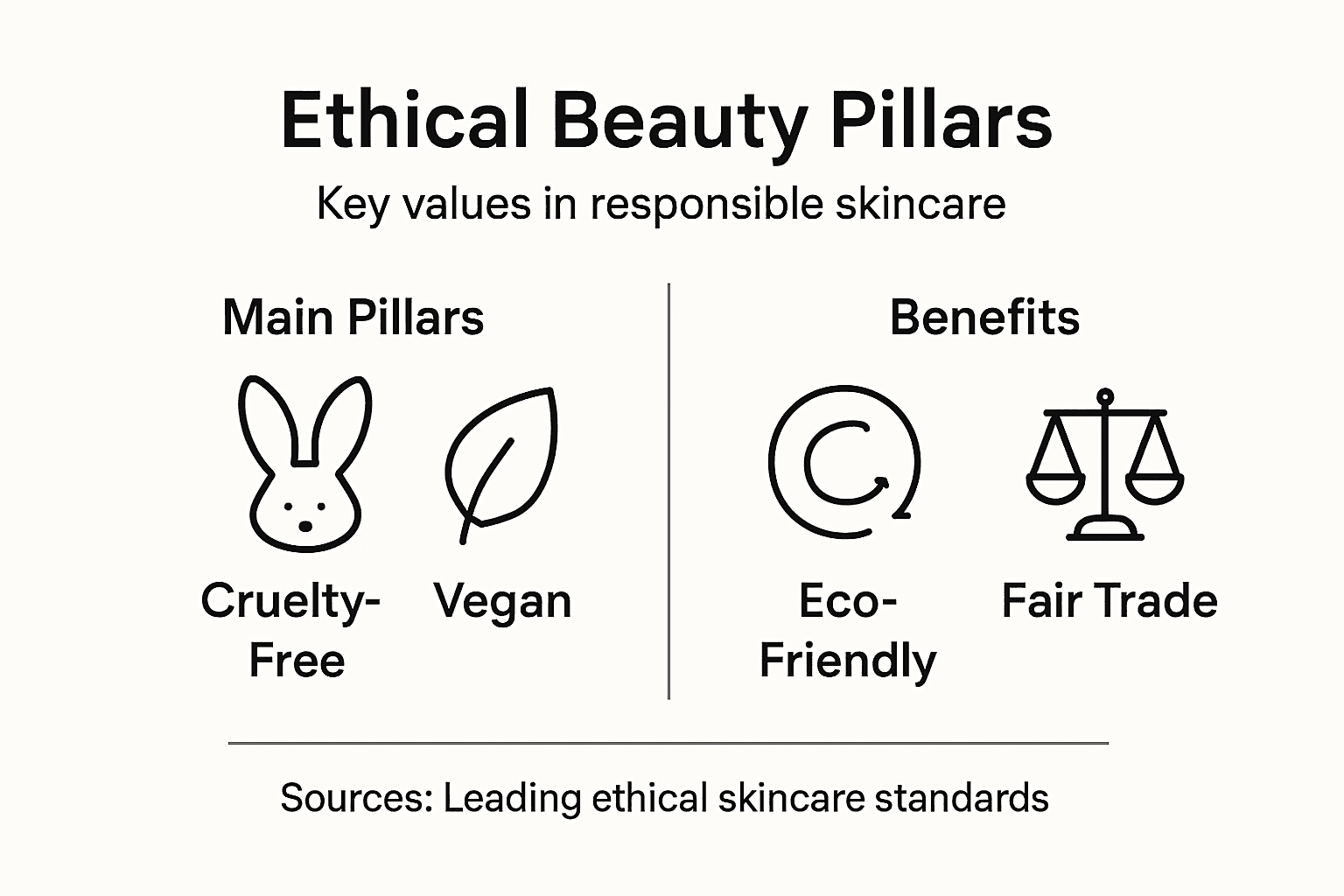
- Main Pillars: Cruelty-Free, Vegan, Fair Trade
- Ethical Beauty Vs. Greenwashing Myths
- Certifications And Recognizable Standards
- How Consumers And Brands Can Drive Change
Key Takeaways
| Point | Details |
|---|---|
| Understanding Ethical Beauty | Ethical beauty encompasses environmental responsibility, social fairness, and ingredient integrity, which consumers should prioritize when selecting products. |
| Recognizing Certifications | Authentic certifications, like Leaping Bunny and Fairtrade, provide credibility and accountability, helping consumers avoid greenwashing. |
| Consumer Influence | Consumer choices and preferences drive market demand for ethical products, encouraging brands to adopt more responsible practices. |
| Building with Integrity | Entrepreneurs should build their beauty brands on ethical principles from the start to meet growing consumer expectations and avoid the need for rebranding later. |
Defining Ethical Beauty in Modern Skincare
Ethical beauty is not a single product or practice. It’s a way of thinking about what goes on your skin and what that choice means for people and the planet. At its core, ethical beauty means choosing skincare products created with transparency, integrity, and responsibility at every stage. From ingredient sourcing to packaging disposal, ethical beauty asks one simple question: Who benefits, and who pays the real cost?
Modern skincare exists in a complicated landscape shaped by centuries of beauty standards and recent market forces. Social media’s impact on skincare trends has accelerated consumer demand for products that deliver visible results, but this demand has also created pressure for companies to prioritize profits over principles. The contemporary ethical beauty movement emerged as a direct response to this tension. Consumers began asking harder questions: Where do the ingredients come from? Are workers paid fairly? Is the packaging recyclable? Are animals harmed in testing? These questions define what ethical beauty means today. Unlike traditional skincare, which focuses solely on efficacy and aesthetics, ethical beauty integrates values into every purchasing decision.
Three core pillars support genuine ethical beauty. Environmental responsibility ensures that skincare production and packaging minimize harm to ecosystems, from ingredient farming to final disposal. Social fairness guarantees that everyone involved in production, from farmers to factory workers, receives fair compensation and works in safe conditions. Ingredient integrity demands transparency about what’s inside the bottle, sourcing practices, and what’s deliberately excluded, such as synthetic chemicals or animal-derived components. When you choose an ethical product, you’re choosing one that meets standards across all three areas, not just one or two. For eco-conscious consumers and aspiring beauty entrepreneurs, understanding these pillars helps you identify which brands actually walk the walk versus those using ethical-sounding language as marketing.
The rise of ethical beauty reflects shifting values in how people define beauty itself. Ethical beauty encompasses fair trade principles that support farming communities and ensure ingredients are sourced sustainably. What makes this different from greenwashing is accountability. Real ethical brands provide certifications from third-party organizations, publish ingredient sourcing information, and measure their environmental impact. They also recognize that natural ingredients aren’t automatically ethical if workers harvesting them face exploitation or if monoculture farming depletes soil health. This nuance matters tremendously. A shea butter product looks natural on the label, but without fair trade certification, the farmers producing it may struggle with poverty despite global demand. Ethical beauty demands you look beyond marketing language and examine the actual systems supporting production.
For aspiring entrepreneurs entering the beauty space, understanding ethical beauty standards early shapes everything you build. You’ll decide whether to offer private label options using ethical formulations, create your own line using transparent ingredient sourcing, or focus on specific values like vegan formulations or zero waste packaging. Didis Beauty Center supports entrepreneurs with ready-to-label packs featuring natural, vegan formulations, allowing you to launch with integrity built in from day one. Starting with an ethical foundation means you won’t need to rebrand or change practices later as consumer values shift. You’re not just selling skincare. You’re participating in a larger movement toward beauty that respects both human and planetary health.
Pro tip: When evaluating whether a brand is truly ethical, request their ingredient sourcing documentation and third-party certifications rather than relying on marketing claims alone. Most authentic ethical brands openly provide this information.
Main Pillars: Cruelty-Free, Vegan, Fair Trade
Ethical beauty rests on three distinct pillars that work together to create products you can feel good about using. These are not interchangeable concepts, and understanding what each one actually means protects you from greenwashing and helps you make informed choices. Cruelty-free, vegan, and fair trade each address different aspects of the beauty supply chain, and a truly ethical product ideally incorporates all three.
Cruelty-Free: No Animal Testing
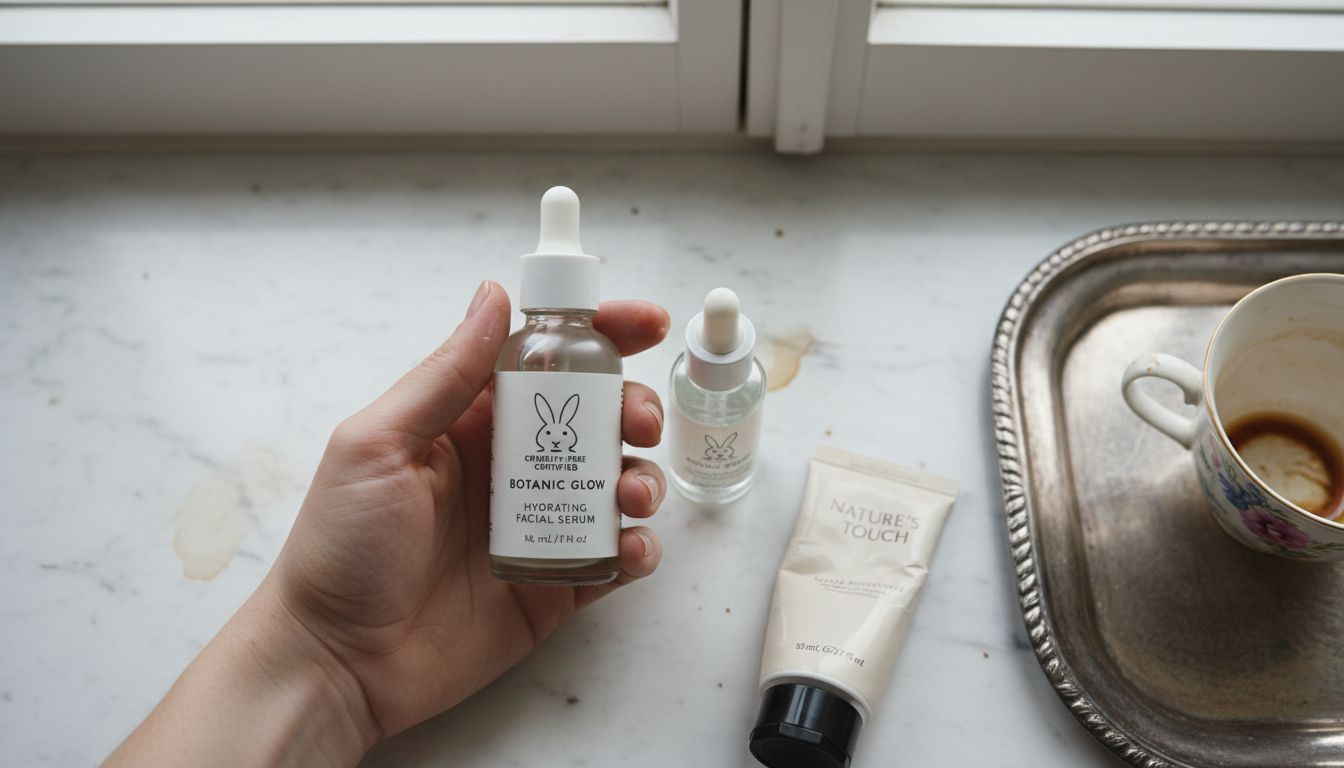
Cruelty-free means no animals were harmed during product development or ingredient testing. This seems straightforward until you realize that regulatory agencies in some countries still require animal testing for cosmetics. Independent audits verify cruelty-free standards across supply chains to ensure no hidden testing occurred at any stage of production. A cruelty-free certification from recognized organizations like Cruelty Free International goes beyond what laws require. These certifications conduct regular inspections, verify that suppliers meet standards, and investigate the entire ingredient sourcing chain. The key distinction here matters: a product might be “not tested on animals” in the final stages but still contain ingredients tested on animals years ago or elsewhere in the supply chain. Real cruelty-free certification eliminates this ambiguity. For eco-conscious consumers, choosing genuinely cruelty-free tested beauty products means supporting companies that reject animal testing completely, which drives industry-wide change as demand shifts supply decisions.
Vegan: No Animal-Derived Ingredients
Vegan skincare contains zero animal-derived ingredients. This includes obvious ones like beeswax, lanolin (from sheep’s wool), and carmine (crushed insects for red pigment), but also sneaky additions like squalane sourced from shark liver oil or certain types of vitamin D from animal sources. Vegan and cruelty-free certifications guarantee different standards, and understanding the difference prevents confusion when shopping. A product can be cruelty-free but contain beeswax, making it non-vegan. Conversely, a vegan product might use synthetic alternatives that don’t address animal testing concerns. For aspiring beauty entrepreneurs building brands with natural, vegan formulations, this distinction shapes your entire product line. Vegan options exclude animal agriculture entirely, which reduces environmental impact beyond just eliminating testing. You avoid supporting industries that often contribute to deforestation, water depletion, and greenhouse gas emissions. Didis Beauty Center offers ready-to-label packs featuring vegan formulations, allowing you to launch products aligned with values that matter to increasingly conscious consumers.
Fair Trade: Supporting Farming Communities
Fair trade ensures that farmers and workers involved in ingredient production receive fair compensation and work in safe conditions. Shea butter from West Africa, argan oil from Morocco, and cacao from Central America are common ethical beauty ingredients, but without fair trade certification, the people producing them often earn poverty wages. Fair trade certification requires transparent supply chains, direct relationships between producers and buyers, and payment that covers production costs plus a premium supporting community development. This pillar directly addresses the human cost of beauty production. A natural, vegan, cruelty-free product that exploits agricultural workers contradicts the ethics it claims to represent. Aspiring entrepreneurs who understand fair trade build sustainable businesses because they invest in stable supplier relationships rather than seeking the cheapest option. When you source fair trade ingredients, you’re investing in communities, which builds resilience into your supply chain.
How These Pillars Work Together
The most impactful ethical beauty products integrate all three pillars. A face soap containing fair trade shea butter (supporting farmers), no animal testing (cruelty-free), and plant-based ingredients (vegan) delivers real ethical value. However, not every product will meet all three standards immediately, and that’s okay. The key is knowing which pillars matter most to your values and seeking certifications that verify those claims rather than relying on marketing language. As you build your skincare routine or develop products for your entrepreneurial venture, prioritize certifications over claims. Third-party audits create accountability that marketing statements cannot.
Here’s how the three main ethical beauty pillars compare and impact the industry:
| Pillar | Focus Area | Certification Example | Industry Impact |
|---|---|---|---|
| Cruelty-Free | No animal testing | Leaping Bunny, CFI | Reduces animal suffering |
| Vegan | No animal ingredients | PETA Vegan, NSF Vegan | Lowers environmental footprint |
| Fair Trade | Fair worker treatment | Fairtrade International | Supports farming communities |
Pro tip: When evaluating a product’s claims, check for official certification logos from recognized organizations like Cruelty Free International for cruelty-free, PETA or Leaping Bunny for vegan, and Fairtrade International for fair trade, rather than trusting product descriptions alone.
Ethical Beauty vs. Greenwashing Myths
Greenwashing in beauty is rampant. Companies slap green leaves on packaging, use words like “natural” and “eco-friendly” without regulation, and create marketing campaigns that sound ethical while their actual practices contradict those claims. The disconnect between marketing language and reality confuses consumers and makes building a genuinely ethical brand harder for entrepreneurs who actually care. Understanding the difference between authentic ethical beauty and greenwashing protects you from wasting money and helps you build real credibility if you’re launching your own line.
What Greenwashing Actually Looks Like
Greenwashing happens when companies exaggerate or misrepresent their environmental or ethical commitments. A moisturizer labeled “natural” might contain only 1% botanical ingredients surrounded by synthetic chemicals. A face soap marketed as “eco-friendly” could use sustainable packaging while sourcing ingredients through exploitative labor practices. Misleading environmental claims affect consumer purchasing decisions by creating a false sense of ethical value that doesn’t match reality. The problem deepens because words like “natural,” “clean,” and “green” have no legal definition in most markets. Any company can use them. What separates real ethical beauty from greenwashing is specificity and verification. Authentic ethical brands publish ingredient sourcing locations, explain their manufacturing processes, provide certifications from independent organizations, and take responsibility when practices need improvement. Greenwashing brands use vague language, avoid detailed sourcing information, and rely on emotional marketing rather than verifiable facts.
Common greenwashing tactics in skincare include using nature-inspired imagery without delivering on the promise, making a single ethical claim while ignoring unethical practices elsewhere in the supply chain, or displaying fake certification logos that look official but have no third-party verification. A brand might claim to be “cruelty-free” without mentioning that their suppliers conduct animal testing, or they highlight one fair trade ingredient while sourcing everything else through questionable channels. For aspiring beauty entrepreneurs, this landscape creates opportunity. By building genuine transparency into your brand from day one, you differentiate yourself from competitors using greenwashing tactics. When you source ethical certifications that verify actual standards, you can prove your claims rather than just make them. This builds trust with consumers who increasingly distrust surface-level marketing.
Red Flags vs. Green Lights
Learning to spot greenwashing saves you from products that contradict their own marketing. Red flags include vague language without specifics, missing ingredient lists or sourcing information, lack of third-party certifications, contradictory claims like “all-natural” with synthetic preservatives, and marketing focused on emotion rather than facts. Green lights include specific ingredient sourcing locations, published sustainability reports, recognized certifications from organizations like Leaping Bunny or Fairtrade International, transparency about supply chain practices, and clear communication about what a product does and does not do. A genuinely ethical brand admits limitations. They might say “we’re currently working toward zero waste packaging” rather than claiming perfection. They provide contact information for customer questions and actually respond. They explain tradeoffs, like why they use certain preservatives despite not being fully natural, because safety matters. The most honest ethical brands acknowledge that perfect sustainability doesn’t exist yet, and they share measurable progress toward their goals.
Use this reference table to distinguish real ethical certifications from greenwashing tactics:
| Red Flag Marketing | Authentic Certification Mark | How to Verify |
|---|---|---|
| “100% natural” claim | Leaping Bunny, Fairtrade logos | Check certifier website |
| Vague eco language | PETA, NSF, COSMOS standards | Review audit process |
| Unverified ingredient | Published sourcing details | Look for brand in registry |
| Imitation logos | Official, trademarked seals | Cross-reference approvals |
When building your own brand at Didis Beauty Center, using ready-to-label packs with natural, vegan formulations gives you a foundation of authenticity. You can then add your own transparency layer by explaining your sourcing choices, publishing your ingredient list clearly, and seeking certifications that prove your claims. This approach builds credibility that no greenwashing campaign can match. Consumers recognize genuine commitment because it requires effort beyond marketing.
Why This Matters for Your Skin and Wallet
Greenwashing doesn’t just mislead you. It can harm your skin. Products marketed as “gentle and natural” that actually contain harsh synthetics without proper testing might damage your skin barrier or trigger reactions. You’re also paying premium prices for products that don’t deliver on their ethical promises, meaning your money supports exploitation rather than the values you believe in. For entrepreneurs, greenwashing competitors can undercut your pricing by cutting corners on ethics, making it harder to compete. This is why building genuine ethical practices and communicating them clearly is your advantage. Consumers tired of greenwashing actively seek brands that prove their claims.
Pro tip: Before buying any ethical beauty product, check the ingredient list against the marketing claims, verify certifications through official organization websites, and read customer reviews that mention long-term results, not just marketing promises.
Certifications and Recognizable Standards
Certifications transform vague ethical claims into verifiable promises. When a brand displays a recognized certification logo, they’ve submitted to independent audits, met specific standards, and agreed to ongoing compliance monitoring. These certifications matter because they create accountability that marketing language alone cannot. For eco-conscious consumers, certifications are shortcuts that save time and reduce the risk of supporting greenwashing. For aspiring beauty entrepreneurs, understanding which certifications matter helps you decide which ones to pursue, balancing cost and credibility as you build your brand.
Major Certifications Worth Knowing
The certification landscape includes dozens of programs, but several carry real weight. Leaping Bunny is perhaps the most recognized cruelty-free standard globally. Brands displaying the Leaping Bunny logo have committed to no animal testing at any stage, including ingredients, and undergo regular independent audits to verify compliance. This certification goes further than many others by investigating the entire supply chain, not just final product testing. PETA Approved serves a similar function but focuses more on vegan standards, ensuring no animal-derived ingredients appear anywhere in the product. Fairtrade International certification guarantees that farmers and workers received fair compensation and worked in safe conditions. The certification requires transparent supply chains and direct relationships between producers and buyers. Cruelty Free International operates the certification program behind the Leaping Bunny, offering their own approved brands list as well. NSF Vegan and Cruelty-Free Certification represents science-based protocols surpassing industry standards through stringent ingredient sourcing requirements, animal testing prohibition, and supply chain verification. These major certifications come with real costs and require ongoing compliance, which is precisely why they carry credibility.
Regional and Specialty Certifications
Beyond major global programs, regional and specialty certifications address specific concerns. The COSMOS Standard covers natural and organic cosmetics with strict ingredient restrictions and environmental protection requirements. It’s particularly strong in Europe. Rainforest Alliance certification focuses on sustainability and environmental protection for ingredient sourcing, especially important for tropical ingredients like cacao and argan oil. EcoCert verifies organic and natural ingredients while monitoring environmental impact. For aspiring entrepreneurs, ratings of skincare brands based on ethical criteria help you understand which certifications resonate with your target market. Different regions value different certifications. European consumers prioritize COSMOS certification. North American consumers recognize Leaping Bunny more prominently. Understanding your audience helps you choose certifications that build trust within your specific market. Didis Beauty Center’s ready-to-label packs with natural, vegan formulations provide a foundation that aligns with multiple certification pathways. You can then pursue specific certifications that match your brand values and customer expectations.
How to Verify Certifications Are Real
Fake certifications exist. Companies create official-looking logos with names like “Certified Eco-Friendly” or “Ethically Made” that sound legitimate but carry no actual authority or verification. Legitimate certifications always involve third-party audits by organizations with no financial stake in the brand’s success. They publish their approved brands on official websites. They maintain transparent documentation about standards and audit processes. When you see a certification logo, visit the certifying organization’s website directly to verify that the brand appears on their approved list. Never trust a logo without independent verification. Real certifications also evolve. Leaping Bunny updates standards regularly based on scientific advances and emerging evidence about animal testing alternatives. NSF continuously monitors compliance. This ongoing refinement demonstrates genuine commitment to ethical progress rather than static checkboxes. For entrepreneurs launching brands, pursuing certifications from organizations that regularly update standards protects your brand’s credibility long-term. You won’t need to change practices later if certification standards strengthen.
Building Your Certification Strategy
If you’re developing a skincare line, you don’t need every certification immediately. Start with the ones most relevant to your brand values and audience. A vegan beauty brand should pursue vegan certification. A brand focused on fair trade sourcing should target Fairtrade certification first. You can layer additional certifications as your business grows. The investment ranges from hundreds to thousands of dollars depending on the certification, but the credibility gain justifies the cost when competing against greenwashing brands. Didis Beauty Center supports entrepreneurs through every stage, offering products that align with major certification requirements so you can focus on building other aspects of your business. When you communicate your certification journey to customers, explain which standards you’ve chosen and why. This transparency builds trust beyond the logo itself.
Pro tip: When launching your brand, prioritize one or two certifications that align directly with your core values rather than pursuing multiple certifications superficially; customers respect depth of commitment over breadth of logos.
How Consumers and Brands Can Drive Change
Change in the beauty industry doesn’t happen from boardroom decisions alone. It happens when consumers demand better and brands respond to that demand by actually delivering. Your purchasing choices matter more than you realize. When you buy from ethical brands, you’re not just getting skincare; you’re voting with your money for the practices you want to see become standard. Brands notice. They track consumer preferences, and when ethical products gain market share, companies pivot their strategies to compete. This is how meaningful, industry-wide transformation occurs. For aspiring entrepreneurs, understanding this dynamic helps you position your brand not as a niche player, but as part of a movement that’s reshaping the entire industry.
Consumer Power: Your Choices Drive Demand
Data shows that consumer demand for sustainability in beauty continues rising significantly, with majorities now seeking transparency, preferring cruelty-free options, and willing to pay premiums for ethical brands. This isn’t fringe behavior anymore. Mainstream consumers expect companies to disclose their practices, source ingredients responsibly, and treat workers fairly. When you choose an ethical product over a cheaper alternative, you send a clear market signal. You’re telling suppliers, manufacturers, and retailers that ethics matter to you. Multiply that choice across thousands of consumers, and suddenly ethical sourcing becomes profitable instead of optional. Large beauty corporations now invest heavily in ethical product lines specifically because consumers demand them. This creates opportunities for entrepreneurs who enter the market with genuine ethical practices already built in. You’re not swimming against consumer preferences; you’re riding a wave of demand that’s only growing.
Consumer action extends beyond purchasing. Asking brands direct questions about their practices creates accountability. When you contact a company and ask about ingredient sourcing or animal testing, you’re forcing them to develop coherent answers instead of relying on vague marketing language. Leaving honest reviews that mention ethical standards influences other shoppers. Supporting small, ethical brands through word-of-mouth marketing costs you nothing but has outsized impact. Voting with your wallet matters, but so does using your voice. Follow ethical brands on social media, engage with their content, and share their messages with friends who care about these issues. This amplifies their visibility and helps them compete against massive corporations with bigger marketing budgets.
Brand Responsibility: Building Transparency from Day One
Brands serious about ethics implement practices that go beyond compliance. Ethical responsibility within beauty companies drives social and environmental changes that extend across entire supply chains and communities. When a brand chooses fair trade sourcing, they’re not just paying slightly more for ingredients. They’re funding farmer education programs, clean water access, and economic stability in producer communities. When they pursue cruelty-free certification, they’re investing in alternatives to animal testing that advance science while protecting animals. When they use vegan formulations, they’re reducing agricultural pressure on ecosystems. These decisions create ripple effects far beyond individual products.
For entrepreneurs building brands, this is your competitive advantage. When you launch with natural brand strategies emphasizing ethical practices and authentic value, you attract conscious consumers from day one. You don’t need to apologize for your practices or rebrand later when standards evolve. You’re building your entire business on principles that consumers increasingly demand. Didis Beauty Center supports this approach by offering ready-to-label packs with natural, vegan formulations, allowing you to start ethically without the massive overhead that makes ethical sourcing feel risky. You can launch, prove your concept, and scale with integrity intact.
Brands also drive change through innovation. When ethical beauty became a market opportunity, companies invested in developing better preservatives, plant-based alternatives to animal-derived ingredients, and sustainable packaging solutions. These innovations benefit the entire industry. Smaller competitors benefit from research investments they didn’t have to make themselves. Consumers benefit from better products. This is how markets work when demand creates incentive structures that reward ethical practices.
The Feedback Loop: When Consumers and Brands Align
The most powerful change happens when consumers and brands work together intentionally. Consumers research certifications and support brands that meet them. Brands pursue those certifications knowing customers value them. Consumers demand transparency, and brands publish detailed sourcing information. Consumers voice concerns on social media, and brands listen and adapt. This feedback loop accelerates progress. A single brand’s decision to go fair trade might seem minor. But when multiple brands make the same decision, they collectively shift sourcing practices across entire agricultural regions. Farmer incomes stabilize. Communities invest in schools and infrastructure. Environmental practices improve because farmers have resources to implement sustainable techniques. This is systemic change driven by millions of individual purchasing decisions.
For you personally, this means your choices have weight beyond what you might expect. Starting your beauty routine with ethical products sends demand signals. If you’re an entrepreneur, building an ethical brand contributes to shifting entire industry standards. Neither action is trivial. Together, they’re transformative.
Pro tip: Start by supporting one or two ethical brands aligned with your core values, then expand as you discover others; depth of engagement with brands you genuinely trust creates more impact than scattered purchases across dozens of companies.
Embrace Ethical Beauty with Confidence and Purpose
Navigating the complex world of ethical beauty can feel overwhelming when you want skincare that truly aligns with your values around cruelty-free testing, vegan formulations, and fair trade sourcing. If you are passionate about choosing products that respect both your skin and the planet, discover how Didis Beauty Center brings transparency and integrity directly to your fingertips. With a carefully curated Oils Collection: Skincare Oils for Face & Body and customizable options from our Ready To Label Collection - Brightening Skin Care, you can embrace naturally effective products without compromise.
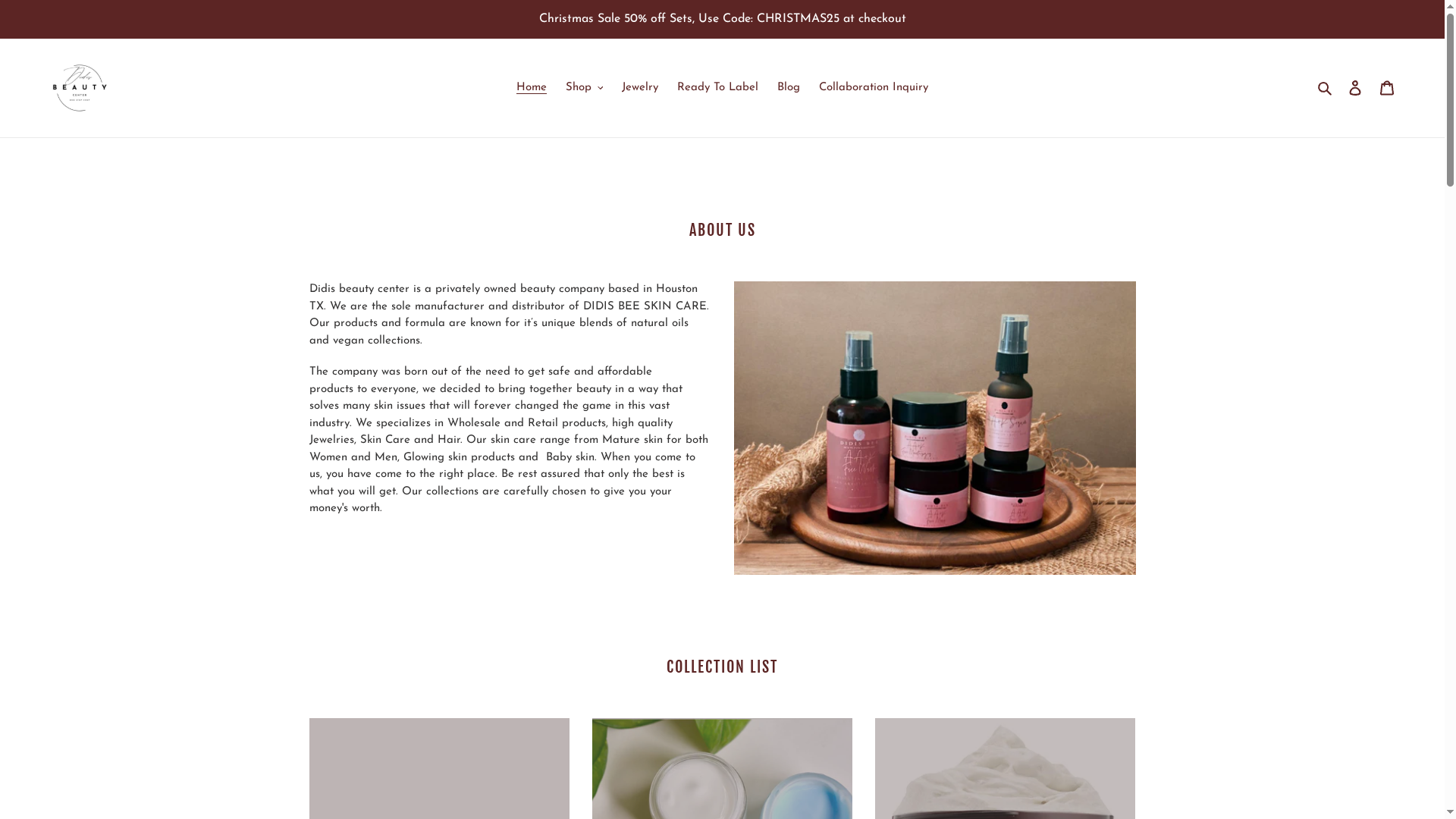
Take action today to build a skincare routine or beauty brand rooted in genuine ethical standards rather than greenwashing. Explore our Beauty example products that deliver quality and transparency. Visit Didis Beauty Center to start shopping or launching your own line with confidence. Act now to be part of the movement creating real positive change for your skin, communities, and the planet.
Frequently Asked Questions
What is ethical beauty?
Ethical beauty refers to skincare products made with transparency and responsibility, considering the environmental and social impacts of their ingredients and production processes.
Why should I choose cruelty-free skincare products?
Choosing cruelty-free products ensures that no animals are harmed during testing or ingredient sourcing, helping support animal welfare and ethical practices within the beauty industry.
What are the main pillars of ethical beauty?
The main pillars of ethical beauty are environmental responsibility, social fairness, and ingredient integrity. These pillars cover everything from sustainable sourcing to fair wages for workers and transparency about product contents.
How can I identify greenwashing in skincare brands?
Greenwashing can be spotted by vague marketing claims without specific details, lack of third-party certifications, and the presence of misleading or imitation certification logos. Look for brands that provide clear sourcing information and are transparent about their practices.
Recommended
- What Is Fair Trade Beauty and Why It Matters – Didis Beauty Center
- What Is Fair Trade Beauty and Why It Matters – Didis Beauty Center
- 7 Essential Eco-Friendly Beauty Tips for Natural Skincare – Didis Beauty Center
- 7 Essential Eco-Friendly Beauty Tips for Natural Skincare – Didis Beauty Center
- 7 Key Paraben-Free Haircare Advantages for Healthy Hair – LUXEVA
- Ethics in Medical Aesthetics – Why Safety Matters - The Aesthetics Room
Discourse (0)