


Nearly 60 percent of American adults under forty now factor ethical ingredients into their skincare choices. With consumers demanding more transparency from brands, the journey to effective natural and vegan routines goes deeper than just product labels. This guide dives into how understanding your skin type empowers you to choose the right products, build responsible habits, and even lay the foundation for your own cruelty-free beauty brand.
Table of Contents
- 1. Understanding Your Skin Type and Its Needs
- 2. Gentle Cleansing with Natural Face Soaps
- 3. Hydration and Moisturizing with Vegan Products
- 4. Brightening Your Skin with Safe, Plant-Based Ingredients
- 5. Balancing Tone with Alcohol-Free Toners
- 6. Incorporating Eco-Friendly Accessories
- 7. Creating Your Own Cruelty-Free Skincare Brand
Quick Summary
| Key Message | Explanation |
|---|---|
| 1. Identify Your Skin Type | Recognize your unique skin type for tailored skincare. Understanding if your skin is normal, dry, oily, combination, or sensitive is critical for effective care. |
| 2. Choose Natural Cleansers | Use plant-based face soaps for gentle cleansing. Natural ingredients remove impurities without harsh chemicals, ensuring skin retains essential moisture and balance. |
| 3. Hydrate with Vegan Moisturizers | Opt for vegan products to nourish your skin deeply. Plant-based moisturizers provide hydration and protect the skin barrier without animal-derived ingredients. |
| 4. Apply Alcohol-Free Toners | Incorporate toners to balance skin after cleansing. Alcohol-free options restore pH balance while preparing the skin for further hydration and treatment. |
| 5. Use Eco-Friendly Accessories | Replace disposables with sustainable skincare tools. Eco-friendly accessories minimize waste and enhance your skincare routine, promoting both personal and environmental health. |
1. Understanding Your Skin Type and Its Needs
Your skin is far more than just an external covering. It’s a complex living organ that acts as your body’s first line of defense against environmental challenges. Understanding your specific skin type and condition is crucial for developing an effective skincare routine that promotes natural radiance and long-term health.
Skin types are not one size fits all. They range from normal to dry, oily, combination, and sensitive, each with unique characteristics and care requirements. Your skin’s behavior is influenced by factors like genetics, hormones, age, and environmental exposure. These elements determine how much oil your skin produces, its moisture retention capacity, and its sensitivity to different products and environmental conditions.
Identifying your skin type requires careful observation and sometimes professional assessment. Normal skin appears balanced, with minimal shine and few imperfections. Dry skin feels tight and may show flakiness or fine lines. Oily skin tends to look shiny, with visible pores and a tendency toward acne. Combination skin displays different characteristics in different areas, typically oily in the T-zone and dry on the cheeks. Sensitive skin reacts quickly to new products, often showing redness or irritation.
To determine your skin type, perform a simple at-home test. Cleanse your face thoroughly, then wait an hour without applying any products. Observe how your skin feels and looks: does it feel tight and rough? Shiny and greasy? Or relatively comfortable and balanced? This simple assessment can provide significant insights into your skin’s unique needs.
Pro tip: Keep a skincare journal to track how your skin responds to different products, environmental changes, and lifestyle factors, helping you understand its evolving needs more comprehensively.
2. Gentle Cleansing with Natural Face Soaps
Cleansing is the cornerstone of any effective skincare routine, serving as the critical first step in maintaining healthy radiant skin. Face washing techniques and natural ingredients play a pivotal role in preserving your skin’s delicate balance and natural protective barrier.
Natural face soaps offer a sophisticated approach to skin cleansing by utilizing plant-based ingredients that remove dirt and impurities without harsh chemical interactions. Unlike traditional soaps that can strip away essential oils, these gentle cleansers work harmoniously with your skin’s natural microbiome. The key is selecting products that effectively remove environmental pollutants and excess sebum while maintaining your skin’s moisture and pH balance.
When choosing a natural face soap, prioritize ingredients that align with your specific skin type. For sensitive skin, look for soothing components like chamomile, aloe vera, and calendula. Oily skin benefits from cleansers containing tea tree oil or green tea extract, which help regulate oil production without over drying. Dry skin requires hydrating ingredients such as glycerin, coconut oil, and shea butter that replenish moisture while cleansing.
Proper cleansing technique is just as important as product selection. Use lukewarm water to prevent moisture loss, and gently massage the soap in circular motions using your fingertips. Avoid aggressive scrubbing, which can damage your skin’s protective barrier and cause micro abrasions. Rinse thoroughly but gently, ensuring no soap residue remains that could potentially clog pores or cause irritation.
Pro tip: Always perform a patch test with new natural face soaps and introduce them gradually into your skincare routine to ensure compatibility with your unique skin chemistry.
3. Hydration and Moisturizing with Vegan Products
Hydration is the secret weapon for achieving radiant, healthy skin that glows from within. Vegan skincare products represent a powerful approach to nourishing your skin with pure plant-based ingredients that support both personal wellness and environmental sustainability.
Vegan moisturizers go beyond simple surface hydration by delivering deep nourishment through carefully selected botanical ingredients. Unlike traditional moisturizers that may contain animal derivatives, these plant-powered formulations leverage natural oils, extracts, and butters to replenish and protect your skin’s delicate moisture barrier. Ingredients like shea butter, aloe vera, jojoba oil, and coconut oil work synergistically to lock in moisture, soothe dry patches, and provide essential nutrients.
Understanding your skin’s unique hydration needs is crucial for selecting the right vegan moisturizer. Dry skin types benefit from richer formulations containing ingredients like avocado oil and cocoa butter that provide intense moisture. Oily and combination skin types should seek lightweight serums and gel-based moisturizers that hydrate without clogging pores, utilizing ingredients such as hyaluronic acid and green tea extract.
Application technique matters as much as product selection. Apply moisturizer to slightly damp skin to help seal in hydration, using gentle upward motions that support skin elasticity. For maximum absorption, consider layering lighter hydrating serums underneath your primary moisturizer, creating a comprehensive hydration strategy that addresses multiple skin needs simultaneously.
Pro tip: Rotate your moisturizers seasonally to match your skin’s changing hydration requirements, using lighter formulations in humid summers and richer creams during dry winter months.
4. Brightening Your Skin with Safe, Plant-Based Ingredients
Achieving a natural radiant glow requires more than superficial treatments. Safe plant-based brightening ingredients offer a powerful approach to transforming your skin’s appearance by targeting uneven skin tone and diminishing dark spots through gentle yet effective botanical compounds.
Natural brightening ingredients work by strategically interrupting melanin production and promoting cellular renewal. Powerhouse components like vitamin C, niacinamide, and botanical extracts such as licorice root and kojic acid help reduce hyperpigmentation without harsh chemical interventions. These plant-derived actives not only illuminate your complexion but also provide antioxidant protection against environmental stressors that can contribute to skin discoloration.
Effective brightening requires a holistic approach that combines targeted ingredients with consistent application. Look for serums and treatments containing concentrated natural extracts like papaya enzyme, mulberry extract, and bearberry. These ingredients work synergistically to gently exfoliate dead skin cells, inhibit melanin overproduction, and reveal a more even luminous complexion. Apply these products in the evening after cleansing, allowing their active compounds to work overnight when skin cell regeneration is most active.
Understanding your skin’s unique characteristics is crucial when selecting brightening products. Sensitive skin types should start with lower concentrations and perform patch tests, while those with more resilient skin can gradually increase potency. Complement your brightening routine with daily sun protection, as UV exposure can counteract your skin’s renewal efforts and potentially create additional pigmentation.
Pro tip: Rotate your brightening products seasonally and always pair them with a broad spectrum sunscreen to maximize results and prevent new hyperpigmentation.
5. Balancing Tone with Alcohol-Free Toners
Toners are the unsung heroes of skincare, serving as a critical bridge between cleansing and moisturizing that helps restore your skin’s delicate pH balance. Understanding the role of toners reveals their profound impact on maintaining a healthy, radiant complexion.
Traditional toners often contain harsh alcohols that strip away natural oils, causing more harm than good. Alcohol-free toners represent a revolutionary approach, using gentle botanical extracts and hydrating ingredients to prep your skin for subsequent skincare steps. These advanced formulations work to remove residual impurities, tighten pores, and create an optimal environment for absorption of serums and moisturizers.
Selecting the right alcohol-free toner requires understanding your specific skin needs. For sensitive skin, look for calming ingredients like chamomile and aloe vera. Oily skin benefits from toners containing witch hazel and green tea extract, which help control excess sebum without over drying. Dry and combination skin types should seek hydrating ingredients such as hyaluronic acid and rose water that balance and nourish the skin.
Application technique is equally important as product selection. After cleansing, apply toner using clean hands or a soft cotton pad, gently patting or sweeping across your face and neck. Allow the toner to absorb completely before applying serums or moisturizers. This method ensures maximum ingredient penetration and creates a smooth, receptive canvas for your subsequent skincare products.
Pro tip: Store your alcohol-free toner in the refrigerator for a refreshing cooling effect that can help reduce morning puffiness and provide an invigorating start to your skincare routine.
6. Incorporating Eco-Friendly Accessories
Eco-friendly skincare extends far beyond product formulations. Sustainable product design represents a holistic approach to reducing environmental impact through thoughtful accessory choices that support both personal care and planetary health.
Contemporary eco-friendly skincare accessories focus on minimizing waste and promoting circular economy principles. Reusable options like organic cotton rounds, bamboo makeup removal pads, and biodegradable facial sponges replace single use disposable products. These accessories not only reduce environmental strain but also provide more gentle and effective skincare experiences compared to traditional alternatives.
Materials matter when selecting eco-friendly skincare tools. Seek accessories crafted from sustainable materials such as bamboo, organic cotton, recycled silicone, and natural fibers. Look for products certified by recognized environmental standards that demonstrate responsible manufacturing processes. Consider tools like jade rollers made from responsibly sourced materials, konjac sponges that biodegrade naturally, and facial cloths produced through ethical manufacturing practices.
Implementing eco-friendly accessories requires strategic thinking. Start by gradually replacing disposable items in your skincare routine. Invest in high quality reusable tools that can be cleaned and maintained properly. Consider the lifecycle of each accessory from production to disposal, prioritizing items that minimize environmental impact while delivering exceptional performance.
Pro tip: Create a dedicated cleaning routine for your eco-friendly accessories using natural disinfectants like white vinegar or tea tree oil to maintain hygiene without introducing harsh chemicals.
7. Creating Your Own Cruelty-Free Skincare Brand
Launching a cruelty-free skincare brand represents more than a business venture it is a commitment to ethical beauty and environmental responsibility. Inspiring cruelty-free brand examples demonstrate how passionate entrepreneurs can transform the beauty industry through conscious product development.
Successful cruelty-free skincare brands are built on foundational principles of transparency, sustainability, and genuine commitment to animal welfare. This means meticulously selecting ingredients that are not tested on animals, sourcing from suppliers with verified ethical practices, and obtaining recognized cruelty-free certifications such as those from PETA or Leaping Bunny. Your brand narrative should authentically communicate these values to consumers who increasingly prioritize ethical consumption.
Developing your product line requires comprehensive research and strategic planning. Begin by identifying your niche market segment whether that is sensitive skin solutions, anti aging formulations, or targeted treatments for specific concerns. Collaborate with chemists and formulators who specialize in natural and vegan ingredients to create unique product compositions that deliver exceptional results. Consider developing a signature line with 3 to 5 core products that showcase your brand philosophy and demonstrate your commitment to quality.
Branding extends beyond product formulation. Design packaging that reflects your commitment to sustainability using recyclable materials, minimalist design, and clear labeling that highlights your cruelty-free certification. Develop a compelling brand story that resonates with environmentally conscious consumers who want to make responsible purchasing decisions that align with their personal values.
Pro tip: Network with other cruelty-free brand founders and participate in sustainable beauty forums to gain insights, share experiences, and build collaborative relationships within the ethical beauty ecosystem.
Below is a comprehensive table summarizing the main points, steps, and considerations discussed throughout the article on effective skincare techniques and principles.
| Aspect | Details | Key Considerations |
|---|---|---|
| Understanding Skin Type | Identifying whether your skin is normal, dry, oily, combination, or sensitive through observation and tests. | Tailor skincare products and routines to your unique skin type. |
| Gentle Cleansing | Use natural face soaps formulated for your skin type to cleanse without disrupting its natural balance. | Ingredients such as tea tree oil for oily skin, aloe vera for sensitive skin, and glycerin for dry skin are optimal. |
| Vegan Hydration | Hydrate using vegan products with natural botanical ingredients like shea butter, avocado oil, or green tea extract. | Match product density and features to seasonal needs (light for summer, rich for winter). |
| Skin Brightening | Incorporate products with natural brighteners like vitamin C and licorice root to even skin tone. | Combine with sunscreen to protect against UV-induced pigmentation. |
| Alcohol-Free Toners | Apply toners with hydrating ingredients to balance skin pH post-cleansing. | Store in a cool place for additional refreshing benefits. |
| Eco-Friendly Accessories | Utilize reusable tools like bamboo pads and facial sponges to reduce waste. | Ensure proper maintenance and hygiene of tools to prolong their usability and effectiveness. |
| Cruelty-Free Brand Development | Focus on sustainable, non-animal tested products with clear certifications. | Start with a targeted product line and expand based on customer feedback and market trends. |
This table encapsulates the essence of tailoring a personalized skincare routine while maintaining ethical and sustainable practices.
Elevate Your Skincare Routine with Natural, Vegan Solutions
Achieving a lasting natural glow means addressing the unique needs of your skin with gentle, effective products that support hydration, brightening, and balance. If you are looking to enhance your cleansing, moisturizing, and toning steps with safe, plant-based ingredients you’ll find exactly what you need in our curated Skin Care Collection - Face, Body, Oils . Embrace cruelty-free and eco-friendly skincare that nurtures your skin without compromise.
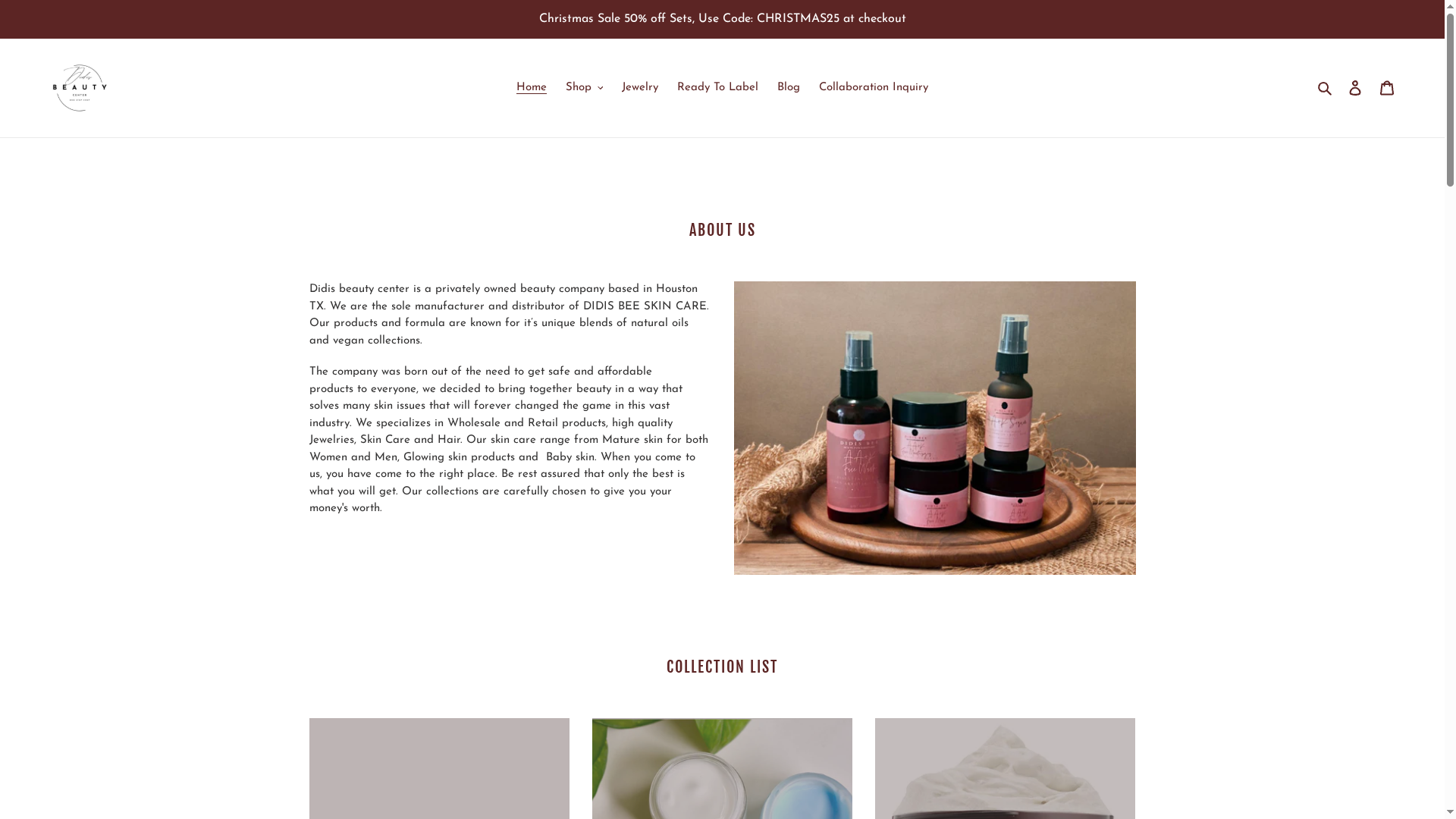
Start your journey towards radiant skin today with our Cream Collection - Skincare & Moisturizers for Face & Beard and discover nourishing options designed to lock in moisture and revitalize your complexion. Explore natural oils from our Oils Collection: Skincare Oils for Face & Body to complement your routine with botanical nourishment. Act now to transform your skincare ritual with products trusted by customers for their safety and effectiveness. Visit Didis Beauty Center to find your perfect fit and glow naturally all year round.
Frequently Asked Questions
How can I determine my skin type?
To determine your skin type, cleanse your face thoroughly and wait an hour without applying any products. Observe how your skin feels and looks; does it feel tight and rough, shiny and greasy, or comfortably balanced?
What natural ingredients should I look for in a face soap?
When selecting a natural face soap, prioritize ingredients that match your skin type. For example, choose aloe vera for sensitive skin, tea tree oil for oily skin, and glycerin for dry skin to ensure effective cleansing without irritation.
How can I maximize the hydration from my vegan moisturizer?
To maximize hydration from a vegan moisturizer, apply it to slightly damp skin using gentle upward motions. This method helps to lock in moisture and enhances absorption, promoting a healthier, more radiant complexion.
What are the best practices for using brightening products?
For effective use of brightening products, apply them in the evening after cleansing to allow the active ingredients to work overnight. Ensure to layer them under a broad-spectrum sunscreen during the day to prevent new pigmentation from forming.
Why should I use alcohol-free toners in my skincare routine?
Alcohol-free toners help restore your skin’s pH balance and remove any residual impurities without stripping natural oils. Incorporate an alcohol-free toner after cleansing to prepare your skin for better absorption of serums and moisturizers!
How can I start integrating eco-friendly accessories into my skincare routine?
Start integrating eco-friendly accessories by gradually replacing disposable items in your skincare routine with reusable options like organic cotton rounds or bamboo makeup pads. This simple switch can significantly reduce waste while enhancing your skincare experience.
Discourse (0)